Top 10 Common Handyman Jobs in Dubai Villas & Apartments

Post Details
Key Takeaways
- TV wall mounting and curtain rod installation are consistently among the most booked handyman jobs across Dubai apartments and villas
- Dubai's concrete and gypsum walls require specific tools and anchor types that most residents don't own, making professional installation the practical choice for most drilling jobs
- Minor plumbing tasks like dripping taps and running toilets are extremely common and get worse if left unattended, especially with Dubai's hard water accelerating wear on fittings
- Furniture assembly, particularly for IKEA and flat-pack pieces, is frequently underestimated in time and complexity by residents attempting it alone
- Batching multiple jobs into a single handyman visit is far more cost-effective than booking separate visits for each task
- Many of these jobs appear on the same list after a move-in, making a combined handyman booking one of the first practical decisions in a new Dubai home
- Silicone and grouting replacement is one of the most overlooked maintenance jobs, yet it directly affects moisture damage and bathroom longevity
If you've lived in Dubai for more than a few months, you've almost certainly had at least one of these jobs on your to-do list. Maybe it's been there for weeks. Maybe the TV is still sitting on its stand because you haven't figured out the wall situation yet, or the curtain rods are up but tilted in a way that quietly bothers you every morning.
Sound familiar?
Here are the ten handyman jobs we handle most frequently across Dubai apartments, villas, and offices, along with what makes each one worth doing properly.
1. TV Wall Mounting
This is consistently one of the most requested jobs we handle. And in Dubai, it's more complicated than it looks on YouTube tutorials shot in apartments with drywall.
Most Dubai properties have reinforced concrete external walls and gypsum board internal partitions. Mounting a TV on concrete requires a hammer drill with masonry bits and the correct anchor type for the bracket weight. On gypsum, you need hollow-wall anchors or stud-located fixings. Using the wrong approach on either wall type leads to brackets that appear secure initially but shift over time, particularly with heavier full-motion brackets.
Cable management is part of the same job. Cables routed cleanly inside the wall or along trunking is what separates a professionally finished installation from one that still has wires dangling after it's done.
2. Curtain Rod and Blind Installation
Another move-in staple, and one that creates surprising frustration when attempted without the right tools.
Curtain rods need to be positioned at a consistent height across the full window width, with brackets that are genuinely level rather than close enough. In Dubai's concrete walls, brackets installed with the wrong anchor type will work loose over months of daily use. In older buildings with plaster surfaces, drilling at the wrong speed or without the correct bit can crack the surrounding finish.
Getting this done across multiple rooms in one booking is where the time saving really shows. A handyman working through a villa can install curtain rods room by room in a fraction of the time it would take a resident to do one set.
3. Furniture Assembly
Flat-pack furniture is everywhere in Dubai. IKEA is the obvious name, but Home Centre, JYSK, Pan Emirates, and online platforms like Noon and Amazon deliver plenty of flat-pack pieces that require full assembly before they're usable.
The assembly time estimates on the packaging are almost always optimistic. A PAX wardrobe that the instructions suggest takes one person around two hours often takes a first-timer four or five, especially once you account for sorting hardware, navigating the instruction diagrams, and dealing with a panel that went in the wrong way thirty minutes ago.
Tall furniture, wardrobes in particular, also needs to be anchored to the wall after assembly to prevent tip-over. IKEA's own safety guidance is explicit on this. Doing that anchoring correctly requires the right drill and anchor for your wall type, which brings it back into handyman territory.
4. Picture, Mirror and Wall Art Hanging
Every home has items waiting to go up. And every Dubai apartment has walls that don't respond well to a standard hammer and nail.
Weight determines everything here. A lightweight framed print on an adhesive strip is fine. A large bathroom mirror or a heavy canvas needs proper masonry anchors in concrete, or stud-located fixings in gypsum. Getting two fixing points level at the exact same height, across a wider piece, is where a spirit level and some experience make a visible difference.
Bathroom mirrors are a separate category. Drilling into tiled walls requires specialist tile bits and the drill running without the hammer function to avoid cracking the tile, and then switching to the appropriate fixing for whatever is behind the tile. A single cracked tile in a Dubai rental bathroom is worth avoiding.
5. Shelf and Wall Cupboard Installation
Shelves that actually hold weight, stay level, and don't pull out of the wall six months later require the right anchor for the wall material and a correctly distributed load across the fixing points.
This is another job where the Dubai concrete wall factor creates complications. Floating shelves on concrete walls need masonry anchors drilled to the right depth with the right bit. Get the anchor diameter wrong relative to the drill bit and the plug doesn't grip. Get the drill depth wrong and there's not enough material to hold.
For kitchen and bathroom shelving where load matters, and for children's rooms where shelves are sometimes climbed on, the fixing quality is a practical safety consideration, not just aesthetics.
6. Door Handle and Lock Repairs
In most Dubai apartments and villas, door hardware gets worn faster than residents expect. Internal door handles loosen. Locks become stiff or stop latching cleanly. Hinges develop squeaks or start causing doors to hang at an angle.
None of these are serious jobs individually, but they're annoying to live with, and some, like a door that doesn't latch, become a security or privacy concern depending on which door it is. A handyman working through a home can adjust hinges, tighten handles, lubricate locks, and fix misaligned latches across multiple doors in an hour or two.
7. Minor Plumbing Repairs
Dripping taps. Running toilets. Shower heads that need replacing. Sink drains that move slower than they should.
These are the most common household plumbing complaints across Dubai properties, and they have a habit of getting quietly worse rather than sorting themselves out. Dubai's water supply is notably hard, which means mineral scale builds up in taps, shower heads, and pipe fittings faster than in many other countries. A tap that drips slightly becomes one that drips steadily. A shower head that's partially blocked eventually stops working properly.
Most of these fixes are within handyman plumber scope and don't require the kind of intervention that full plumbing specialists handle. But they do require knowing how to isolate the water supply, which fittings to use for a clean seal, and how to deal with scale-locked components without breaking them.
8. Ceiling Fan and Light Fixture Installation
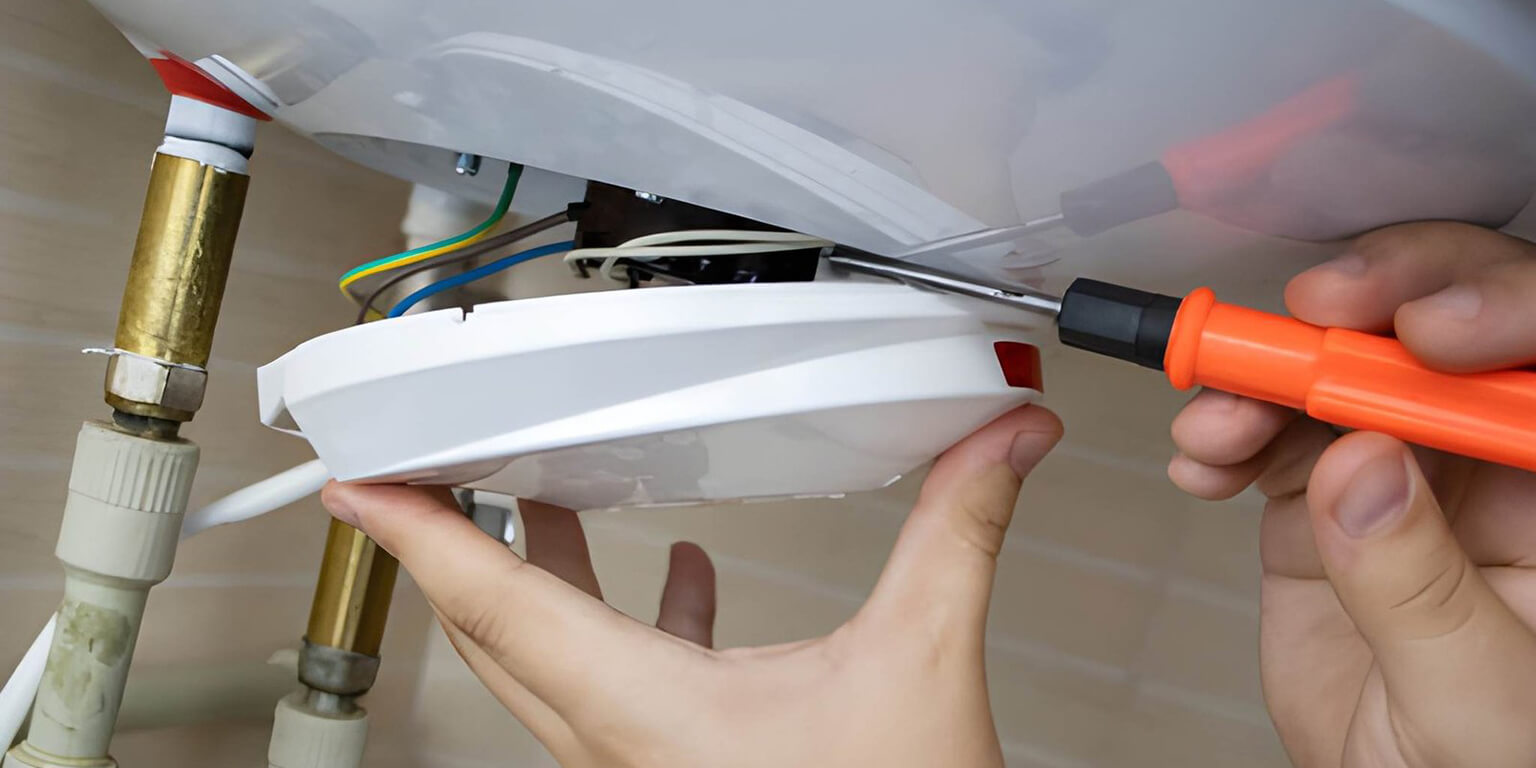
Ceiling fans are popular across Dubai villas particularly, where rooms are larger and the airflow benefit is more noticeable. Installing one involves both electrical connections and a load-bearing overhead installation, which is exactly the combination that makes it unsuitable as a casual DIY job.
The electrical connection needs to be done correctly and safely. The mounting bracket needs to be fixed to a structural point in the ceiling, not just the plaster, and the fan itself needs to be balanced after installation to run without vibration or noise. A ceiling fan that wobbles is a sign of either an unbalanced installation or fixings that aren't properly anchored, and discovering that with a ceiling fan running overhead is not ideal.
Light fixture replacement, socket repairs, and switch replacements are the other electrical jobs we handle regularly through our handyman services in Dubai. These are jobs that sit between basic DIY and specialist electrical contractor work.
9. Grouting and Silicone Replacement
This is one of the most frequently overlooked maintenance jobs in Dubai homes, and it has a direct impact on moisture damage over time.
Silicone seals around baths, shower trays, and sinks degrade with use and Dubai's humidity and temperature fluctuations. When the seal develops gaps or lifts away from the surface, water gets behind it. Behind bathroom tiles and inside wall cavities, that moisture does slow damage to the structure that only becomes obvious once it's become a more serious repair.
Regrouting and resealing is a detail job that takes patience and technique to finish cleanly. The old silicone needs to be fully removed, the surface prepared, and the new bead applied in a single smooth pass and tooled before it skins. Done well it looks clean and professional. Done quickly it looks worse than the old seal.
10. Appliance Connections and Installation
Connecting a washing machine, dishwasher, or built-in oven in a new home or after a move involves more variables than most people expect.
Water inlets need to be correctly connected and checked for seal. Drainage needs to route properly to the waste point. Built-in ovens need both electrical connection and secure fitting into the cabinet unit. Getting any of these wrong creates problems that range from a slow leak under the kitchen unit to an appliance that doesn't function correctly.
This is a particularly common job after move-ins, when residents are setting up a new property for the first time and dealing with all of these connections simultaneously alongside everything else on the setup list.
The Case for Batching Jobs in One Visit
Most of these ten jobs appear together. A typical move-in booking might include TV mounting, curtain rods across four rooms, wardrobe assembly, and bathroom mirror installation. A typical maintenance visit might cover a dripping tap, some silicone resealing, a door handle that's been loose for months, and a ceiling fan that needs balancing.
Booking a professional handyman in Dubai who can handle all of these in a single visit is what makes the economics work. Separate visits for each job, each with a call-out cost and minimum time charge, adds up significantly compared to one well-planned booking that runs through the full list.
As a registered home maintenance company in Dubai with over 20 years of experience across villas, apartments, and commercial properties, GeeM's handymen arrive with all the tools needed for every wall type and every job on the list. Same-day bookings are available across all major Dubai communities.
For property owners who want all of this handled on a regular basis rather than booking reactively, our annual maintenance contracts cover scheduled and reactive maintenance throughout the year under a single agreement, which tends to work out significantly more cost-effective than individual bookings for each job as it comes up.
Book Your Handyman Visit Today
Get Every Job on Your List Done in One Visit
Whether it's two tasks or twelve, our team arrives equipped and ready to work through your complete list across any Dubai property.
Contact GeeM today to book your handyman visit or get a quote. Call toll-free on 800 4336 or message us on WhatsApp. Same-day bookings are available across Dubai.
Frequently Asked Questions
.svg)
Across Dubai apartments and villas, the most frequently booked handyman jobs are TV wall mounting, curtain rod and blind installation, furniture assembly, picture and mirror hanging, shelf installation, door handle and lock repairs, minor plumbing fixes, ceiling fan and light fixture installation, grouting and silicone replacement, and appliance connections. Most of these jobs are commonly requested together, particularly after a move-in.
Yes, within the scope of everyday maintenance tasks. A handyman can handle minor plumbing jobs like replacing taps, fixing running toilets, installing shower heads, and clearing blocked drains. For electrical work, handymen handle fixture replacement, ceiling fan installation, socket and switch repairs, and appliance connections. More complex work involving circuit modifications or structural plumbing changes requires specialist trades operating under the appropriate licensed scope.
It depends on the number and type of jobs. A single task like TV mounting typically takes under an hour. A full move-in list covering furniture assembly, curtain rods, TV mounting, and picture hanging across multiple rooms can take a half-day or full day. Providing a complete job list when you book allows the handyman to allocate enough time and arrive with everything needed.
Dubai's residential buildings predominantly use reinforced concrete for external and main structural walls, with gypsum board used for internal partitions in many apartments. Concrete requires a hammer drill with masonry bits and specific anchor types. Gypsum requires hollow-wall anchors or stud-located fixings. Using the wrong method on either wall type results in fixings that fail over time, sometimes taking chunks of wall with them. Knowing your wall type before any drilling job is a practical first step.
Yes, in most cases. Booking a handyman to handle a full list in one visit is more cost-effective than separate bookings for each task. Many providers apply a minimum charge per visit, so combining five jobs in one two-hour booking is considerably cheaper than five individual visits. Providing your complete list when you book also means the handyman arrives with the right tools and materials for everything, rather than making return visits for items that weren't covered.
Have all items to be assembled or installed in the room where they'll be used, along with any assembly instructions or packaging for furniture. If you know your wall type, mention it when booking. For plumbing jobs, locate the nearest water isolation valve in advance if you can. For a combined visit, a written list of all jobs ensures nothing gets missed and helps the handyman estimate the time accurately.
Reputable handyman companies clean up after completing their work as a standard part of the service. For furniture assembly, this includes removing all packaging. For drilling jobs, dust and debris from the wall should be cleared. Confirming this before booking is a reasonable question to ask, since practice varies by provider.
Table of content
- Extreme Heat and Overworking
- Poor Maintenance and Dirty Filters
- Incorrect Sizing of AC Units
- Low Refrigerant Levels
Recent Posts

Download our App







© 2026 GeeM.
.svg)