Moving Out in Dubai? Handyman Fixes Before Handover
Post Details
Key Takeaways
- Under Dubai tenancy law, tenants must return the property in the same condition as when it was received, except for normal wear and tear, and damage beyond that can result in deposit deductions
- Drill holes that haven't been properly filled and painted are one of the most common reasons landlords deduct from security deposits in Dubai
- A professional handyman can handle most pre-handover repairs in a single visit, covering wall patching, painting touch-ups, silicone replacement, door adjustments, and minor fixture fixes
- Attempting DIY repairs before handover often produces worse results than the original damage, particularly for wall filling and paint matching
- Timing matters: booking a handyman visit at least one to two weeks before handover gives time to address any issues the landlord raises during the inspection
- Photographing the property after repairs and before handing over the keys creates a documented record that protects you if disputes arise later
- Security deposits in Dubai are typically five percent of annual rent for unfurnished properties, making the financial case for professional repairs straightforward
Moving out of a Dubai property is stressful enough without the added anxiety of watching your security deposit disappear during the handover inspection. And yet, every year, thousands of residents hand over their keys with walls full of drill holes, mismatched paint touch-ups, a bathroom mirror that's still mounted, and a silicone seal around the bath that gave up sometime in year two.
Most of these issues are fixable. A professional handyman can handle the majority of pre-handover repairs in a single well-planned visit, and the cost almost always works out far less than the deposit deductions they prevent.
Here's what to get sorted before your landlord walks through the door.
What Dubai Tenancy Law Actually Says
Before getting into specifics, it's worth understanding the legal context.
Under Dubai Law No. 26 of 2007 and its amendment Law No. 33 of 2008, tenants are required to return the property in the same condition as when it was received, accounting for normal wear and tear from regular use. Damage that goes beyond what's considered normal deterioration, whether from poor maintenance, modifications, or accidental damage, can legitimately be deducted from the security deposit.
Normal wear and tear generally covers things like minor scuffs on walls from furniture, slightly faded paint over several years of occupancy, and small surface scratches on flooring. It does not cover large unfilled drill holes, broken fixtures that were left unrepaired, significant wall damage, or modifications made without landlord approval.
Knowing that distinction matters when you're deciding what to fix and what to leave.
Drill Holes and Wall Damage
This is the single biggest source of deposit disputes in Dubai properties. Every picture frame, shelf, curtain rod, TV bracket, and mirror that went up during your tenancy left holes in the wall, and those holes don't disappear on their own.
Filling drill holes properly in Dubai is more involved than many residents expect. Most Dubai apartment walls are reinforced concrete, which doesn't fill the same way drywall does. Using the wrong filler compound, applying it too quickly, or not sanding correctly before painting leaves visible marks that landlords notice immediately. A patch that's a slightly different shade or texture from the surrounding wall is almost as visible as the original hole.
A professional handyman fills each hole with the correct compound for the wall material, sands it flush, and applies a touch-up coat that matches the existing paint as closely as possible. For properties with multiple rooms full of wall hangings, this can be a half-day job on its own.
And if you've had any larger damage to walls, whether from furniture impact, a bracket that was removed badly, or surface cracking around fixings, that needs professional attention before handover.
Removing Mounted Items and Making Good
Curtain rods, TV brackets, shelf brackets, bathroom mirrors, and other wall-mounted fixtures need to come down before handover, and the wall behind them needs to be made good.
The brackets themselves are usually straightforward to remove. What takes more time and skill is what comes next: filling the larger holes that bracket fixings leave, addressing any paint lifting or surface damage around the anchor points, and getting the wall back to a condition that doesn't immediately signal to the landlord that something was there.
TV wall brackets in particular can leave several large anchor holes in concrete walls, especially if a full-motion bracket was used. Getting those filled and matched properly is worth professional attention.
Paint Touch-Ups and Minor Repainting
Paint matching is harder than it looks, and Dubai apartments almost always have painted concrete walls rather than the wallpapered or papered surfaces common in some other countries.
If you've had the same paint on the walls since you moved in, the existing colour has likely aged slightly. Buying a new tin of white paint and dabbing it onto a repaired hole will produce a visible patch because new paint on an aged surface rarely disappears. A professional painter or handyman with experience in colour matching and feathering techniques gets a far better result than a resident attempting it the afternoon before handover.
Our painting services in Dubai cover both full repaints and touch-up work, and for pre-handover situations where specific walls or areas need attention, we can advise on the most cost-effective approach before any paint is applied.
Bathroom Silicone and Grouting
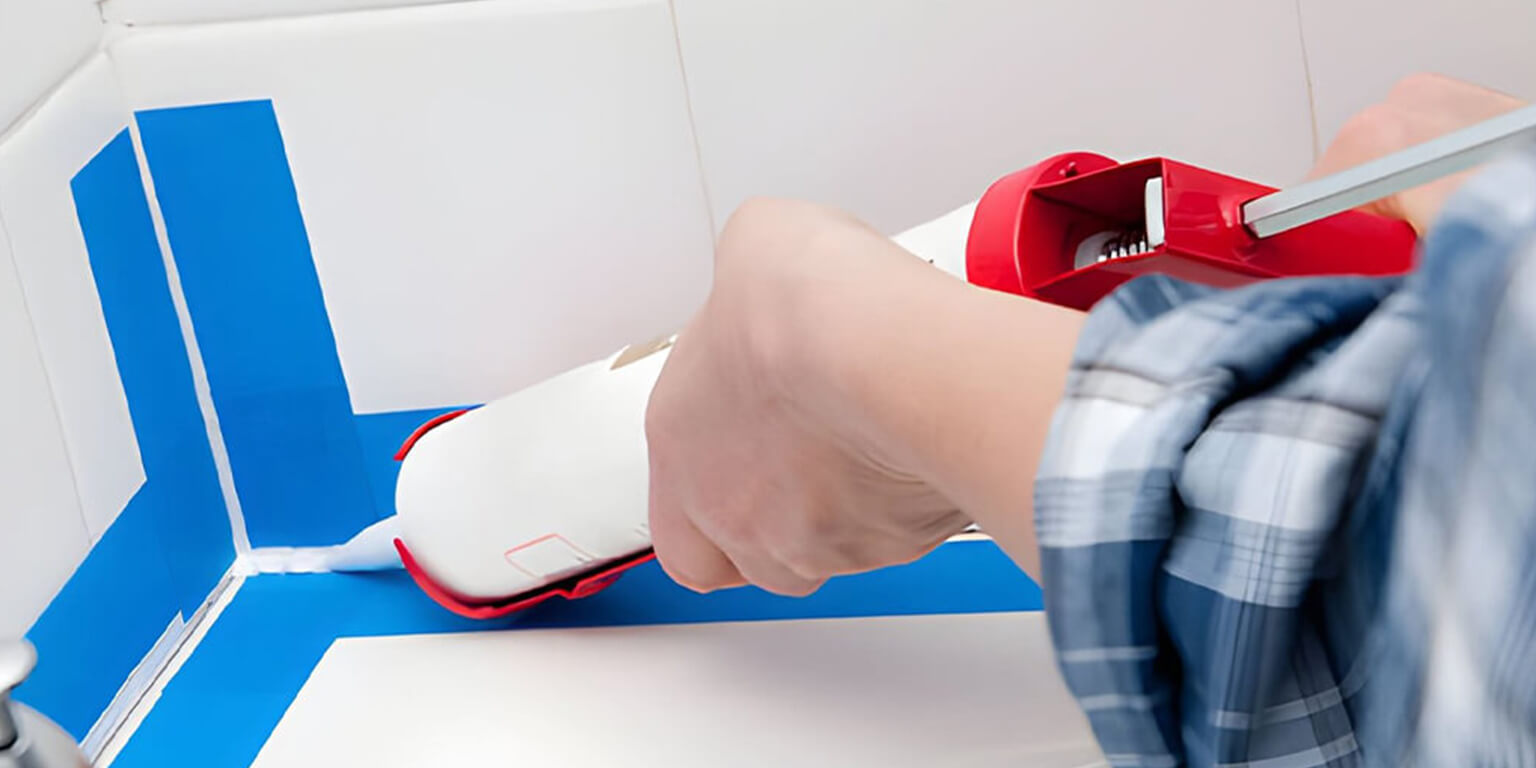
Bathroom silicone around the bath, shower tray, and sink doesn't last indefinitely. Over a tenancy of two or three years, it commonly discolours, develops small gaps, or pulls away from the surface in places.
A landlord walking into a bathroom with failing silicone seals sees a maintenance problem and has legitimate grounds to deduct the cost of resealing from the deposit. Getting it resealed before handover costs considerably less than what a landlord will charge for the same work.
The same applies to grout that has discoloured significantly or developed visible gaps between tiles. Not every grout situation needs full regrout work, but areas where grout has crumbled or developed large gaps should be addressed. A handyman can assess the condition and advise on what's genuinely needed versus what's likely to pass inspection as normal ageing.
Door and Cabinet Repairs
Doors that don't close cleanly, handles that have worked loose, cabinet hinges that have dropped, and drawers that bind or don't close flush are all common after a few years of regular use.
Whether these count as normal wear and tear or tenant-responsible damage depends on the specific situation and the tenancy agreement, but in general, a door that won't latch at all or a handle that's come off is likely to result in a comment during inspection. These are quick fixes for a handyman and worth including in the pre-handover visit.
Wardrobe and fitted cabinet door alignment is another common issue. Doors that have dropped slightly on their hinges can usually be adjusted back to correct alignment without replacing anything.
Light Fixtures and Electrical Points
Burnt-out bulbs are a small thing that inspectors notice. Replacing all bulbs throughout the property before handover takes about ten minutes and prevents an unnecessary negative note in the inspection report.
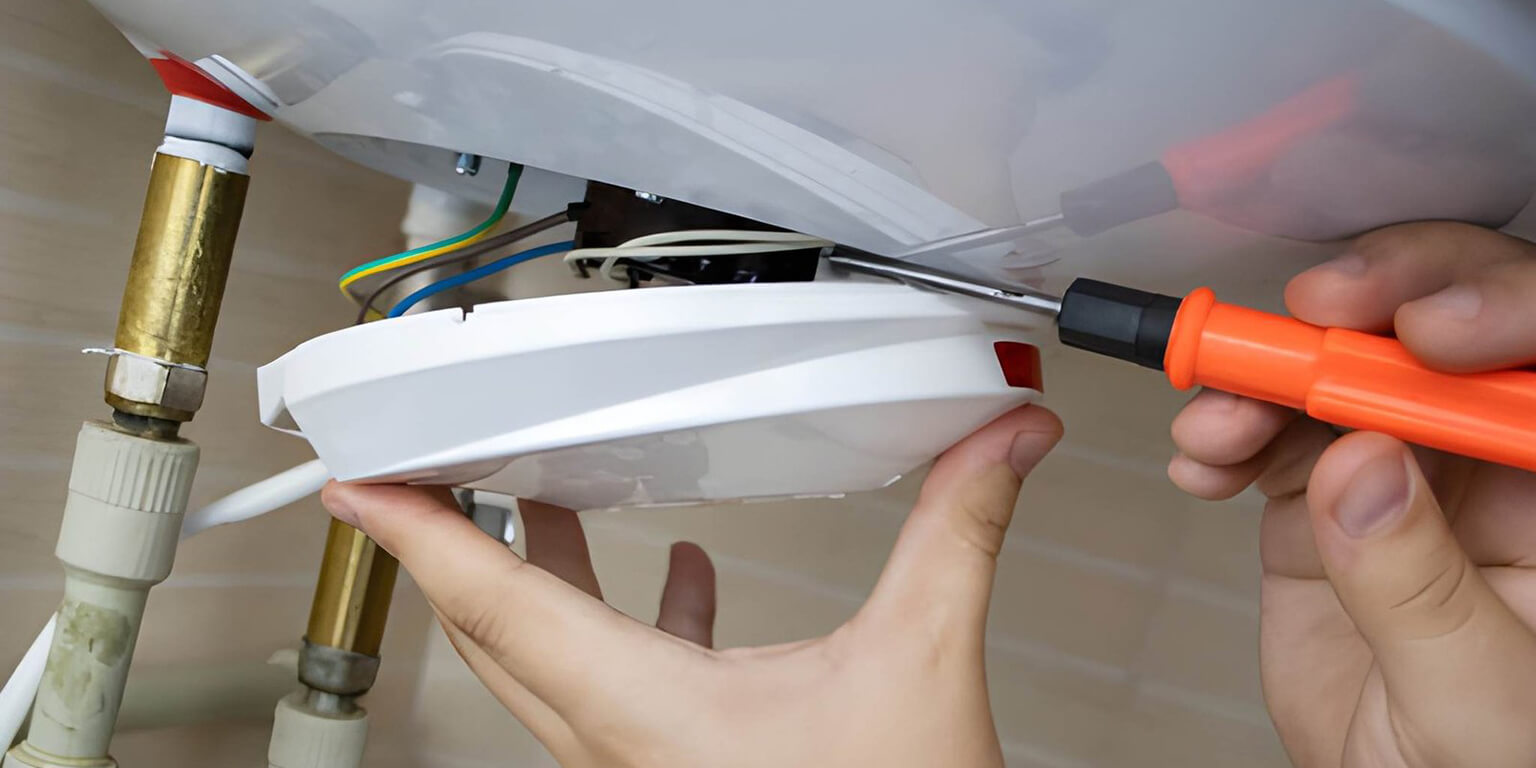
Beyond bulbs, check every light switch and socket. Any that don't work properly, feel loose in their fittings, or have visible damage should be flagged. Our handyman electrician team handles fixture replacements and socket repairs as part of the same pre-handover visit.
Smoke alarms also fall into this category. If any alarm wasn't working at the end of the tenancy, replace the battery or the unit before handover rather than leaving it as a potential issue.
Minor Plumbing Issues
A dripping tap, a toilet that runs continuously, or a slow drain won't necessarily result in a major deduction, but they will appear in the handover inspection notes. Addressing them before that inspection keeps the report clean.
More significantly, if there's been any water leakage or moisture damage during the tenancy that wasn't reported and repaired at the time, that's a situation that needs professional assessment before handover. Water damage that became visible on a ceiling or wall and wasn't addressed is likely to attract deductions.
The Timing of Your Pre-Handover Repairs
Don't leave this to the last couple of days.
Book your pre-handover handyman visit at least ten to fourteen days before the scheduled handover inspection. This gives time for any filled and painted areas to fully dry and settle, allows you to assess the result in different lighting conditions, and gives you a buffer to address anything that needs a second look before the landlord arrives.
If your landlord or agent does a pre-inspection walk-through before the formal handover, that buffer becomes even more useful. Any items they flag can be addressed before the final inspection rather than becoming points of negotiation over the deposit.
As a registered property maintenance company in Dubai with over 20 years of experience across apartments, villas, and commercial properties, GeeM's team handles pre-handover visits regularly across all major Dubai communities. Our handymen arrive with all the materials needed for wall repairs, touch-up painting, silicone work, and fixture repairs, completing the full list in a single visit wherever possible.
For residents moving into a new property after this one, our move-in handyman services cover the full setup including TV mounting, curtain installation, furniture assembly, and all the jobs that make a new place feel like home.
Book Your Pre-Handover Handyman Visit
Get Your Property Ready for Inspection and Protect Your Deposit
Whether it's hole filling, paint touch-ups, silicone work, or a full pre-handover check, our team handles it in one visit across any Dubai property.
Contact GeeM today to book your pre-handover visit or get a quote. Call toll-free on 800 4336 or message us on WhatsApp. Same-day bookings are available across Dubai.
Frequently Asked Questions
.svg)
Under Dubai tenancy law, specifically Law No. 26 of 2007 as amended by Law No. 33 of 2008, tenants must return the property in the same condition as when received, except for normal wear and tear. Damage beyond normal ageing, including unfilled drill holes, broken fixtures, significant wall damage, and unrepaired leaks, can be deducted from the security deposit. Normal wear and tear, such as minor scuffs and slight paint fading over time, is generally not deductible.
Landlords can only deduct amounts proportionate to actual documented repair costs for damage beyond normal wear and tear. Deductions must be justified and itemised. If you believe deductions are unreasonable, you can raise a dispute with RERA's Rental Disputes Settlement Centre, which handles landlord-tenant disputes in Dubai. Keeping photographs of the property's condition before and after your tenancy provides documentation if disputes arise.
Yes. Filling drill holes and applying paint touch-ups are standard pre-handover handyman services in Dubai. The quality of the result depends on using the right filler for the wall material, correct preparation, and proper paint-matching technique. Professional handymen get consistently better results than DIY attempts, particularly for concrete walls where the wrong filler or a rushed application leaves visible marks.
Booking at least ten to fourteen days before the scheduled handover inspection is generally advisable. Filled and painted areas need time to dry fully and settle before being viewed in different lighting conditions. The buffer also allows you to address any items flagged during a pre-inspection walk-through without rushing work that affects the final result.
In most cases, yes. Unless specifically agreed with the landlord that mounted items can remain, wall-mounted fixtures including curtain rods, TV brackets, shelf brackets, and mirrors should be removed and the wall made good before handover. This includes filling the holes left by bracket fixings and touching up the paint around the repair areas.
Check the silicone seals around the bath, shower tray, and basin. Any seals that are discoloured, cracked, or pulling away from the surface should be replaced before inspection. Grout that has crumbled or developed significant gaps between tiles is also worth addressing. These are relatively quick and affordable repairs that can prevent more substantial deductions if left for the landlord to arrange.
In most cases, yes. A well-planned pre-handover visit covering hole filling, paint touch-ups, silicone replacement, fixture repairs, and door adjustments can be completed in a half-day or full-day visit depending on the property size and the number of items requiring attention. Providing a full list of everything that needs attention when you book allows the handyman to allocate the right time and arrive with all the necessary materials.
Table of content
- Extreme Heat and Overworking
- Poor Maintenance and Dirty Filters
- Incorrect Sizing of AC Units
- Low Refrigerant Levels
Recent Posts

Download our App







© 2026 GeeM.
.svg)