10 Handyman Jobs You Should Never DIY in Dubai

Post Details
Key Takeaways
- Electrical work in Dubai must comply with DEWA regulations, and unlicensed DIY wiring can result in fines, failed inspections, or serious safety hazards
- Several common home jobs that look straightforward carry real risks when done without the right training, tools, or knowledge of local building standards
- Dubai's concrete walls, extreme heat, and hard water create conditions that make certain tasks far more complex than they appear
- A professional handyman can complete multiple jobs in one visit, which is almost always faster and cheaper than repeat DIY attempts
- Some DIY mistakes, particularly in plumbing and electrical work, can void your home insurance or create liability issues during property handover
- Knowing which jobs to hand over saves time, money, and stress in the long run
There's a certain satisfaction in fixing something yourself. We get it. But living in Dubai, where concrete walls are the norm, temperatures regularly exceed 45°C, and building standards are tightly regulated, some jobs are simply better left to someone who does them every day.
This isn't about doubting your capabilities. It's about knowing which jobs carry real risks and which ones look simple but have a habit of going wrong in ways that are expensive to reverse.
Here are 10 handyman jobs we consistently see residents attempt themselves, only to call us in to sort out the aftermath.
1. Any Electrical Work Beyond Changing a Light Bulb
Let's start with the one that matters most from a safety standpoint.
In Dubai, all electrical installations must comply with DEWA's regulations for electrical installations, which require that any meaningful electrical work is carried out by a licensed contractor. This applies to wiring, circuit modifications, panel work, and anything that interacts with your property's fixed electrical system. DEWA regulations also mandate compliance with international standards including IEC and British Standard requirements, which means the tolerance for error is low.
Beyond the regulatory side, there's the practical risk. Dubai's ambient temperatures can reach 48°C, which places significant stress on electrical components. Incorrectly connected wiring or overloaded circuits in these conditions don't just fail. They can cause fires.
Replacing a light bulb or plugging in an appliance is fine. Anything involving wires, sockets, switches, or your distribution board is not a DIY job. Our handyman electrician services in Dubai handle these tasks safely and in compliance with local requirements.
2. TV Wall Mounting on Concrete
This one surprises people. Mounting a TV sounds simple, but most Dubai apartments and villas have reinforced concrete walls, not the drywall you'd find in many European or North American homes.
Drilling into concrete without the correct hammer drill, the right drill bit, and proper wall anchors creates several problems at once. The bracket won't sit flush. The anchor won't hold under the weight of a large screen. And if the bracket fails, you're looking at a damaged TV, a damaged wall, and potentially an injury.
Getting the viewing height and angle right takes more thought than most people expect too. A bracket mounted 10cm too high or angled incorrectly is an annoying mistake to live with and an expensive one to redo.
3. Curtain Rod and Blind Installation
Similar issue. Curtain rods look straightforward right up until the wall starts crumbling around the drill bit or the bracket pulls out the first time the curtain is opened.
In older Dubai buildings particularly, walls can have hidden cavities or inconsistent material density that makes standard fixings unreliable. Brackets installed without the correct anchors for the specific wall type will work loose over time, usually pulling chunks of plaster with them when they go.
If you've just moved in and need curtains, blinds, and rods installed across multiple rooms, that's also the kind of job a handyman can run through in a couple of hours so you're not spending your entire first weekend on a drill.
4. Shelf and Wall Cupboard Installation
A floating shelf with nothing on it is forgiving. A shelf carrying books, kitchen equipment, or a microwave is not.
The difference between a shelf that holds and one that doesn't comes down to correctly identifying what's behind the wall, using the right fixing for that wall type, and distributing load across enough anchor points. In Dubai's concrete construction, that means the right rawl plugs, the right drill depth, and the right screw gauge for the weight being carried.
We've seen shelves installed with standard fixings into concrete that hold for a few weeks and then pull out slowly under load. When that happens above a worktop, a sofa, or a child's bed, the consequences aren't minor.
5. Grouting and Silicone Replacement
This one gets underestimated constantly. How hard can it be to squeeze some silicone around a bath or replace grout between tiles?
Harder than it looks, in practice. Applying silicone neatly and getting a smooth, gap-free finish requires the right technique and the right tools. A messy silicone job around a shower tray or bath doesn't just look bad. It leaves gaps where water can get in behind the seal, which in Dubai's bathroom tiles means moisture damage that spreads quietly until it becomes a waterproofing problem.
Grouting is a similar story. The mix ratio, the timing, the method of application, and the finishing all affect whether the grout holds and stays clean-looking over time.
6. Minor Plumbing Repairs
A dripping tap. A running toilet. A shower head that needs replacing.
These feel like obvious DIY jobs. But Dubai's water supply is hard, meaning it contains high levels of dissolved minerals. Scale buildup on fittings and inside pipes is much heavier here than in most countries, which makes disconnecting and reconnecting fittings more complex. Joints that look fine can crack or leak after being disturbed if they've been calcified in place for a few years.
There's also the matter of the shut-off valves. In properties that have been occupied for a while, isolation valves sometimes seize from disuse and fail to close properly when turned. Discovering that mid-repair, with the water still running, is not a comfortable situation.
Our plumbing handyman team in Dubai deals with these variables every day and comes equipped to handle what the job actually involves, not just what it looks like from the outside.
7. Ceiling Fan Installation
Ceiling fans involve two things that make DIY risky in combination: electrical connections and load-bearing installation overhead.
Getting the electrical connection wrong is an obvious risk. But the installation side is equally important. Ceiling fans generate significant vibration during operation, and a bracket that isn't properly anchored into a structural fixing point will loosen over time. A fan that drops from a ceiling isn't a hypothetical risk. It's a real one when the installation isn't done correctly.
This is also a job where the finish matters. A fan that wobbles, shakes, or makes noise because it wasn't balanced correctly is irritating to live with and surprisingly difficult to fix after the fact without starting over.
8. Waterproofing and Leak Repairs
If you can see a damp patch on a wall or ceiling, the actual source of the water is rarely directly behind it. Water travels along surfaces, through structural gaps, and around reinforcement before it appears where you notice it.
Applying a waterproofing product over a visible damp patch without identifying where the water is coming from is one of the most common DIY mistakes we see. It delays the problem rather than solving it, and in the meantime, moisture continues to spread through the structure.
Proper waterproofing in Dubai, whether for bathrooms, balconies, or roof areas, requires surface preparation, the right product for the substrate, and correct application method. Done incorrectly, it fails quickly and the underlying damage continues to develop. Our water leakage repair team identifies the root cause before any repair work begins, which is the only way to get a result that actually holds.
9. Painting and Wall Preparation
Fresh paint is one of the most satisfying home improvements you can do. But the difference between a professional finish and a DIY attempt usually comes down to preparation rather than the painting itself.
Filling cracks properly, applying the right primer for Dubai's alkaline walls, sanding between coats, cutting in cleanly around skirting and ceiling lines, these are skills that take time to develop. Skipping preparation steps or using the wrong products in Dubai's climate leads to paint that fades, peels, or develops a chalky finish far faster than it should.
If you're touching up a small area, that's a reasonable DIY job. A full room or the exterior of a villa is a different scale of project entirely. Our painting services in Dubai include surface preparation and clean-up as standard, which is a significant part of what makes the finish last.
10. Furniture Assembly for Heavy or Complex Pieces
Flat-pack furniture assembly gets included in DIY conversations, but larger pieces, particularly wardrobes, bed frames with storage, and multi-section shelving units, are time-consuming, physically awkward, and genuinely difficult to assemble correctly alone.
The real problem isn't usually the assembly itself. It's what happens when a piece is assembled incorrectly and you don't notice until it's been in use for a while. Wardrobes assembled with misaligned internal fittings develop structural issues. Bed frames with incorrectly fitted support rails fail under load. And disassembling a large wardrobe to correct an error mid-build takes longer than the original assembly.
When you have multiple pieces to assemble after a move, a handyman who can work through the full list in a single visit is genuinely more efficient than spending an entire weekend on it yourself. We handle IKEA builds, office furniture, and everything in between as part of our regular handyman services in Dubai.
A Note on Property Handover
If you're preparing a property for handover in Dubai, DIY repairs can actually work against you. Landlords and property managers can distinguish between professional repairs and DIY attempts, and poorly filled drill holes, mismatched paint, or badly re-grouted surfaces can raise questions about the overall condition of the property.
Getting the handover jobs done properly by a professional is often worth it purely for the peace of mind. Our team at GeeM handles handover preparation across Dubai, from minor wall fixes to full touch-up painting, leaving properties in a condition that stands up to scrutiny.
When to Call a Professional Handyman in Dubai
Not sure whether your job belongs on this list? A simple test: if the job involves your electrical system, your plumbing connections, anything overhead that carries weight, or any repair that needs to last and look good, it's worth a call.
We work across all Dubai communities and offer same-day bookings. A handyman who handles multiple jobs in one visit is almost always faster and less stressful than a weekend spent on a single task that doesn't quite work out.
Get Your Jobs Done Right the First Time
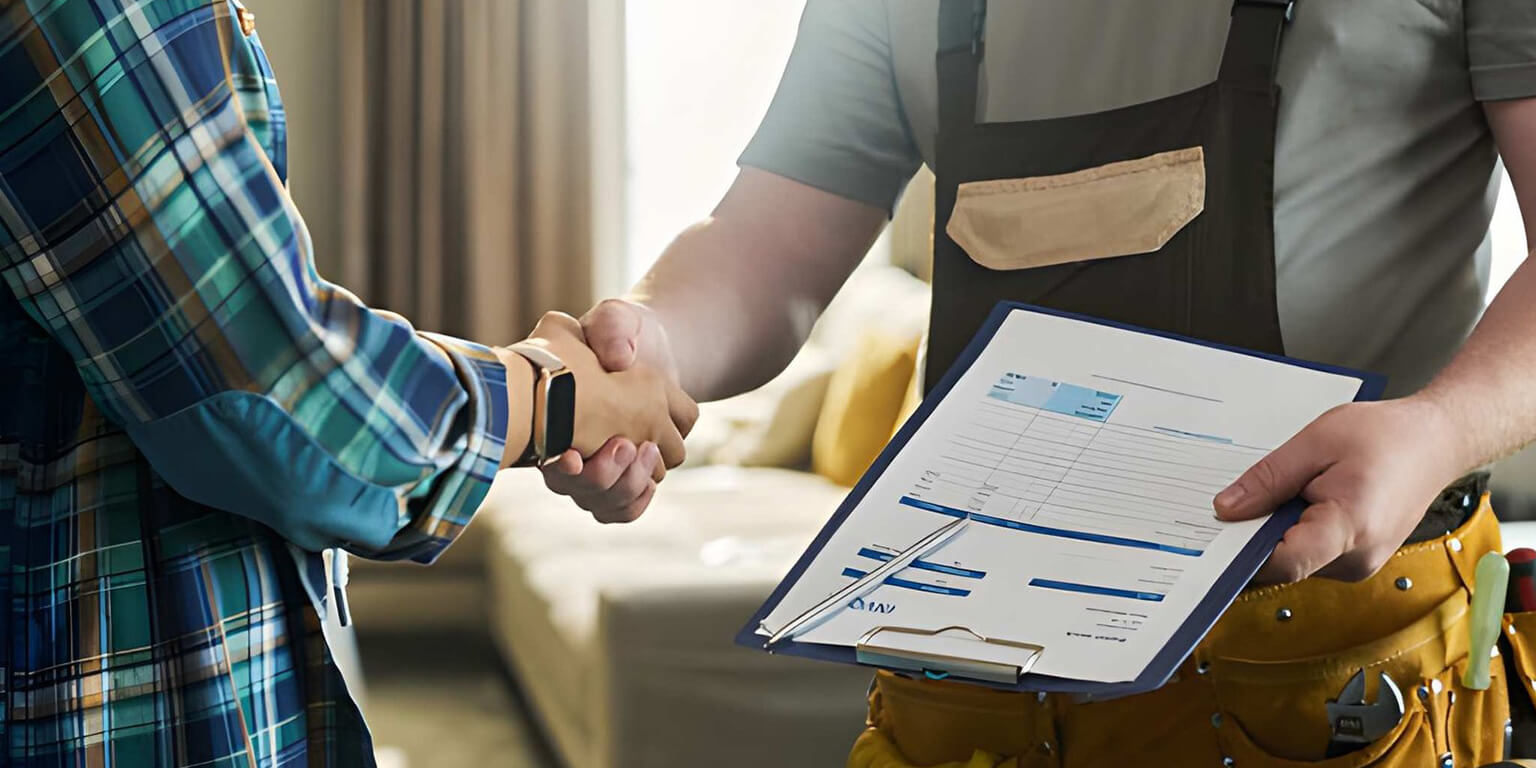
Whether it's one job or a full list, our team will give you a clear quote and get everything sorted in one visit.
Contact GeeM today to book your handyman visit or ask about availability in your area. Call us toll-free on 800 4336 or reach us via WhatsApp. Same-day bookings are available across Dubai.
Frequently Asked Questions
.svg)
Any electrical work involving fixed wiring, circuit modifications, or distribution boards must be carried out by a licensed contractor under DEWA regulations. Attempting this work without proper licensing can result in compliance issues, failed property inspections, and potential safety hazards. For general maintenance tasks like painting, shelf installation, or furniture assembly, there are no specific legal restrictions, though the quality and safety of the result varies significantly with skill and tools.
You can attempt it, but most Dubai apartments have reinforced concrete walls that require the correct hammer drill, drill bit size, and wall anchors to mount a bracket safely. Using incorrect fixings on a concrete wall can result in a bracket that appears secure but fails under load. If your TV is large or heavy, a professional installation is worth considering to avoid wall damage and safety risks.
Dubai's hard water creates significant mineral scale buildup inside pipes and fittings over time. When you disconnect a fitting that has calcified in place, the joint or the surrounding pipe can crack. Isolation valves in older properties can also seize from disuse and fail to shut off fully. These variables make what looks like a simple job more unpredictable than in countries with softer water supplies.
It can. Landlords and property managers reviewing a handover property can generally identify DIY repair attempts, including poorly filled drill holes, uneven paint touch-ups, and badly applied silicone. If the standard of repair raises questions, it may affect the return of your security deposit. Professional repairs carried out before handover are a straightforward way to avoid this issue.
In most cases, a skilled handyman can complete a full list of standard jobs, including TV mounting, shelf installation, curtain rod fitting, picture hanging, and minor repairs, within a half-day visit. The exact number depends on wall type, job complexity, and whether any materials need to be sourced on-site. Booking multiple jobs together in one visit is nearly always more cost-effective than separate bookings for each task.
Replacing a socket or switch face plate without touching any wiring is generally considered a low-risk task. But if the job involves disconnecting wires, rewiring connections, or any work inside the wall cavity or distribution board, that falls into territory where DEWA compliance and proper qualifications apply. When in doubt, a qualified handyman electrician can assess and complete the job safely and correctly.
A handyman handles a broad range of everyday maintenance, installation, and repair tasks across multiple trades. A specialist contractor, such as a licensed electrician or plumber, handles more complex or regulated work within their specific trade. For most everyday home jobs, a skilled handyman is the right call. For work on your main electrical panel, large pipe replacements, or anything requiring permits or inspections, a licensed specialist is the appropriate choice.
Table of content
- Extreme Heat and Overworking
- Poor Maintenance and Dirty Filters
- Incorrect Sizing of AC Units
- Low Refrigerant Levels
Recent Posts

Download our App







© 2026 GeeM.
.svg)