How Often Should You Repaint Your Home in Dubai?
Post Details
Key Takeaways
- Exterior walls in Dubai generally need repainting every 3 to 5 years, depending on sun exposure, paint quality, and location.
- Interior spaces typically last 5 to 7 years, though wet areas like kitchens and bathrooms may need attention sooner.
- Dubai's UV intensity, thermal cycling, sandstorms, and humidity all accelerate paint wear significantly faster than in milder climates.
- Coastal properties in areas like Dubai Marina and JBR face salt air exposure, which can shorten exterior paint life further.
- Waiting for paint to look bad before repainting usually means more prep work and higher cost when the job does come around.
- October through April is the best window for exterior painting in Dubai. Summer heat causes paint to dry too fast, which affects adhesion.
- Surface preparation matters more than most people expect. Poor prep is the most common reason paint fails ahead of schedule.
There isn't one clean answer to this question. And honestly, anyone who gives you a single number without asking about your property type, paint quality, location, or how south-facing your walls are is guessing. What we can tell you is what we actually see on the ground when we visit properties across Dubai, and what the patterns tell us about when repainting really becomes necessary.
Dubai is not a gentle environment for painted surfaces. The sun here is intense for the majority of the year, temperatures swing dramatically between the cool of air-conditioned interiors and the heat outside, and the dust is relentless. Those three factors alone put painted surfaces under a kind of stress that most paints aren't designed to handle indefinitely. Add coastal salt air if you're near the water, and the pressure increases further.
So let's break this down by where the paint actually is.
Exterior Walls: The 3 to 5 Year Rule
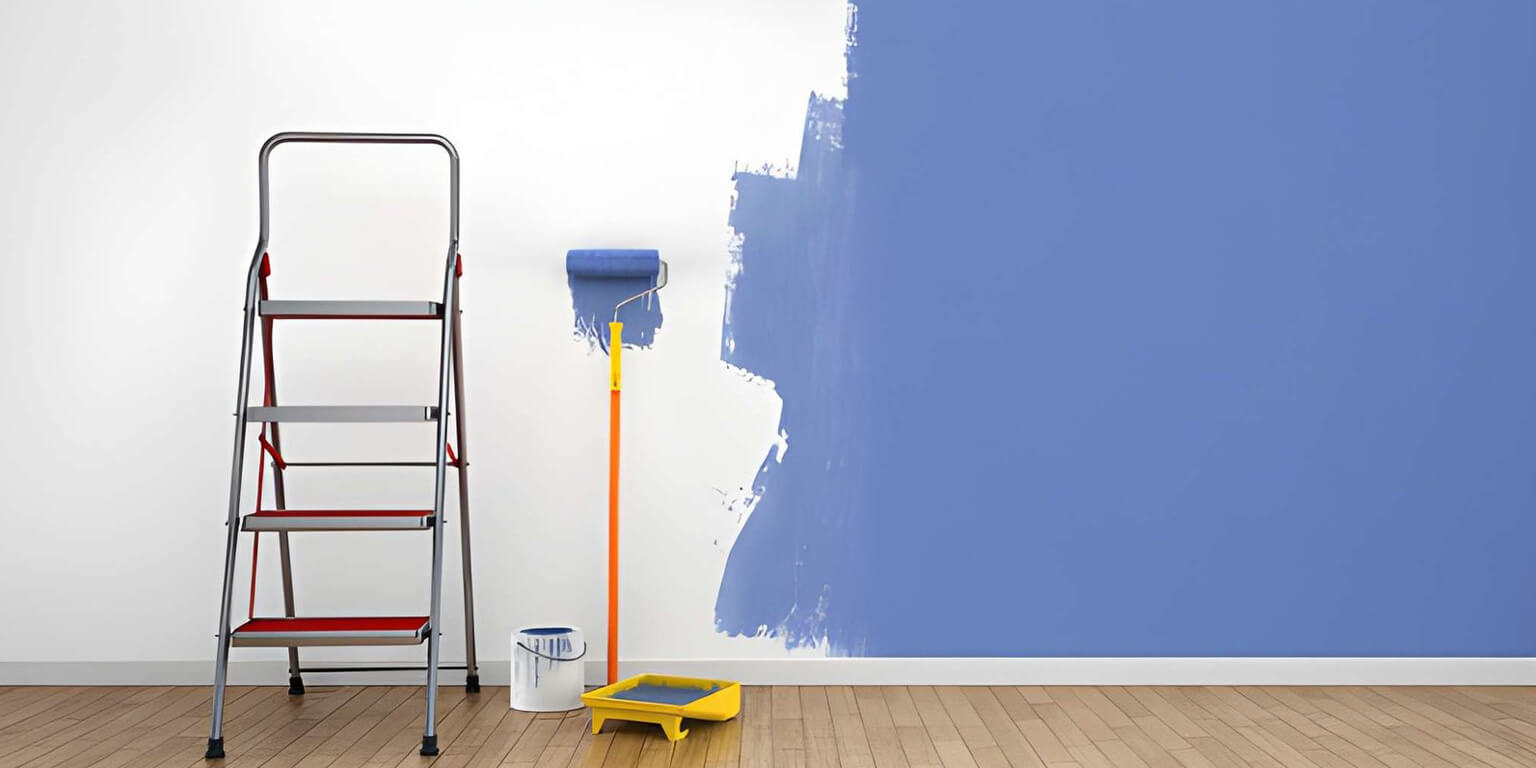
Exterior walls in the UAE should generally be repainted every 3 to 5 years, depending on paint quality, surface material, and how much direct exposure the walls get. South and west-facing walls tend to need attention sooner, sometimes around the 3-year mark, while more protected areas can hold on for 4 to 5 years.
That range isn't arbitrary. Exterior paint in Dubai deals with UV radiation levels that break down the polymer bonds in paint over time. UV breaks down paint polymers, causing colour fading, surface chalking, and reduced film integrity. Frequent dust storms carry abrasive particles that gradually wear away paint surfaces, particularly on exposed edges, corners, and textured areas.
Coastal properties carry an added variable. Properties in areas like Dubai Marina and JBR face additional salt air exposure, which can reduce exterior paint life by 20 to 30% compared to inland locations. If you're in a waterfront community and your exterior paint is approaching four years old, it's worth getting it assessed rather than waiting for problems to appear.
And it's worth saying clearly: waiting until paint looks terrible before repainting is almost always the more expensive choice. By the time paint is visibly failing, the surface underneath has often been exposed to moisture or abrasion for a while. More prep work means more time, more cost, and sometimes more structural repair before any painting can begin.
Interior Walls: Longer, But Not Forever
Interior spaces are protected from the worst of what Dubai's climate does to painted surfaces. No direct UV, no sandstorms, no thermal swings between desert heat and rain. But they have their own pressures.
Interior walls usually last longer, but they're not immune to wear. Kitchens, hallways, bathrooms, and kids' rooms tend to show signs of age faster because of moisture, stains, or just everyday use. In most cases, a well-painted interior space with quality paint and proper prep can go 5 to 7 years without needing a full repaint.
But that's for the main living areas. Wet rooms are a different story.
Kitchens and Bathrooms
In Dubai's climate, the combination of steam, humidity, and the daily cycling of AC means these walls take more of a beating than a bedroom or lounge. In most cases, you're looking at every 3 to 4 years for kitchens and bathrooms before the paint starts showing wear that's harder to clean than repaint. If you're seeing discoloration around the ceiling line or near the shower, that's a sign to act rather than wait.
High-Traffic Areas
Hallways, stairwells, and children's rooms show wear based on activity, not just time. Scuffs accumulate. Marks don't always wash off. Rather than a scheduled repaint, these areas tend to announce themselves: when spot-cleaning stops working and the wall starts looking uneven or patchy, it's usually time.
The Warning Signs That Tell You It's Time
How do you know when the clock has run out regardless of the calendar? Your walls will tell you, if you know what to look for.
Chalking: Run a hand or dark cloth along an exterior wall. If it comes away with a powdery residue, the paint's binder is breaking down. UV breaks down paint polymers, causing colour fading and surface chalking. Once chalking sets in, the protective function of the paint layer is already compromised. Chalking on exterior walls means repainting is overdue, not approaching.
Peeling or flaking: This is the most urgent sign. Peeling usually happens when walls haven't been properly prepared, or when moisture has seeped in from leaks or high humidity. In some cases, using low-quality paint or skipping primer makes it worse. Once peeling starts, it spreads. Addressing it early saves the surface underneath.
Fading: Colours that looked rich two or three years ago looking washed out now, especially on sun-facing walls. This isn't just cosmetic. Fading indicates the paint's protective pigments are degrading, which means the wall beneath has less protection than it should.
Persistent stains or mould spots: In kitchens and bathrooms especially, dark spots that return after cleaning are a sign the paint's resistance to moisture has failed. Repainting over mould without treating the cause won't fix the problem.
Visible cracking: Small hairline cracks can be a sign of thermal movement that the paint isn't flexible enough to handle. Left unaddressed, these let moisture in. In Dubai's climate, flexible paints such as acrylic emulsion or elastomeric paint are better suited because they can expand and contract with the wall without cracking.
Sound familiar? If you're seeing two or more of these at once, waiting for the next annual repaint cycle isn't the right call.
What Makes Paint Last Longer in Dubai
The lifespan of any paint job is only partly determined by the paint itself. How it was applied, and what was done before the first brush went on, matters just as much.
Surface preparation is the foundation. Walls that weren't properly cleaned, filled, primed, and allowed to cure before painting will fail sooner than they should, regardless of paint quality. We've seen premium paint peel within 18 months because the surface underneath wasn't ready for it. And we've seen mid-range paint outlast it by years simply because the prep was done right.
Paint quality makes a real difference too, particularly for exteriors. Spending 20 to 30% more on premium paint systems can extend lifespan by 40 to 60%, resulting in significant long-term savings when you factor in reduced maintenance and fewer repainting cycles. A cheaper option that needs redoing in two years costs more over a five-year period than a better product applied once.
And then there's timing. October through April is the recommended window for exterior painting in Dubai. Summer heat causes paint to dry too quickly, which compromises adhesion and finish quality before the paint has even had a chance to cure properly.
Villas vs Apartments: Is the Timeline Different?
In general, the interior repainting cycles are similar for both. A villa bedroom and an apartment bedroom face roughly the same conditions. The real difference is on the exterior.
Villas have significantly more exposed surface area, often in communities with their own maintenance standards or required colour schemes. They also face more direct exterior wear because they're standalone structures without shared building management handling the facade. For most Dubai villas, a proactive exterior repaint every 3 to 4 years is a reasonable baseline, especially if previous paint jobs used standard rather than premium weather-resistant products.
Apartment owners typically only deal with interior repainting, unless they own a ground-floor unit with private exterior walls. Move-out repainting is also a practical reality for tenants: most Dubai rental agreements expect walls to be returned in good condition, and a fresh coat is often required before handing keys back.
Our painting services in Dubai cover both scenarios. Whether it's a full villa exterior or a single apartment before a handover, the approach to surface prep and product selection stays the same.
How Painting Fits Into a Broader Maintenance Plan
Repainting is rarely a standalone decision in a well-maintained property. When we assess a property for painting, we often see other things that need attention at the same time: hairline cracks in the facade, waterproofing that's wearing thin, or interior wall damage from a slow leak that hasn't been addressed yet. Doing them together saves disruption and often reduces overall cost.
As a property maintenance company with over 20 years of experience in Dubai, we look at the full picture rather than just the paint. If there's an underlying issue that'll compromise a new paint job, we flag it before any work begins.
For property owners who want to stay ahead of wear rather than react to it, our annual maintenance contracts include regular inspections that catch surface deterioration early. And for villa owners managing larger exterior areas, our villa maintenance programs are designed around exactly these kinds of ongoing needs.
When You're Ready to Repaint
If your walls are approaching the end of their cycle, or you're already seeing some of the warning signs above, the next step is a proper assessment before making any product decisions.
Get in touch with GeeM and we'll arrange a visit to your property. We'll look at the surface condition, flag anything that needs attention before painting begins, and give you a clear view of what's involved and what it'll cost. No guesswork, and no pressure.

Frequently Asked Questions
.svg)
In most cases, every 3 to 5 years is a reasonable cycle for exterior villa painting in Dubai. South and west-facing walls that receive the most direct sun may need attention closer to the 3-year mark. Properties near the coast, where salt air is a factor, may also see exterior paint wear faster than inland locations. The quality of the paint and the preparation done during the previous job both significantly affect how long it lasts.
With quality paint and proper surface preparation, most interior walls in Dubai can go 5 to 7 years before needing a full repaint. Kitchens, bathrooms, and high-traffic areas like hallways tend to wear faster and may need attention every 3 to 4 years. The condition of the surface and how well the previous paint job was done both play a role.
The most common indicators include: chalking on exterior walls (a powdery residue when you run a hand along the surface), peeling or flaking paint, significant fading, persistent stains that won't clean off, visible cracking, and mould or dark spots in wet areas that return after cleaning. If you're seeing more than one of these at the same time, it's generally worth getting the property assessed.
For exterior painting, yes. High temperatures in Dubai's summer months cause paint to dry too quickly, which affects how well it bonds to the surface and can result in a poor finish. October through April is the recommended window for exterior work. Interior painting is generally fine year-round, as the temperature indoors is controlled by air conditioning.
Yes, it can. Properties in coastal areas like Dubai Marina, JBR, and Palm Jumeirah are exposed to salt air, which can accelerate exterior paint wear compared to inland communities. Properties with significant west or south-facing wall exposure also tend to see faster UV degradation. Desert-facing communities may experience more abrasion from sand and dust, particularly on exterior surfaces and corners.
Generally speaking, yes. Premium exterior paints formulated for the UAE climate use better binders, UV-resistant pigments, and more flexible compounds that handle thermal movement without cracking. The upfront cost is higher, but in Dubai's conditions, a better product applied once typically outlasts a cheaper alternative that needs redoing in half the time.
This isn't recommended, particularly in Dubai's climate. Painting over peeling or poorly adhered surfaces will result in the new coat failing in the same areas, often sooner than expected. The correct approach is to remove the failing paint, treat the surface properly, apply a suitable primer, and then repaint. Skipping this step is one of the most common reasons paint jobs underperform in Dubai's conditions.
Table of content
- Extreme Heat and Overworking
- Poor Maintenance and Dirty Filters
- Incorrect Sizing of AC Units
- Low Refrigerant Levels
Recent Posts
Download our App







© 2026 GeeM.
.svg)