What Is Mall Facility Management? A Dubai Guide
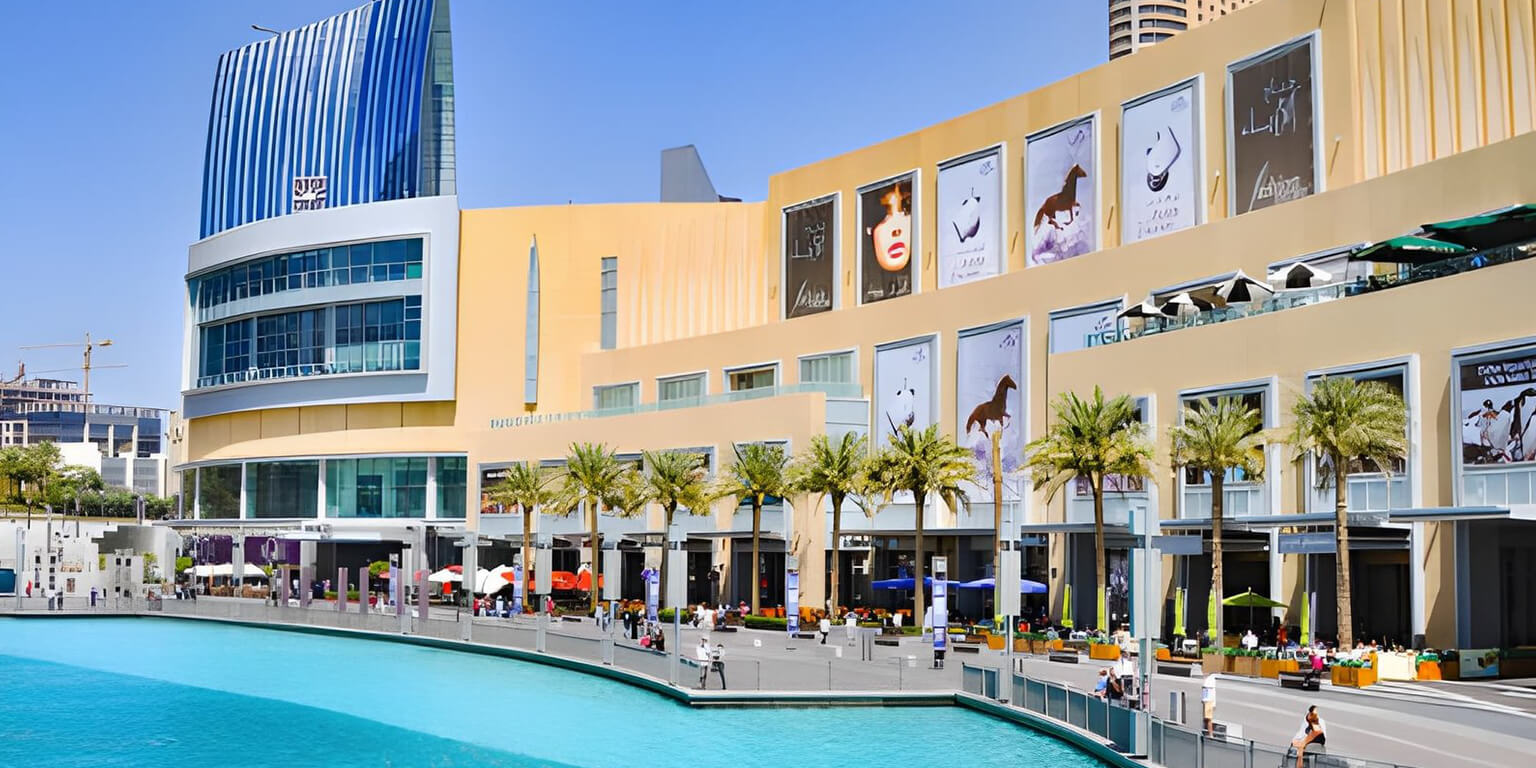
Post Details
Key Takeaways
- Mall facility management covers two distinct disciplines: hard services (MEP, HVAC, fire safety, structural systems) and soft services (cleaning, pest control, security, waste management)
- In Dubai's climate, the HVAC system is the single most critical asset in any shopping centre. Its failure can render entire sections of a mall unusable within minutes
- Dubai Municipality (DM) and Dubai Civil Defence (DCD) set mandatory compliance standards for mall operations, and non-compliance carries financial penalties and potential shutdown
- Planned Preventive Maintenance (PPM) is the operational backbone of well-managed malls. It reduces unplanned breakdowns and extends equipment lifespan
- Integrating all services under one FM provider reduces coordination gaps, improves accountability, and generally lowers total operating costs
A shopping centre doesn't run on its own. Behind every functional escalator, cooled corridor, clean washroom, and working CCTV camera is a structured maintenance operation that most visitors never think about. But mall operators and asset managers think about it constantly. Because when something goes wrong inside a busy retail environment, the consequences aren't small.
Mall facility management is the discipline that keeps those problems from happening. It's not just routine cleaning or responding to complaints. It's a planned, system-wide approach to maintaining every physical asset and operational service inside a commercial retail property. Done properly, it protects the building, extends equipment lifespan, and ensures the kind of environment that keeps tenants and shoppers coming back.
This guide explains what mall FM actually involves, what makes it different from standard property maintenance, and what a high-performing FM strategy looks like for Dubai shopping centres.
What Does Mall Facility Management Include?
The scope of mall FM is typically divided into two categories. Understanding both is important before you evaluate any provider or structure any contract.
Hard FM: The Technical Infrastructure
Hard services cover everything structural and mechanical. These are the systems that keep the building physically safe and functional. In a shopping centre context, that means:
- HVAC and chiller plant management
- Electrical distribution and switchgear
- Plumbing and drainage infrastructure
- Fire detection, suppression, and life safety systems
- Escalators, elevators, and access control
- Water tank cleaning and water quality management
- Planned preventive maintenance (PPM) schedules across all assets
In the UAE facility management market, hard services held close to 61% of market share in 2025, and commercial assets accounted for roughly 43% of total FM market revenue, which reflects where the real risk and technical complexity sits in environments like malls.
Soft FM: The Operational Environment
Soft services directly shape how a mall feels to tenants and customers. These include:
- Daily and deep cleaning
- Pest control
- Waste management and segregation
- Security and CCTV monitoring
- Landscaping and façade upkeep
- Concierge and help-desk staffing
And this is where many operations underestimate the technical demand. Specialised cleaning protocols in Dubai malls use dual-phase processes to sustain hygiene in venues handling over 100,000 daily visitors, including high-end scrubbers and UV-C dosing to manage microbial risks and dust accumulation. That isn't cosmetic work. It's a genuine operational control function.
Why Mall FM Is Different From Standard Property Maintenance
Most commercial buildings can tolerate a degree of planned downtime. A shopping centre essentially can't. Closing sections for repair work during trading hours isn't just inconvenient. It costs tenants revenue, and in a competitive retail market, that damages the landlord-tenant relationship.
The most significant differentiator is the mall's absolute reliance on its large-scale, centralised HVAC system. In Dubai's climate, a partial chiller failure can render entire sections of a mall uninhabitable within minutes, leading to immediate loss of tenant revenue and significant operational disruption. The complexity is compounded by the inability to shut down systems for repairs during operating hours.
So what does that mean practically? Major works, system overhauls, and noisy preventive tasks are restricted to a narrow overnight window, typically between midnight and 8 a.m. This requires meticulous scheduling, a team that can plan and pre-fabricate work efficiently, and an FM provider who understands the operational rhythm of retail.
That's a fundamentally different operational model from maintaining an office building or residential tower. And it's why experience in commercial retail environments matters so much when choosing a facilities management provider.
Compliance in Dubai: What Mall Operators Must Know
Dubai's regulatory framework for commercial properties is detailed and actively enforced. Two bodies govern most of it.
Dubai Municipality (DM) sets standards for building safety, sanitation, ventilation, and indoor air quality. DM covers structural integrity, sanitation, waste management, and public health, ensuring buildings are safe, healthy, and environmentally appropriate.
Dubai Civil Defence (DCD) governs fire and life safety. They set standards for fire detection systems, suppression equipment, emergency exits, and evacuation plans. Meeting DCD requirements is non-negotiable for occupant safety.
A robust compliance strategy is built on documentation and readiness. All certificates, inspection reports, and maintenance logs must be maintained in a meticulous digital and physical archive, and the operational framework should be audit-ready at all times.
For water systems specifically, DM requires semi-annual water tank cleaning certificates, plus periodic lab test results for potable water demonstrating it's free from legionella and other contaminants. Fire systems require quarterly and annual servicing records from a DCD-approved contractor.
Non-compliance isn't just a paper risk. Proactive management ensures continuous compliance with DM and DCD regulations, mitigating the risk of financial penalties or forced operational shutdowns. For a high-footfall retail environment, a shutdown is an expensive outcome in every sense.
The Role of Planned Preventive Maintenance in Shopping Centres
Reactive maintenance is expensive. It's also unpredictable, which makes it even harder to manage inside a live retail environment.
In Dubai's retail sector, predictive maintenance models across major shopping malls have reduced equipment breakdowns by 35% and lowered energy costs by 25% through optimised HVAC and lighting controls. Those aren't marginal gains. They translate directly into lower operating costs and fewer disruptions for tenants.
PPM is the structured alternative. It means scheduling maintenance activities based on manufacturer recommendations, asset condition data, and seasonal demand patterns rather than waiting for something to fail. For malls in Dubai, this is especially relevant during the summer peak, when HVAC systems operate under maximum load and any failure creates immediate problems.
Strategic maintenance is the primary tool for controlling operational expenditure. It reduces emergency call-out fees and extends asset lifecycle, thereby deferring major capital expenditure replacements.
We build PPM schedules into every facilities management engagement we take on. It's one of the clearest ways to demonstrate the long-term value of a structured FM approach versus ad-hoc maintenance.
Hard FM and Soft FM: Two Systems, One Operation
Here's where a lot of procurement decisions go wrong. Operators separate hard and soft FM contracts, thinking they're managing two distinct functions. But in a mall, the two systems are deeply interdependent.
A well-maintained chiller plant means nothing if the air-handling units haven't been cleaned and the ducts are distributing dust throughout the building. A pristine retail concourse loses value quickly if the lighting has gaps or the access control systems aren't functioning. Optimal asset performance is achieved only when both hard and soft services are managed in an integrated manner.
Managing both under one provider improves coordination, eliminates the gaps that arise from separate contracts with separate reporting structures, and creates genuine single-point accountability. That last part matters a lot in a complaint-heavy, high-traffic environment where response time directly affects tenant satisfaction.
What to Look for in a Mall FM Provider in Dubai
Not every FM company is structured for the complexity of retail environments. A few things worth evaluating carefully:
Experience with retail-specific operational constraints. Can they work within overnight maintenance windows? Do they understand tenant handover processes and the documentation requirements that go with them?
Compliance fluency. When evaluating maintenance partners, their ability to navigate Dubai Municipality and Civil Defence regulations and maintain flawless records is as critical as their technical proficiency.
Service scope. A provider who covers AC repair, electrical services, plumbing, CCTV and security systems, water tank cleaning, pest control, and gate barrier systems under one contract removes a significant coordination burden from your internal team.
SLA structure. A Service Level Agreement establishes clear, measurable metrics for response times, asset uptime, and rectification quality, making vendor performance auditable. Any serious FM provider should be able to commit to defined response times for both planned and emergency situations.
At GeeM, our facilities management in Dubai service covers all of the above. We have 50-plus certified technicians, 20-plus years of on-the-ground experience across Dubai, and 24/7 emergency support for situations that can't wait until the next business day. We're also familiar with the compliance landscape in Dubai's commercial sector, which means your maintenance logs and certification records stay current and audit-ready.
For shopping centres and large retail properties, we structure engagements under a facility AMC, which combines planned preventive maintenance with emergency response and compliance documentation into a single managed contract.
Ready to Discuss Mall FM for Your Property?
Whether you're managing an existing retail asset or planning FM support for a new development, the right provider makes a measurable difference to operating costs, tenant satisfaction, and regulatory standing.
If you'd like to understand how we approach mall and commercial facilities management, we're happy to assess your property and recommend the right structure. Get in touch with the GeeM team to start the conversation.
FAQ
.svg)
Mall facility management is the professional management of all physical systems and operational services within a shopping centre. It covers hard services (HVAC, electrical, plumbing, fire safety, elevators) and soft services (cleaning, security, pest control, waste management), with the goal of keeping the property safe, compliant, and operational at all times.
Hard FM refers to the maintenance of physical and technical systems such as HVAC, electrical distribution, plumbing, and fire suppression. Soft FM covers operational and people-facing services including cleaning, security, landscaping, and pest control. Both are necessary for a fully functional retail environment, and they work best when managed in an integrated way.
Dubai Municipality (DM) and Dubai Civil Defence (DCD) are the two primary regulatory bodies. DM oversees building safety, sanitation, ventilation, and indoor air quality standards, while DCD governs fire and life safety compliance. Non-compliance with either body can result in financial penalties or operational shutdowns.
Dubai's climate means HVAC systems in shopping centres operate under sustained high load, especially during summer months. A chiller or air-handling failure can make large sections of a mall unusable within minutes. This makes HVAC system health the single most critical technical priority in any mall FM strategy.
PPM is a scheduled maintenance programme based on asset condition data, manufacturer recommendations, and operational patterns rather than reactive repairs. In malls, PPM schedules are typically executed during overnight windows to avoid disrupting trading hours. They reduce unplanned breakdowns, extend equipment lifespan, and lower long-term operating costs.
Dubai Municipality requires water tanks to be cleaned and certified at least twice per year. Lab test results for potable water quality are also required periodically to confirm compliance with public health standards.
Look for demonstrable experience in retail environments, compliance knowledge covering DM and DCD requirements, the ability to cover both hard and soft services under one contract, and a clear SLA framework with defined response times for both planned and emergency work. An integrated approach with a single point of accountability reduces service gaps and simplifies contract management.
Table of content
- Extreme Heat and Overworking
- Poor Maintenance and Dirty Filters
- Incorrect Sizing of AC Units
- Low Refrigerant Levels
Recent Posts

Download our App







© 2026 GeeM.
.svg)