What Homeowners Should Know Before Upgrading Electrical Fixtures
Post Details
Key Takeaways
- Upgrading electrical fixtures isn't just a cosmetic change — it involves working with live circuits, wiring connections, and load capacity that all need to be assessed beforehand
- Older Dubai properties in particular may have wiring that doesn't meet current standards, which affects what fixtures can safely be installed
- DEWA's technical regulations set the framework for electrical installations in Dubai, and any upgrade should be compatible with those requirements
- Switching to LED lighting, smart switches, or higher-rated fixtures changes the electrical demand on circuits in ways that aren't always obvious upfront
- Some upgrades look straightforward but carry real risk when the existing wiring is aged, undersized, or incorrectly installed
- A qualified electrician should assess the existing setup before any fixture upgrade begins, not after problems appear
- Doing the work properly the first time is consistently cheaper than fixing a job that was done without the right checks
Changing a light fitting or replacing a set of switches sounds simple. And in many cases, the physical installation itself isn't complicated. But what sits behind the fixture — the wiring, the circuit rating, the condition of connections that may not have been touched in a decade — is where things get more involved than most homeowners expect.
We've seen this pattern repeatedly across Dubai properties. Someone decides to upgrade their lighting or install new smart switches, the job looks finished, and then months later there's a tripping breaker, a warm wall plate, or a flickering fitting that wasn't there before.
The upgrade wasn't the problem. The lack of a proper check before the upgrade was.
Start With the Wiring, Not the Fixture
Before you choose what you're installing, it's worth understanding what you're installing it into.
In many Dubai villas and apartments, especially those built more than fifteen years ago, the existing wiring may have been sized for a different load profile than what's in use today. Wiring that was adequate for the original fittings and appliances may be operating close to its rated capacity now, particularly during summer when AC systems are drawing heavily across the same circuits.
When you add a new fixture to an already loaded circuit, you're adding demand to a system that may not have much headroom left. In most cases this doesn't cause an immediate problem. But over time, consistently pushing circuits close to their limit degrades insulation, weakens connections at junction boxes, and increases the risk of faults that aren't visible from the surface.
So the starting question isn't "which fixture should I buy." It's "what is the current state of the wiring this fixture will connect to."
A qualified electrician in Dubai can assess that quickly and give you a clear answer before any work begins.
Understand What Your Existing Circuit Can Handle
Every circuit in your home has a rated capacity, expressed in amps. That rating determines how much load the circuit can carry safely before the breaker trips or, in a worst case, before the wiring overheats.
When you're upgrading fixtures, you need to know which circuit they're on and how much capacity that circuit has available. This is straightforward for a single light fitting. It becomes more relevant when you're replacing multiple fittings, installing recessed downlights across a large ceiling, or adding smart lighting systems that include control modules with their own power draw.
Switching to LED Isn't Always a Straight Swap
LED fittings use significantly less power than halogen or incandescent equivalents, which is generally a good thing for energy consumption. But there's a detail that catches people out: some LED drivers and dimmable LED fittings don't work correctly with older dimmer switches that were designed for higher-load incandescent bulbs.
The result is usually flickering, buzzing, or the dimmer not functioning properly across the full range. In some cases the LED driver can be damaged by an incompatible dimmer over time. If you're switching to LED and your existing switches are older dimmers, checking compatibility before installing is much easier than troubleshooting afterwards.
ESMA's energy efficiency labelling for lighting products provides guidance on rated performance for LED and other energy-efficient lighting in the UAE, which is worth understanding when selecting fittings.
Smart Switches and Home Automation: What to Check First
Smart switches are one of the more popular upgrades in Dubai homes right now, and for good reason. Being able to control lighting remotely, set schedules, and integrate with home automation systems adds genuine convenience.
But smart switches have specific wiring requirements that standard mechanical switches don't.
Most smart switches require a neutral wire at the switch position to function correctly. In older wiring installations, neutral wires weren't always run to switch positions because traditional mechanical switches don't need them. If your existing switches don't have a neutral, you either need a smart switch model that's designed to work without one (a smaller category, and not all perform equally well) or you need the wiring updated to bring a neutral to each switch position.
Finding this out after you've bought a set of smart switches is frustrating. Finding it out before means you can make an informed decision about which product to buy or whether to budget for a wiring update as part of the job.
This is exactly the kind of thing a quick inspection by a qualified electrician covers before any products are purchased.
Outdoor and Bathroom Fixtures Need the Right IP Rating
Not all electrical fixtures are rated for all environments. A fitting designed for a dry indoor space isn't appropriate for a bathroom, a covered outdoor area, or a kitchen directly above a sink.
Electrical fixtures are rated using an IP (Ingress Protection) code that describes how well they're protected against dust and moisture. For bathrooms, IEC 60364 zone requirements specify minimum IP ratings depending on how close a fitting is to water sources. Outdoor fittings in Dubai's climate also need to account for humidity, heat, and occasional dust ingress.
Installing a fitting with an insufficient IP rating in a wet or outdoor location is a safety issue, not just a compliance one. In a humid Dubai summer, moisture ingress into an inadequately rated fitting can create fault conditions that aren't immediately obvious but develop over time.
If you're upgrading fixtures in bathrooms, kitchens, balconies, or garden areas, checking the IP rating of what you're installing is a step that shouldn't be skipped.
Older Properties Need Extra Attention
Dubai has a significant stock of properties that were built during periods of rapid construction growth, and electrical standards and materials have evolved considerably since then. Wiring in some older buildings used materials or installation methods that don't meet current requirements and may have degraded meaningfully over time.
Before upgrading any fixtures in an older property, it's worth having the relevant circuits visually inspected. Discoloured insulation, connections that have been made without proper junction boxes, wiring that runs without conduit in areas where it should be protected — these are all things that affect whether an upgrade can be done safely on the existing infrastructure or whether some remedial work needs to happen first.
This isn't about making the job more complicated. It's about not installing new fittings onto a foundation that won't support them reliably.
As a home maintenance company in Dubai working across a wide range of property ages and types, we regularly find electrical conditions in older properties that the owner wasn't aware of until a proper inspection was carried out. The fixture upgrade becomes the opportunity to address issues that were already there.
What the Installation Process Should Include
A proper fixture upgrade done by a qualified electrician isn't just the physical fitting of the new product. It should include:
- Isolating the circuit correctly before any work begins, not just switching off the local switch
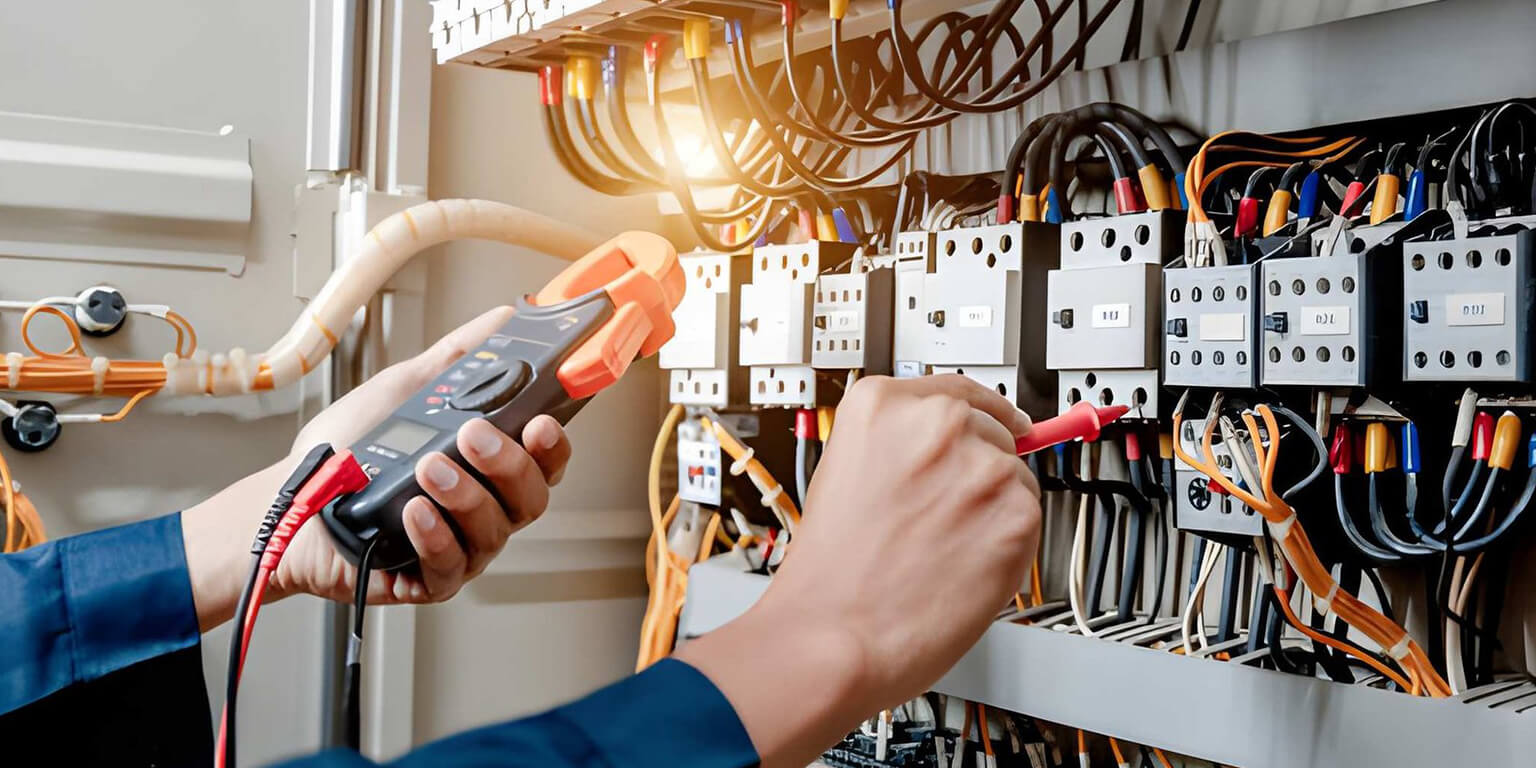
- Checking the existing wiring condition at the connection point, including insulation, connection quality, and any signs of previous heat damage
- Confirming the circuit rating is appropriate for the new fixture's load
- Making connections using the correct terminal types and ensuring everything is secured properly before the fitting is closed
- Testing the circuit after installation before the work is signed off
Shortcuts in any of these steps are where problems appear later. And in most cases, those problems are more expensive to fix than the original installation would have been to do correctly.
Our electrical services across Dubai cover all of this as standard, with a written record of what was inspected and what was done so you have documentation of the work carried out.
When to Combine an Upgrade With a Broader Inspection
If you're planning a fixture upgrade across multiple rooms or across an entire property, it's worth treating it as an opportunity for a broader electrical review at the same time. Having an electrician assess the condition of your distribution board, check circuit labelling and ratings, and identify any circuits that are operating close to their limits costs relatively little when it's done alongside the upgrade work.
For property owners managing villas or larger apartments, this kind of periodic review sits naturally within the scope of a broader Annual Maintenance Contract, where electrical, AC, and plumbing systems are all assessed on a regular schedule rather than only when something goes wrong.
Reactive maintenance is always more expensive than planned maintenance. That's not a new idea, but it's one that applies very directly to electrical systems where small issues compound quietly before they become visible.
If you're planning an electrical fixture upgrade and you'd like a qualified assessment before you start, get in touch with GeeM. We cover all Dubai communities and can arrange a visit at a time that works for you.
Frequently Asked Questions
.svg)
Minor like-for-like replacements may seem straightforward, but electrical work in Dubai is subject to DEWA's technical regulations and should be carried out by a qualified electrician. Beyond compliance, working with circuits without proper isolation and the right tools carries genuine safety risk. For anything beyond changing a bulb, a licensed electrician is the right approach.
The main thing to verify is whether your existing wiring includes a neutral wire at the switch position. Many smart switches require a neutral to function correctly, and older installations in Dubai properties often don't have one at the switch. Checking this before buying avoids purchasing equipment that can't be installed without additional wiring work.
Not always. Older dimmers designed for incandescent or halogen bulbs may not be compatible with LED drivers, which can cause flickering, buzzing, or reduced dimmer range. If you're upgrading to dimmable LEDs, it's worth checking whether your existing dimmers are LED-compatible or whether they need to be replaced at the same time.
IP ratings for bathroom zones are defined by IEC standards and depend on proximity to water sources. Generally, fixtures directly above or within reach of a shower or bath require a higher IP rating than those in dry zones of the same room. Outdoor fixtures in Dubai should also be rated for moisture and heat exposure. A qualified electrician can advise on the correct rating for your specific installation point.
A qualified electrician can inspect the relevant circuits, check the rated capacity of the wiring and breakers, and assess the condition of connections and insulation at the fixture position. For older properties, this check is especially important since wiring condition and standards have changed significantly over the years.
For routine fixture replacements on existing circuits, DEWA approval isn't typically required. But for any work that involves changes to the distribution board, new circuits, or significant electrical modifications, DEWA's approval process applies. When in doubt, consult a licensed electrician who understands local requirements.
Generally speaking, a full electrical inspection every few years is a reasonable baseline for most properties, with more frequent checks in older buildings or those that have had multiple owners and renovation work over time. Any time you notice warm switch plates, flickering, or unexplained breaker trips, that's a prompt for an inspection sooner rather than later.
Table of content
- Extreme Heat and Overworking
- Poor Maintenance and Dirty Filters
- Incorrect Sizing of AC Units
- Low Refrigerant Levels
Recent Posts


Download our App







© 2026 GeeM.
.svg)