Who Pays for AC Repair in Dubai: Landlord or Tenant?

Post Details
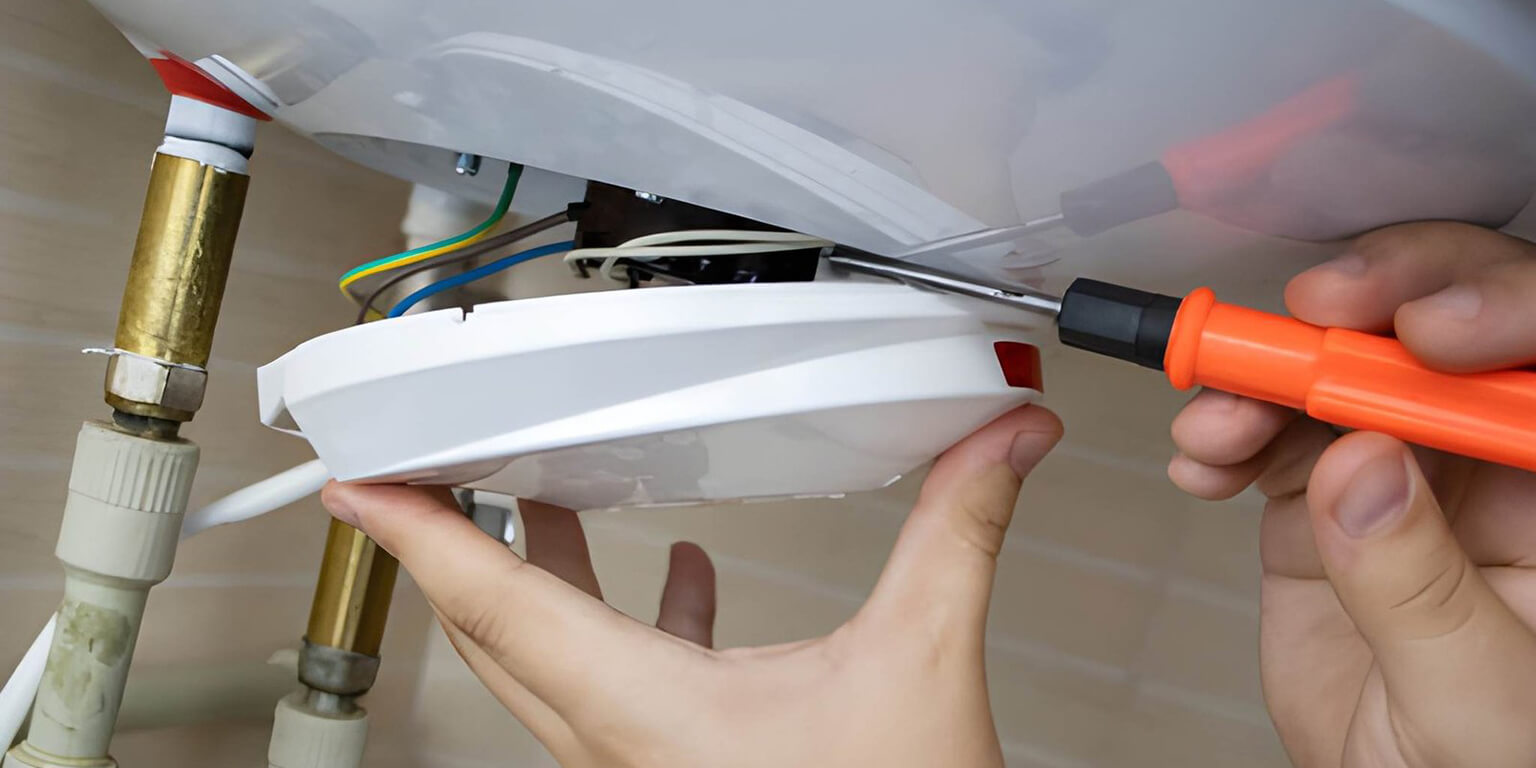
Your AC stops working on the hottest day of the year.
Your landlord tells you it's your problem. But something inside tells you that's not right.
In Dubai, where temperatures hit 45°C and staying cool is literally survival, you deserve to know exactly what the law says about AC repairs. Who's actually responsible? Is it really your bill to pay?
The honest answer: Thousands of Dubai tenants end up in expensive disputes with landlords over this exact question. One tenant pays AED 400 for a repair their landlord should have covered. Another waits two weeks for a fix, suffering in the heat, while their landlord delays. A third ends up at the Rental Dispute Settlement Centre (RDSC) trying to recover money they shouldn't have spent in the first place.
Why does this happen? Because most people don't understand RERA Law No. 26 of 2007. And landlords hope you won't either.
This guide is different. We break down exactly what the law requires, explain the gray areas that cause disputes, show you real examples, and give you step-by-step action if your landlord refuses to pay for AC repair in Dubai.
By the time you finish reading, you'll know your rights, understand fair pricing, and have a clear plan for what to do next.
What Does RERA Actually Say About AC Repairs?
Let's start with the law, because this is where the confusion ends.
Under Dubai Law No. 26 of 2007 (updated by Law No. 33 of 2008), Article 16 is crystal clear: "The landlord shall, during the validity of the tenancy contract, be liable for undertaking maintenance of the property and shall rectify any defects or faults that affect tenant's intended benefit from the property."
Translation? The landlord maintains the property. You get to use it as it's meant to be used. That's it.
Here's the important part: AC systems aren't optional extras in Dubai. They're essential infrastructure. When your AC breaks, your apartment isn't fit for living in anymore, especially during summer.
According to RERA guidelines, the landlord must fix any defect that affects your ability to use the property. A broken AC definitely counts.
This means your landlord can't legally force you to pay for AC repair in Dubai unless you caused the damage through carelessness or misuse.
That's the law. Plain and simple.
Major vs. Minor: The Gray Area
This is where confusion happens. The law separates repairs into two categories.
Things tenants typically handle:
- AC filter cleaning and replacement every month or two
- Light bulb replacement
- Clearing debris from outdoor units
- Basic visual checks for blockages
Things landlords definitely pay for:
- Refrigerant leaks (affects cooling)
- Compressor repair or replacement (the heart of the AC)
- Broken evaporator or condenser coils
- Thermostat failure needing replacement
- Water leaking from the unit (drain problems, condensate issues)
- Complete system failure
The tricky part? Some contracts set a cost threshold. Repairs under AED 500 to 1,000 might be considered tenant responsibility. Anything above goes to the landlord.
But here's what matters: Courts don't automatically accept this cost threshold. RERA looks at whether the repair affects your ability to cool your home, not just the price tag.
An AED 300 coil cleaning? That's major because it impacts cooling. A broken thermostat at AED 200? Also major because the AC won't function properly without it.
If your landlord says "it's under AED 500, so it's your problem," you have grounds to argue at the RDSC. The law cares about whether you can actually live in the apartment, not just the cost.
What Should AC Repair Actually Cost?
Before you accept any quote, understand fair pricing. This protects you from getting overcharged.
Basic AC Service Visit
Inspection, filter check, and coil assessment: AED 300 to 425. This includes diagnostics but usually no parts. A professional AC service in Dubai at this level helps identify issues before they become major problems.
Water Leaking from AC Unit
Drain line cleaning and pan repair: AED 300 to 450. Common in Dubai's humidity. Almost always the landlord's responsibility because it affects your property.
Cooling Problem Diagnosis and Repair
No major parts needed: AED 350 to 450. The technician finds the problem and fixes it if it's simple (like a clogged filter).
Duct Cleaning
System optimization and airflow improvement: AED 450 to 575. Important in Dubai's dusty environment. Regular AC cleaning in Dubai prevents efficiency loss and extends system lifespan.
Large Systems
Package units for villas: AED 400 to 575 depending on size and location.
Watch for red flags:
If someone quotes you way higher than these ranges, question it. Be suspicious if:
- Single AC unit service is over AED 600 without parts replacement
- Technician pushes you to replace parts you didn't ask about
- They won't provide a written itemized quote
- They refuse to explain what's being fixed
Always get quotes in writing. Include labor, diagnostics, parts, and travel fees. You'll need this documentation if you file a dispute at the RDSC.
If the quote seems way too high, get a second opinion. RERA doesn't expect you to accept inflated prices without question.
Real Scenarios: Who Actually Pays?
Let's walk through situations you might face.
What's in Your Tenancy Contract?
Your contract should clearly spell out who pays for what.
It should state:
- What maintenance you handle
- What your landlord maintains
- Any cost threshold (like AED 500 to 1,000) separating your responsibility from theirs
- How long the landlord has to respond to repair requests
If your contract says something vague like "tenant responsible for routine AC maintenance" without defining what "routine" means, that works in your favor. Courts interpret vague language against whoever wrote it (usually the landlord).
Watch for these red flags:
- "Tenant pays for all AC repairs no matter what"
- "Tenant pays for equipment replacement"
- "Landlord not liable if AC breaks down"
- "Tenant cannot file RDSC complaints about maintenance"
None of these are legal under RERA. They won't hold up in a dispute.
Before you sign a lease:
Ask your landlord or agent to clearly define what "routine maintenance" means. Request a maintenance schedule in writing. Ask about emergency repair response times. Get these answers added to your Ejari contract so they're legally binding.
The smart move is simple: Get everything in writing before you move in.
Your Rights If Your Landlord Refuses to Pay
Your AC broke two weeks ago. Your landlord keeps saying they'll "look into it." You're sleeping in 45°C heat with no cooling.
You have legal remedies. Here's the path forward.
Can You Repair It Yourself and Deduct From Rent?
This is risky but legal if done right.
RERA allows tenants to make essential repairs and deduct costs from rent, but only if:
- The repair is essential (affects your ability to live there)
- Your landlord refused or severely delayed (more than 14 to 21 days)
- You notified them in writing and gave them time
- You used a licensed professional contractor
- You have a written quote and receipt
How to do it safely:
- Send a final written notice: "If repair isn't arranged by [date], I'll arrange professional service and deduct the cost from next month's rent."
- Wait the full timeframe. At least 7 to 14 days minimum.
- Hire a licensed technician. Get a written quote first.
- Keep all receipts and invoices.
- Deduct only the documented repair cost, nothing more.
- Tell your landlord in writing what was fixed and why.
The risk: If you deduct incorrectly, your landlord could claim you didn't pay rent and try to evict you.
This rarely succeeds if you documented everything properly. But it's stressful.
Better alternative: Pay for the repair yourself and file for reimbursement at the RDSC. This is cleaner. It puts the burden on your landlord to fight your claim rather than you defending against eviction threats.
Emergency AC Repair in Summer: Timeline
How long can a landlord legally wait to fix your AC?
Peak Summer (June to September):
Maximum 7 to 14 days from your request. This is Dubai's hottest period. RERA expects urgency. If your AC breaks in July and your landlord waits three weeks, that's a violation of their legal obligation.
October to May:
Landlord has up to 30 days, though they should still respond promptly. AC isn't optional even in winter months.
What is "reasonable"?
The law doesn't define it precisely. Courts look at:
- Temperature outside
- Your family's health
- Whether the apartment is livable without AC
- How quickly parts or technicians are available
If your landlord says "the technician is busy, I'll call next week," that's not reasonable in summer.
The landlord should find another contractor or pay premium rates for faster service. That's their problem, not yours.
How to Avoid Disputes Before They Start
The best dispute is one that never happens.
Before you sign a lease, ask:
- What maintenance am I responsible for, and what do you handle?
- What's the response time if my AC breaks down?
- Is there a cost limit (like AED 500 or 1,000) that separates my costs from yours?
- How do I request repairs and who do I contact?
- Are routine AC services included, or will I pay for filters and cleaning?
Get answers in writing. Ask them to add these to your Ejari contract.
Push for clear contract language:
- Define "routine maintenance" (filters, cleaning) separately from "major repair" (parts, replacement)
- State that landlord responds to urgent repairs within 7 to 14 days
- Confirm landlord pays for equipment failure from normal wear and tear
- List how you request emergency repairs
- Clarify who pays for what
Get everything in writing before you move in.
The smart move: Annual maintenance plan
An annual maintenance contract with a professional company prevents most disputes. For comprehensive information about what maintenance includes, check our complete AC services guide for Dubai.
Why it works:
- Your AC gets regular servicing (less likely to break unexpectedly)
- Problems are caught early before they escalate
- Both you and your landlord know maintenance is happening
- Emergency situations are avoided
Landlords appreciate this because it protects their investment. Tenants like it because their AC is reliable.
It's a win for everyone.
Your Next Step
Your AC isn't just an appliance in Dubai. It's essential infrastructure.
You have the legal right to a functioning AC throughout your tenancy. Your landlord has a legal obligation to provide it.
If your AC is broken right now and your landlord is refusing to help:
You don't have to guess, hope, or accept an unfair situation. You have rights. Use them.
And if your landlord continues to resist, the RDSC exists specifically to protect tenants like you.
Stay cool. Your rights protect you.
Frequently Asked Questions
.svg)
Under RERA Law No. 26, your landlord is legally responsible for repairs affecting your use of the property. AC failure is major because it affects habitability. Put their refusal in writing, request repair within 7-14 days, and if they continue to refuse, file a complaint at the RDSC. You have strong legal grounds. Landlords often change their position once they realize you know your rights.
Technically, no—RERA doesn't permit rent withholding as a self-help remedy. However, you can use the "repair and deduct" method if the landlord refuses after written notice and reasonable time. Alternatively, pay rent on time and file a complaint at the RDSC for reimbursement of repair costs. This is safer legally and puts the burden on the landlord to fight your claim rather than you being at risk of eviction.
Most AC repair disputes are straightforward and resolve in 1-3 months. The RDSC first attempts mediation (usually 2-4 weeks). If mediation fails, it goes to tribunal, which can take another 4-8 weeks. However, many landlords settle during mediation when they see your documentation is solid. Simple disputes move faster than complex ones.
Yes, but with complications. RERA originally didn't hear complaints from unregistered leases, but that rule changed. Now you can file at the RDSC even without Ejari registration. However, having an unregistered lease weakens your position because you lack official proof of tenancy terms. Get your lease registered immediately—it strengthens your rights significantly.
Table of content
- Extreme Heat and Overworking
- Poor Maintenance and Dirty Filters
- Incorrect Sizing of AC Units
- Low Refrigerant Levels
Recent Posts

Download our App







© 2026 GeeM.
.svg)