Why Your Electricity Bill Increases During Dubai Summers

Post Details
Key Takeaways
- AC is the single largest driver of summer electricity bills in Dubai, accounting for more than half of a typical home's total consumption during peak months
- DEWA uses a tiered billing structure where higher consumption pushes you into more expensive slabs, so the increase compounds as summer progresses
- A poorly maintained AC system doesn't just cool less effectively — it draws significantly more power to do the same job
- Faulty wiring, overloaded circuits, and ageing appliances all add to consumption quietly in the background
- Peak load hours between 12pm and 6pm are when the combined draw of AC and other appliances hits hardest on your bill
- Many households see their bills spike not because of one big cause, but because of several small inefficiencies stacking on top of each other
- Understanding why the bill goes up is the first step to actually doing something about it
Every summer, the same thing happens. The temperature climbs, the AC runs longer, and a few weeks later the DEWA bill arrives looking nothing like it did in January. For most people living in Dubai, this has become an accepted part of the season.
But accepted doesn't mean understood.
There's a real difference between knowing your bill goes up and knowing why it goes up. And in most cases, the answer isn't just "it's hot." It's a combination of factors, some obvious and some that quietly compound in the background without any visible sign.
We've worked as a property maintenance company in Dubai across thousands of villas, apartments, and commercial properties, and the same root causes come up again and again. Here's what's actually driving that summer spike.
DEWA's Tiered Billing Means Higher Usage Costs More Per Unit
Start here, because this is the part most people don't fully understand.
DEWA's residential electricity tariff is structured in consumption tiers. The more electricity you use in a month, the higher the rate you pay per kilowatt-hour for the units that fall into those upper brackets. So during summer, when your consumption increases because the AC is running longer, you don't just pay for more units. You pay more per unit on the portion that tips into the higher slabs.
That compounding effect is why the jump from a March bill to a July bill can feel disproportionate to the change in usage. You've crossed into a more expensive bracket, and every unit above that threshold costs more than the ones below it.
So if you're looking at your summer bill and thinking it went up more than it should have, you're probably right. And that's before accounting for any inefficiency in your systems.
AC Is Running Harder Than You Realise
In Dubai, air conditioning isn't a seasonal appliance. But summer takes it to a different level entirely.
When outdoor temperatures consistently sit above 40°C, your AC system has to work against a much larger temperature differential to maintain a comfortable indoor environment. The compressor runs longer cycles. It switches off less frequently. And in older or poorly maintained units, it runs at higher load to compensate for reduced efficiency.
Most households don't change how they use their AC between spring and summer. But the system itself is working significantly harder to deliver the same result. That increase in effort shows up directly as increased power draw.
What Happens When the AC Is Underserviced
Here's where it gets compounded. A unit that hasn't been professionally serviced is already operating below its designed efficiency before summer even begins.
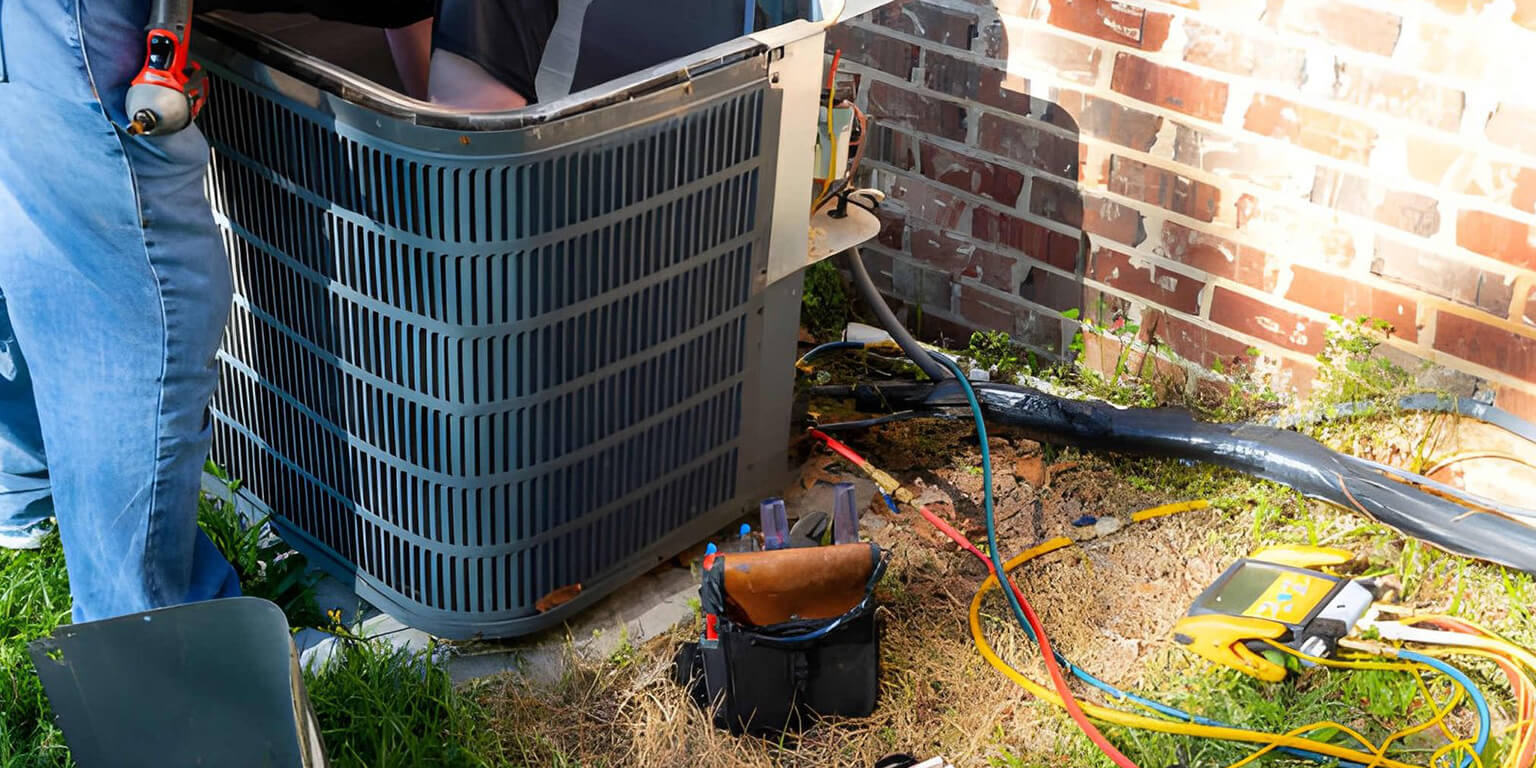
Clogged filters restrict airflow, forcing the fan motor to work harder. Dirty coils reduce the system's ability to transfer heat properly. Low refrigerant levels mean the compressor has to run longer cycles to reach the set temperature. Any one of these issues on its own adds to consumption. All three together can push energy use substantially higher than a well-maintained system running the same hours.
DEWA's own guidance recommends cleaning AC filters at least once a month during summer for exactly this reason. But filter cleaning is the baseline. For the deeper issues — coil condition, refrigerant levels, electrical connections inside the unit — you need a professional service.
Our AC repair and servicing team in Dubai carries out full system checks that address all of these points, not just the surface-level ones.
Peak Load Hours Stack Multiple Appliances at Once
Between 12pm and 6pm during Dubai's summer, DEWA identifies peak load hours when grid demand is at its highest. During this window, the AC is running at its hardest because outdoor temperatures are at their peak.
But it's not just the AC. Most households are also running the washing machine, the dishwasher, the oven, water heaters, and multiple screens simultaneously during parts of this window. That combined draw is what pushes consumption into the higher billing tiers fastest.
The AC alone might sit at a manageable level. But stack it with several other high-draw appliances running at the same time, and the cumulative effect on your bill is meaningful.
Shifting heavy appliance use to early morning or evening hours — before 12pm or after 6pm — doesn't require any changes to your home or your systems. It's a scheduling habit. And for most households, it makes a noticeable difference to where monthly consumption lands across those upper billing slabs.
Your Property May Be Losing Cool Air
An AC working perfectly in a leaky home still works too hard.
If there are gaps around windows or doors, if window seals have degraded over time, or if sun-facing rooms have no shading against direct heat, the indoor temperature rises faster than the AC can manage it. The result is longer and more frequent cooling cycles, higher power draw, and a bigger bill at the end of the month.
This is especially common in older Dubai villas and apartments where window seals and door frames haven't been checked or replaced in years. It's also worth looking at whether sun-facing windows have any kind of shading, because direct solar gain through glass can significantly raise indoor temperatures in rooms that are otherwise well-insulated.
Electrical Faults Add to the Bill Without Showing Any Obvious Sign
This is the one that catches people off guard.
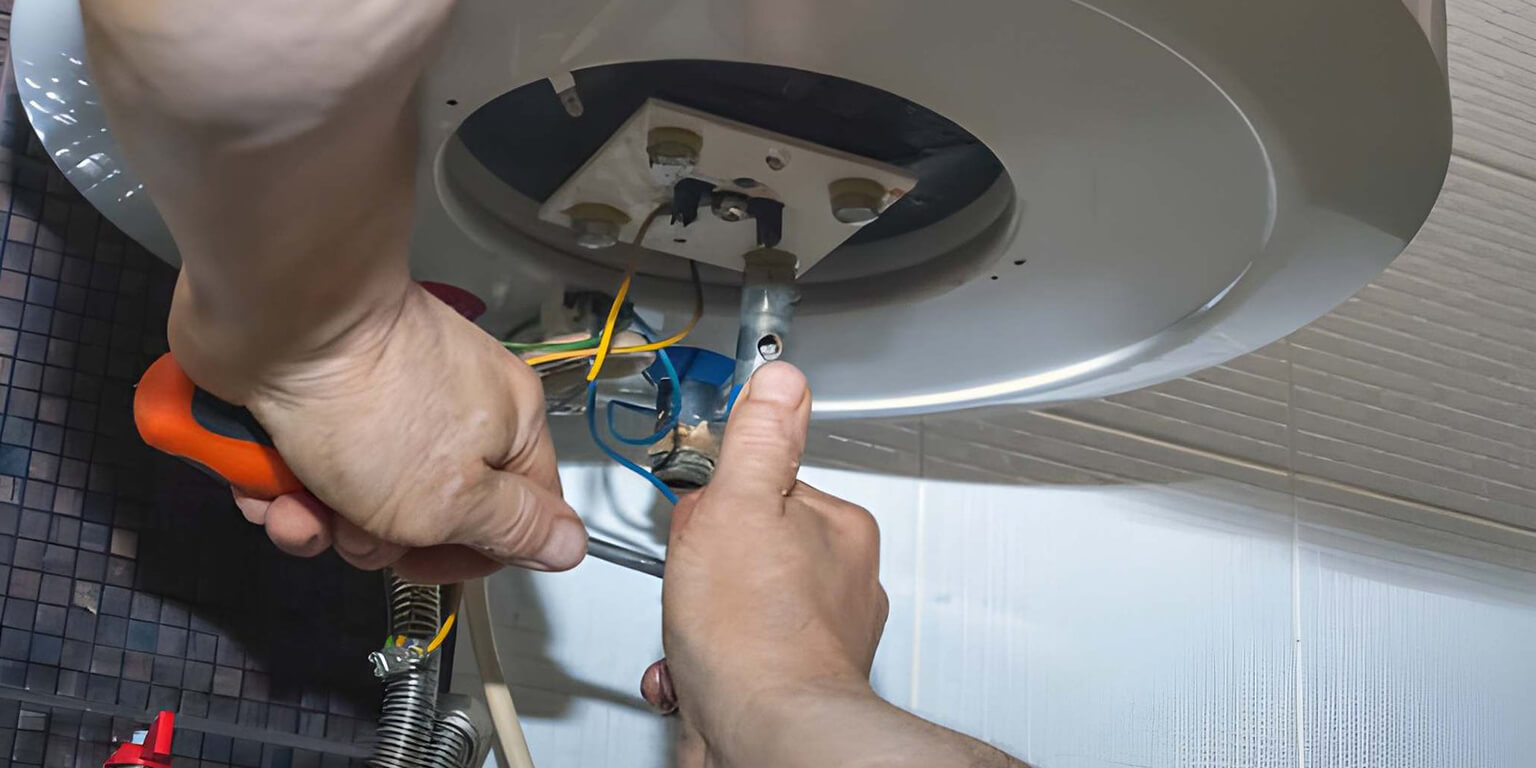
Not every contributor to a high electricity bill is related to the AC. Faulty wiring, loose connections, overloaded circuits, and ageing appliances with degraded components can all increase your home's total power draw in ways that don't produce obvious symptoms. A slightly warm switch plate, a circuit that trips occasionally, lights that flicker once in a while — these are easy to dismiss. But they can indicate underlying electrical issues that are quietly adding to your consumption every day.
If you've looked at your AC usage, you've adjusted your habits, and the bill still doesn't make sense, it's worth having your electrical system checked by a qualified electrician in Dubai. In our experience working across Dubai properties, electrical inefficiencies are a more common hidden contributor to high bills than most homeowners expect.
Our electrical services in Dubai cover full property inspections and fault diagnosis. Every issue found is documented in a written report so you have a clear picture of what's happening inside your walls, not just what's visible on the surface.
Ageing Appliances Draw More Power Than Their Replacements Would
AC gets most of the attention in summer billing conversations, and rightly so. But other appliances matter too.
Refrigerators, washing machines, water heaters, and older air conditioning units that are beyond their optimal lifespan all tend to draw more power than newer equivalents with current energy efficiency ratings. According to ESMA's energy efficiency standards, newer appliances rated at higher efficiency tiers can reduce consumption significantly compared to older models in the same category.
For AC specifically, DEWA notes that units older than ten years should be considered for replacement, as the efficiency loss by that point is often substantial. If your unit is old and your summer bills are high, the unit's age may be contributing more than you'd expect.
Our team handles AC installation and replacement in Dubai across all property types and can advise on what makes practical sense for your specific setup.
It's Rarely Just One Thing
That's the honest answer most people don't hear.
When a summer electricity bill is significantly higher than expected, it's usually a combination of factors working together: the compounding effect of DEWA's tiered tariff, an AC system that's working harder than it needs to because it hasn't been serviced, peak hour appliance use, some heat gain through poorly sealed windows, and possibly a low-grade electrical issue that nobody's looked at yet.
Addressing one of these helps. Addressing all of them makes a real and lasting difference to what you pay every month through the summer period.
If you'd like a professional assessment of your AC system or electrical setup, get in touch with GeeM. We cover all Dubai communities and can arrange a visit that works around your schedule.
Frequently Asked Questions
.svg)
The main reason is AC usage. During summer, air conditioning systems run longer and harder because outdoor temperatures are significantly higher, which increases the temperature differential the system has to overcome. Combined with DEWA's tiered billing structure, where higher consumption pushes you into more expensive rate brackets, the bill can increase more than the raw usage increase would suggest.
DEWA's tariff is based on consumption tiers rather than seasons. But because summer consumption is higher, more of your usage falls into the upper tiers where the per-unit rate is higher. So in effect, you end up paying more per kilowatt-hour on a larger portion of your bill during the summer months.
DEWA identifies 12pm to 6pm as peak load hours during summer. Running high-consumption appliances like washing machines, ovens, and water heaters during this window adds to the total load on the grid and on your bill.
Yes. A clogged filter restricts airflow, which forces the system's fan motor and compressor to work harder to move the same volume of air through the space. Over time, and especially during summer when the system is running long hours, this extra load adds meaningfully to power consumption.
Yes, in some cases. Loose connections, degraded wiring, and overloaded circuits can all cause electrical inefficiency that draws more power than a properly functioning system would. If your bill is unusually high and your AC usage doesn't fully explain it, an electrical inspection is worth considering.
Generally speaking, AC units older than ten years are likely running at reduced efficiency compared to when they were new, even if they're still cooling. Signs include difficulty maintaining the set temperature, more frequent breakdowns, and bills that seem high relative to your usage. DEWA recommends considering replacement for units beyond that age range, particularly if newer energy-rated models are available.
In most cases, having your AC professionally serviced before or during summer makes the biggest difference. A properly maintained system runs more efficiently, draws less power for the same cooling output, and is less likely to develop faults that compound the problem over the season. Pair that with cleaning filters monthly and avoiding heavy appliance use during peak hours, and most households see a meaningful improvement.
Table of content
- Extreme Heat and Overworking
- Poor Maintenance and Dirty Filters
- Incorrect Sizing of AC Units
- Low Refrigerant Levels
Recent Posts

Download our App







© 2026 GeeM.
.svg)