What Affects Apartment Renovation Cost in Dubai?
Post Details
Key Takeaways
- The biggest cost driver is scope. A cosmetic refresh and a full rebuild sit at opposite ends of the scale.
- Wet areas carry the most cost. Moving a kitchen, bathroom, or wall pulls in plumbing, electrical, and approvals.
- Finishes are where budgets swing the most. The same layout can land very differently depending on the materials you pick.
- Building NOCs, permits, and tower access rules are genuine costs, and a lot of quotes quietly leave them out.
- One coordinated team is usually cleaner and more predictable than juggling separate trades yourself.
- No honest number exists without a site visit. A proper itemised proposal beats a headline figure every time.
The short answer, before we get into it
Apartment renovation cost in Dubai comes down to a handful of things: the size of your flat, how much you're changing the layout, the finishes you choose, and the approvals your building needs. A light refresh sits at one end of the range. A full studio-to-home rebuild sits at the other. Everything else is detail.
We get asked about cost more than almost anything else, and we understand why. It's the first thing on your mind and often the hardest thing to pin down. So rather than throw a random figure at you that means nothing until we've seen your space, we'd rather walk you through what actually moves the number. Once you understand the drivers, a quote stops feeling like a mystery and starts making sense.
Here's what shapes the figure.
Size and scope set the baseline
The starting point is simple. How big is your apartment, and how much of it are you touching?
A studio refresh where you repaint, swap the flooring, and update a few fittings is a small job. A three bedroom apartment where every room is stripped back and rebuilt is a different animal entirely. More rooms mean more materials, more labour, and more time on site, and all three feed into the cost.
Scope matters just as much as size, though. You could have a large apartment and only renovate the kitchen, or a compact one bedroom that you gut completely. So when we talk about cost, we're really talking about the amount of work, not just the floor area. A focused single-room project and a whole-home transformation are priced on completely different scales.
If you're weighing up how far to take things, that's worth a proper conversation early. Sometimes doing less, done well, gives you more than spreading a budget thin across every room.
How much you're changing the layout
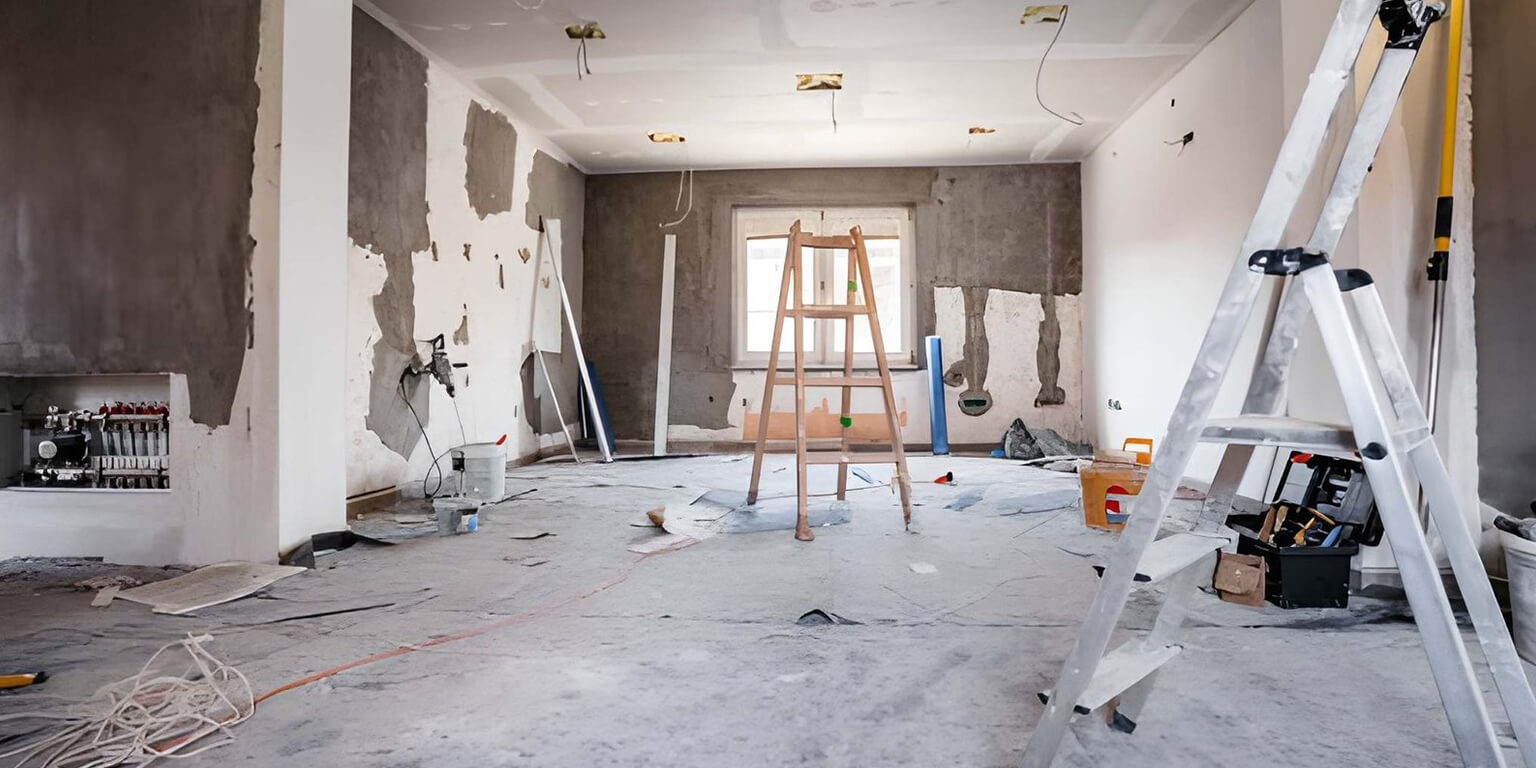
Cosmetic changes are affordable. Structural and service changes are not. That single distinction explains most of the gap between a cheap renovation and an expensive one.
Moving kitchens, bathrooms, and walls
The moment you move a wet area, the cost climbs. Relocating a kitchen sink or shifting a bathroom means new plumbing runs, waterproofing, drainage, and electrical points, and often approvals on top. Keep those elements roughly where they are and you save a lot. Move them across the apartment and you're paying for the plumbing, the electrics, the making-good, and the extra time.
Walls are the same story. Taking down a non-structural partition to open up a living space is usually straightforward. Anything that touches the building's structure is a bigger deal, needs engineering sign-off, and costs accordingly.
The layout you keep is the money you save
Want the simplest way to protect your budget? Work with the layout you already have wherever you can. A smart redesign doesn't always need walls moved. Good storage, better lighting, and the right finishes can transform how an apartment feels without touching a single service line. We plan a lot of projects this way, and clients are often surprised how much changes when the bones stay put.
The finishes and materials you choose
Two identical apartments, the same layout, the same scope, can still cost very differently. Why? Finishes.
This is the part of the budget you have the most control over, and where the range is widest. Flooring runs from practical porcelain to natural stone and engineered timber. Tiling, tapware, and sanitaryware span a huge spread. Paint is one thing, but bespoke joinery, feature walls, and integrated lighting are another.
Custom wardrobes and built-in storage sit right in the middle of this. They're one of the best investments you can make in a Dubai apartment, because they solve the storage problem so many flats have, but the cost depends on the materials, the mechanisms, and how much of it is made to measure.
Kitchens and bathrooms deserve their own mention here. They hold the most services and the most finishes, so they usually carry the biggest share of the budget. If you're planning either as part of a wider project, our approach to a full kitchen renovation and to bathroom renovation work gives you a sense of what's involved beyond the surface.
The trick isn't spending the least. It's spending in the right places. Put your budget where you'll feel it every day, and hold back where you won't notice.
The hidden costs most quotes leave out
Now for the part competitors tend to skip, because it's less glamorous than a mood board.
Renovating an apartment isn't like renovating a villa. You're working inside a shared building with its own rules, and those rules come with real costs and real time. Ignore them in a quote and the number looks great right up until the surprises arrive.
Most residential towers in Dubai require a No Objection Certificate from building management before any works start, and many require your contractor to be registered with them. On top of that, structural, plumbing, or electrical changes usually need approvals from the authorities. You can see the shape of this in Dubai Municipality's building permit procedures, and where services are affected, a DEWA no objection certificate comes into play as well.
Then there's the logistics of a live building. Working hours are restricted. Noisy works are limited to set times. Lifts have to be booked and protected. Waste has to be removed a certain way. None of this is dramatic, but it all takes time, and time is cost.
When we handle apartment renovation in Dubai, we manage these approvals and building requirements as part of the project rather than leaving them for you to chase. That's not just a convenience. It keeps the schedule honest, because approvals that stall are approvals that cost.
Ask yourself this when you compare quotes: does the low number actually include the NOC, the permits, and the tower coordination? If it doesn't, it isn't really the low number.
One team or several? It changes the maths
Here's something that rarely shows up in a price comparison but affects your final figure more than most line items: how the work is organised.
When you hire separate trades, a designer here, a plumber there, a tiler, an electrician, a carpenter, you become the project manager whether you meant to or not. Gaps appear between trades. One waits on another. Someone reworks what someone else did. Every gap is either your time or your money, and usually both.
An in-house team removes those gaps. At GeeM, design, joinery, plumbing, and electrical all sit under one roof, so the sequence is planned once and delivered by people who talk to each other. Fewer handovers means fewer delays, less rework, and a figure that holds closer to the estimate. It's the same joined-up thinking behind our wider renovation and fit-out services, and it's a big reason our quotes tend to survive contact with the actual project.
Coordination is quiet. You only notice it when it's missing.
Why a site visit beats a headline number
You've probably seen renovation companies advertise a price per square foot, or a neat range for a "typical" two bedroom. It's tempting. It's also close to meaningless until someone stands in your apartment.
Every flat has its own quirks. The condition of the existing services, the state of the waterproofing, the age of the building, the developer's fit-out rules, the finishes you've fallen for. A headline number can't see any of that.
So our approach is different. We visit, we assess the space, we understand how you live and what you want, and then we give you a clear, itemised proposal that shows exactly what's included. No vague lump sum. No hidden extras waiting in the wings. You see where the money goes, which means you can make real choices about where to invest and where to hold back.
That transparency is worth more than a cheap-sounding estimate that creeps upward once the work begins. Generally speaking, the quote that looks a little higher but spells everything out is the one that ends up costing less.
Ready to plan your apartment renovation?
If you'd like a real figure for your space instead of a guess, we're happy to help. Book a free consultation and our team will visit your apartment, talk through your ideas and budget, and send you a clear, itemised proposal with nothing hidden. Get in touch with GeeM and let's work out what your renovation actually involves, before you commit to anything.
Disclaimer: This article is for general guidance only and does not replace professional advice. Renovation works involving electrical, plumbing, waterproofing, or structural changes must be carried out by licensed professionals and in line with the requirements of building management, Dubai Municipality, and DEWA. Approvals, scope, and costs vary by property and building, and should be confirmed after an on-site assessment.
Frequently Asked Questions
.svg)
There's no fixed figure, because the cost depends on your apartment's size, the scope of work, and the finishes you choose. A studio refresh and a full three bedroom rebuild sit at very different points on the scale. The most reliable way to get a real number is a site visit followed by an itemised proposal, so you can see exactly what's included before you decide.
Generally yes, a studio usually costs less than a one, two, or three bedroom apartment, simply because there's less floor area, fewer rooms, and less to finish. That said, a heavily reworked studio with premium finishes can cost more than a light refresh of a bigger flat. Scope and finish level matter as much as size.
Kitchens and bathrooms usually carry the most cost, because they involve plumbing, waterproofing, electrical work, and the most fittings. Moving these areas from their original position adds even more, since it brings new service runs and often extra approvals. Keeping wet areas roughly in place is one of the easiest ways to control the budget.
Yes, NOCs, permits, and contractor registration are real costs, and they can affect your timeline too. Most Dubai towers need a building management NOC before works begin, and changes to structure or services usually need authority approvals. A quote that leaves these out isn't showing you the full picture.
Yes, the smartest savings come from keeping your existing layout, focusing your budget on the rooms you use most, and choosing mid-range finishes where they won't be missed. Working with the current position of your kitchen and bathrooms avoids expensive service moves. Good design often adds more value than expensive materials do.
The only accurate quote comes after a site visit, where the contractor assesses your apartment, your existing services, and your finish choices, then gives you an itemised proposal. Online calculators and price-per-foot figures are rough guides at best. If a number arrives without anyone seeing your space, treat it as a starting point rather than a commitment.
Table of content
- Extreme Heat and Overworking
- Poor Maintenance and Dirty Filters
- Incorrect Sizing of AC Units
- Low Refrigerant Levels
Recent Posts


Download our App







© 2026 GeeM.
.svg)