Clinic Fit-Out in Dubai: DHA Compliance & Design
Post Details
Key Takeaways
- A clinic fit-out in Dubai must meet Dubai Health Authority (DHA) facility guidelines before it can be licensed.
- DHA reviews your layout and drawings before construction begins, so the sequence of approvals really matters.
- Clinics need defined zones, infection-control finishes, medical-grade MEP, and accessibility built in.
- Dental and imaging clinics need extra approvals, such as FANR for X-ray equipment.
- Getting the approval chain right is the difference between opening on time and paying rent on an empty, fitted clinic.
Not a Standard Fit-Out
A clinic fit-out in Dubai is the design and construction of a medical facility to meet Dubai Health Authority standards, so it can be licensed to operate. It's very different from a normal commercial fit-out, because DHA reviews your layout against its Health Facility Guidelines before any building starts, and the space must support infection control, patient flow, and medical-grade systems. Get the compliance right, and the design follows.
Opening a clinic is a serious undertaking, and the fit-out is where medical regulations meet real walls and rooms. So let's cover what actually makes a clinic fit-out different, and how to get it approved.
What Makes a Clinic Fit-Out Different?
A shop or office fit-out mainly needs to look good and function well. A clinic has to do all that and satisfy a health regulator.
Everything about a medical fit-out is shaped by rules designed to protect patients: how rooms are laid out, what the surfaces are made of, how air moves, how waste is handled, and how the space controls infection. These aren't design preferences. They're requirements that DHA checks before your facility can be licensed. That's why a medical fit-out costs more and takes more planning than a standard commercial one.
The Approval Chain: DHA, Municipality, and Civil Defence
Here's the part that trips people up, and it's where experience pays off. The approvals happen in a sequence, and getting it wrong costs weeks.
For a clinic in mainland Dubai, the chain generally runs like this. You appoint a DHA-approved design consultant and submit your architectural and MEP drawings to the Dubai Health Authority for review against its facility guidelines. DHA layout approval typically leads to an inactive facility licence. A building or fit-out permit is obtained from Dubai Municipality, a fire safety NOC from Dubai Civil Defence is secured before construction, and only then does the physical fit-out begin. Once built, DHA inspects the finished clinic to confirm it matches the approved plans before the licence is activated.
Miss a step, or run them in the wrong order, and your opening date slips. So who's managing this chain for you? That's one of the most important questions to ask any contractor.
Designing for DHA Compliance
DHA doesn't just approve a pretty layout. It checks that the design supports safe, hygienic care. Here's what that means in practice.
The Right Zones
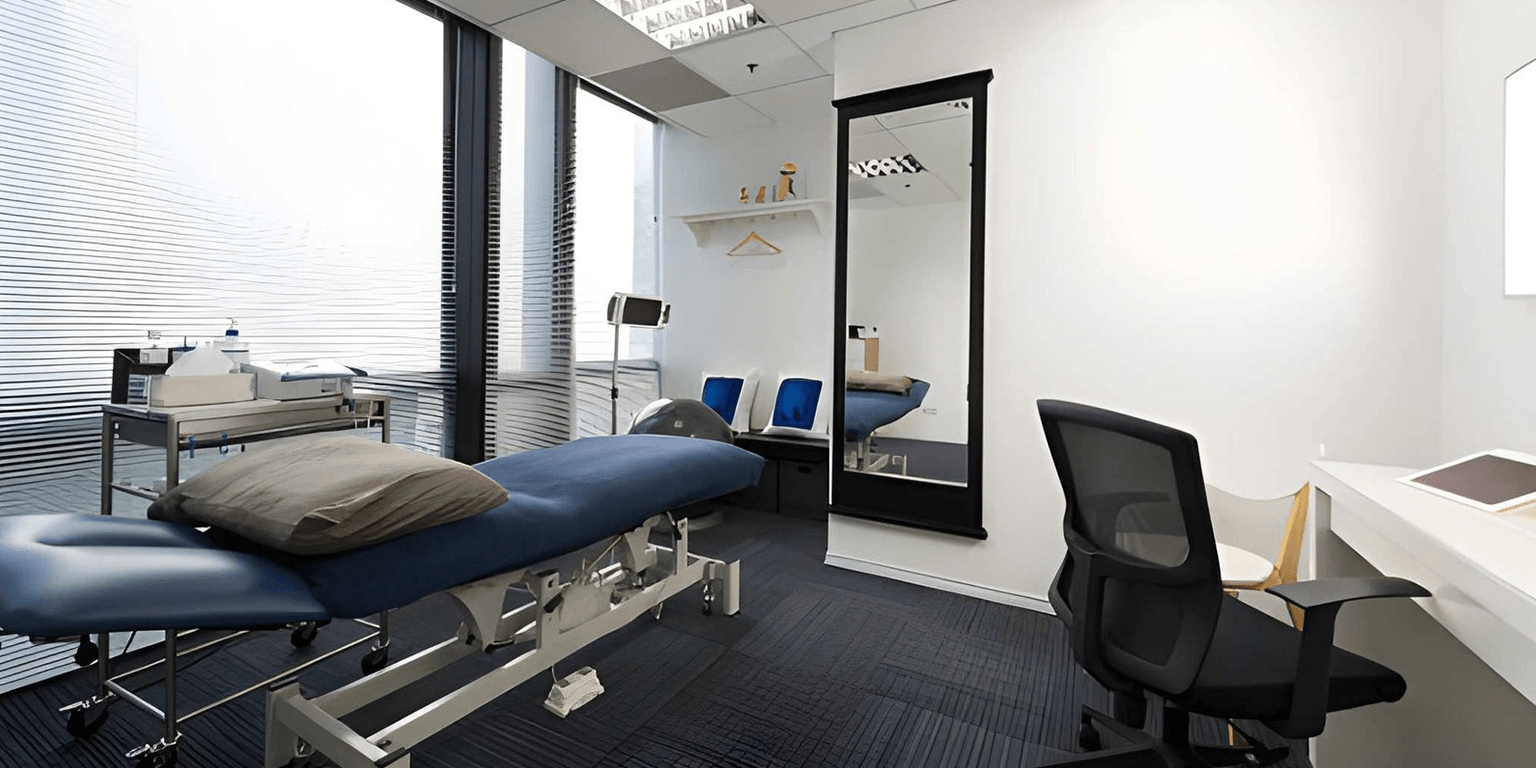
A clinic layout needs clearly defined areas: reception and waiting, consultation rooms, treatment rooms where relevant, sterilisation, and proper storage for clinical and biomedical waste. DHA sets standards for these spaces, including minimum room sizes, so the layout has to be planned around them from the start.
Infection Control Finishes
Surfaces matter in a clinic more than almost anywhere. Walls, floors, and worktops generally need to be non-porous, easy to clean, and often antimicrobial, so they can be properly disinfected. Materials that are fine in an office won't pass in a treatment room.
Patient Flow and Accessibility
Good clinic design guides patients logically from entrance to reception to consultation, while keeping clean and waste areas separated. Facilities must also be accessible to People of Determination, with ramps, clear signage, and enough circulation space for wheelchairs.
Medical MEP: The Hidden Backbone
Behind the finishes sits the part that really separates a clinic from an office. The MEP.
Medical facilities have demanding requirements for air quality, ventilation, and electrical reliability. Clinics often need higher-grade HVAC with redundancy, proper ventilation and air handling for infection control, isolated or backed-up electrical circuits for critical equipment, and medical gas systems where the services require them. This is specialist work, so the certified electrical and MEP work behind a clinic fit-out has to be planned and installed to a far higher standard than a standard commercial job. It's a big reason medical fit-outs cost more.
Specialist Clinics: Extra Approvals
Not every clinic faces the same rules. Some need more.
Dental clinics and imaging centres that use X-ray or other radiation equipment need approval from the Federal Authority for Nuclear Regulation (FANR) for that equipment, on top of the usual approvals. This adds time and specific design requirements, such as radiation shielding. If your clinic involves specialist equipment, factor these extra layers in early, because they affect both the design and the timeline.
Mainland or Free Zone?
Where your clinic sits changes who approves it.
In mainland Dubai, the path runs through DHA for the facility licence and Dubai Municipality for the building permit. In healthcare free zones like Dubai Healthcare City, the free zone's own authority handles aspects of the process instead. Each route has its own rules, benefits, and steps, so knowing which applies to your location before you design saves costly rework later.
Timeline and Cost
Clinic owners always ask two things: how long, and how much? Both depend heavily on your clinic type and location.
The journey from lease to an active facility licence commonly runs several weeks to a few months for a standard clinic, assuming the approvals are managed efficiently and in parallel where possible. Specialist clinics needing FANR approval take longer. On cost, medical fit-outs sit above standard commercial work because of the MEP, finishes, and compliance involved, so a detailed quotation after proper planning beats any rough figure. And remember, every week of delay is rent on a clinic that can't yet treat patients, which is why getting the process right first time matters so much.
Choosing a Healthcare Fit-Out Partner
Medical fit-outs are unforgiving of inexperience, so your choice of partner is critical.
Look for a contractor who understands healthcare requirements, works with DHA-approved design consultants, and can coordinate the full approval chain alongside the build. Ask how they'll manage DHA, Municipality, and Civil Defence approvals, how they handle medical MEP, and how they'll keep you moving towards your licence. We deliver clinic and medical fit-out services in Dubai, managing the design and construction and coordinating the required approvals so your facility is built to the standard DHA expects.
After You Open: Keeping the Clinic Compliant
A clinic's obligations don't end at opening. They continue every day it operates.
Medical facilities run critical systems, from AC and ventilation to electrical and specialist equipment, that need regular servicing to stay safe, compliant, and reliable. Setting up an ongoing facility maintenance plan once you're open keeps everything working and protects the investment you've made in the fit-out. For a clinic, dependable maintenance isn't a nice-to-have. It's part of running safely.
Planning a Clinic Fit-Out in Dubai?
Building a clinic that meets DHA standards and opens on time takes design, construction, and compliance working together. Tell us about your clinic and your space, and we'll help you plan a fit-out that's built for approval from the start, coordinating the design and the authorities every step of the way. Book a free consultation or call 800 4336 to get started.
Disclaimer: This article is for general information only and does not constitute regulatory, legal, or medical-licensing advice. Clinic and medical fit-outs in Dubai are subject to Dubai Health Authority, Dubai Municipality, Dubai Civil Defence, FANR, free zone authorities, and other requirements that vary by facility type and location and change over time. Always work with a licensed contractor and DHA-approved consultant and confirm current requirements with the relevant authorities before starting any clinic fit-out.
Frequently Asked Questions
.svg)
A clinic fit-out in Dubai is the design and construction of a medical facility to meet Dubai Health Authority standards so it can be licensed. It covers the layout, infection-control finishes, medical-grade MEP, and specialist zones a clinic requires. Unlike a standard commercial fit-out, it must be approved by DHA before it can operate.
Yes, the Dubai Health Authority reviews your clinic's architectural and MEP drawings against its facility guidelines before construction begins. DHA layout approval typically leads to an inactive facility licence, and a final inspection confirms the built clinic matches the approved plans. A DHA-approved design consultant is usually required to submit the drawings.
A mainland clinic fit-out typically needs Dubai Health Authority facility approval, a Dubai Municipality building or fit-out permit, and a Dubai Civil Defence fire safety NOC, followed by a final DHA inspection. Dental and imaging clinics also need FANR approval for radiation equipment. Free zones such as Dubai Healthcare City follow their own authority's process.
Clinic fit-outs cost more because of medical-grade MEP, infection-control finishes, specialist ventilation, electrical redundancy, and strict compliance requirements. Materials and systems must meet health standards that ordinary offices don't face. Specialist clinics with imaging or surgical needs carry even higher requirements.
A clinic fit-out and licensing journey commonly takes several weeks to a few months for a standard clinic, depending on the approvals and how efficiently they're managed. Specialist clinics needing FANR approval take longer. Running approvals in parallel where possible helps shorten the overall timeline.
Yes, dental clinics that use X-ray equipment need approval from the Federal Authority for Nuclear Regulation (FANR) for that equipment, in addition to DHA, Municipality, and Civil Defence approvals. This adds time and specific design requirements such as radiation shielding. These should be planned for early in the fit-out.
Table of content
- Extreme Heat and Overworking
- Poor Maintenance and Dirty Filters
- Incorrect Sizing of AC Units
- Low Refrigerant Levels
Recent Posts

Download our App







© 2026 GeeM.
.svg)