Why Is My Water Heater Leaking? A Dubai Guide to Causes and Fixes
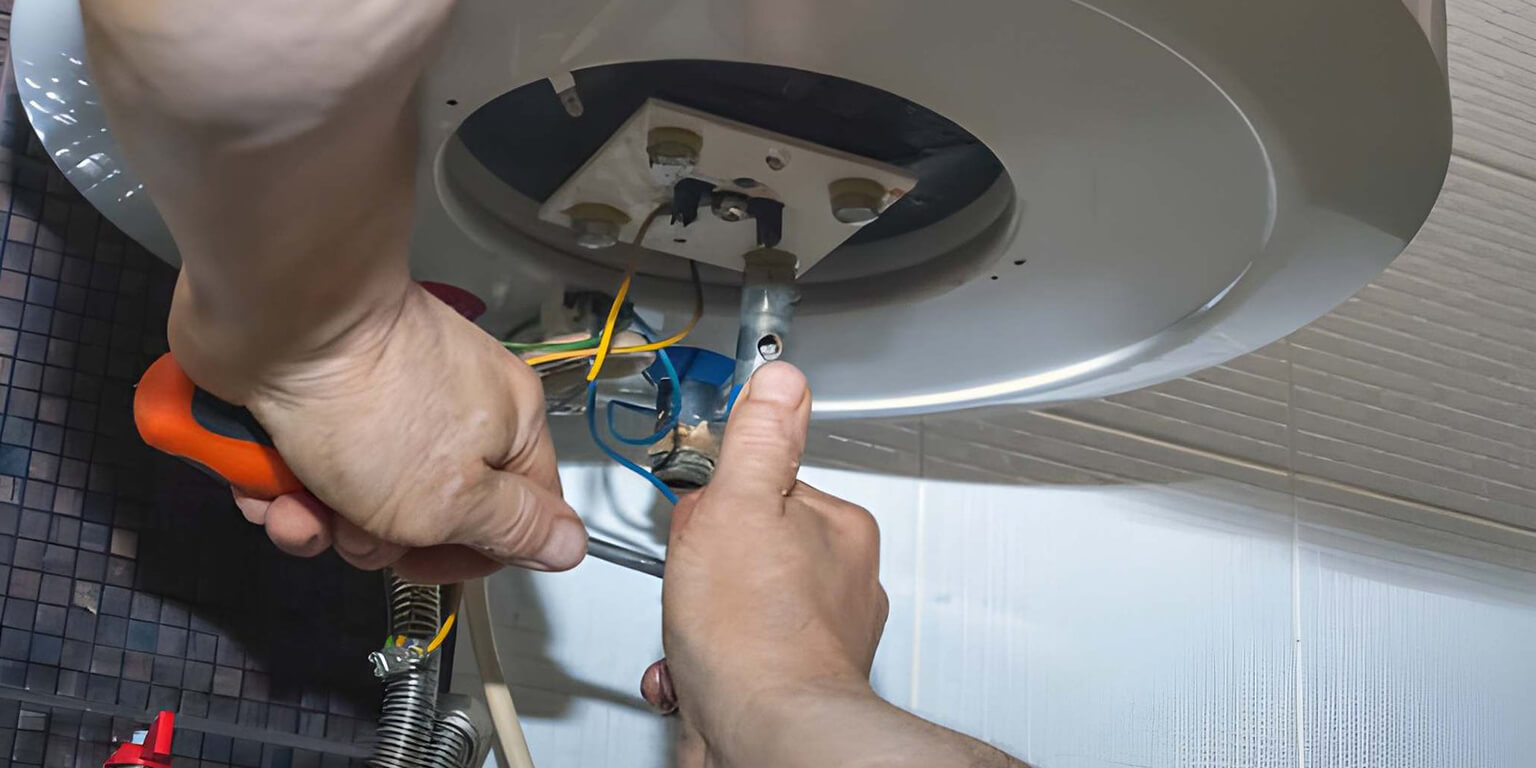
Post Details
Key Takeaways
- Most water heater leaks come from the safety or relief valve, loose or corroded pipe connections, the drain valve, or the tank itself.
- A leak from a valve or fitting is usually repairable. Water coming from the tank body usually means the heater needs replacing.
- A few drops from the safety valve while the heater is warming up can be normal expansion on many models. A steady flow isn't.
- In Dubai apartments, heaters often sit in the false ceiling, so a heater leak can look like an AC leak or a problem from upstairs.
- If you find a leak, switch the heater off at the isolator, close the cold water inlet valve and keep water away from electrics.
- GeeM's published range for major water heater repairs, including leak repair, is AED 600 to 1,200.
The Short Answer
A water heater usually leaks because of a faulty or discharging safety valve, a loose or corroded pipe connection, a worn drain valve, or a tank that has corroded through from the inside. Valve and fitting leaks can normally be repaired, but a leak from the tank body almost always means the heater has to be replaced.
Finding exactly where the water is coming from tells you which one you're dealing with. And in Dubai, that's not always as simple as it sounds, because the heater is often hidden above a ceiling.
What to Do Right Now
Before working out the cause, stop the damage. Water and electricity sit very close together in a water heater.
- Switch the heater off at its isolator switch, usually on the wall outside the bathroom.
- Close the cold water inlet valve that feeds the heater. If you can't find it, close the main water valve for the home.
- Put a bucket or towels under the drip, and move anything electrical away from the water.
- Don't open the heater's cover or touch the wiring.
- Take photos of the leak, any ceiling stains and the heater's label. They help the technician, your landlord and any warranty claim.
If water is dripping onto light fittings or near sockets, switch off the relevant breaker in your DB board as well.
Where Is the Leak Coming From?
Where the water appears is the best clue to what's causing it.
The safety valve
Most electric storage heaters in Dubai have a safety valve fitted to the cold water inlet or a temperature and pressure relief valve on the tank. As water heats, it expands, and the valve releases a little to keep pressure safe. So a few drops during heating isn't necessarily a fault. Check your model's manual, because arrangements vary between brands.
A constant drip or stream is different. It usually means the valve seat is worn or scaled up, the incoming water pressure is too high, or the thermostat is letting the water get too hot. Never plug or cap a relief valve to stop the drip. It's there to stop the tank building up dangerous pressure.
Pipe connections and hoses
Many heaters are connected with braided flexible hoses. Over time, the fittings loosen and the hoses corrode, particularly in humid ceiling voids. These are among the easiest leaks to fix.
The tank itself
Every steel tank has an anode rod, a sacrificial metal rod that corrodes so the tank doesn't. Once it's used up, the tank starts to rust from the inside. When that rust breaks through, water seeps from the bottom or the body of the tank.
A corroded tank can't be patched reliably. It needs replacing.
Is It the Water Heater or Something Else?
This is where Dubai homes are different from most troubleshooting guides.
In a lot of apartments and townhouses, the water heater, the AC indoor unit and the drain pipes all share the same false ceiling. So a wet patch on the ceiling could be any of them, or the flat above.
DEWA notes that ageing and lack of maintenance can cause leaks in taps, pipes, toilet tanks and water heaters, and that water spots on floors, walls and ceilings are a common sign. DEWA also suggests a simple meter test: switch off every water-using device and check whether the meter is still moving.
When the source isn't obvious, our water leak detection and repair service uses thermal cameras and acoustic sensors to trace hidden leaks without breaking open more ceiling or wall than necessary.
Why Water Heaters Leak More in Dubai
A few local conditions speed things up.
Hard water is the big one. Dubai's remineralised desalinated water leaves scale on valve seats, elements and inside the tank. Scale stops valves sealing properly and makes elements run hotter, which puts more stress on the tank. Our guide to limescale and hard water in Dubai homes explains how it builds up.
High pressure matters too, especially in towers and villas with booster pumps. Pressure that's too high for the heater makes the relief valve discharge more often and strains every joint.
Then there's the heat. Ceiling voids get very hot in summer, and rubber washers and seals age faster in them. Heaters that are switched off all summer and back on in the cooler months also go through a big change in temperature and pressure, and that's often when a tired fitting gives way.
Repair or Replace?
If the leak is from a valve, fitting, hose or gasket, and the tank's in good condition, a repair usually makes sense. If the tank itself is leaking, replacement is the only reliable fix.
Here are the ranges we publish for Dubai:
A heater that's old, heavily scaled and leaking from the tank usually isn't worth spending repair money on. We'll tell you plainly if that's the case. The full range of repair and replacement options is on our water heater repair and installation page.
Who Pays: Tenants, Landlords and DEWA
DEWA states that its responsibility covers connections and maintenance up to the water meter, and that internal connections after the meter are the customer's or owner's responsibility. A leaking water heater is on your side of the meter.
If you rent, report the leak to your landlord or property manager in writing straight away, with photos. Who pays usually depends on the tenancy contract and on whether the leak comes from normal wear or from damage. And if water has reached a neighbour's ceiling, tell building management quickly too.
How to Prevent Water Heater Leaks
Book a service at least once a year. Dubai's hard water makes this more important than in softer-water cities.
Have the anode rod checked, and replaced when it's worn.
Ask for the safety or relief valve to be tested during each service.
Replace old braided hoses before they fail.
If your relief valve discharges often, get the water pressure checked.
Keep the access hatch clear so problems can be spotted early.
Our annual water heater and geyser maintenance checklist covers what a proper service includes.
How We Help
Our certified technicians find the source first, whether it's the heater, a fitting, the AC drain or a pipe in the ceiling, and then give you a clear quote before any work starts. We repair and replace electric, gas and solar water heaters across Dubai, including Ariston, Bosch, Rheem, AO Smith and other brands commonly installed here. Our emergency team is available 24/7.
If you've found water where it shouldn't be, book an urgent water heater leak inspection by phone, WhatsApp or our online form.
Disclaimer: This article is general guidance only and isn't a substitute for an on-site inspection. Water heaters combine mains electricity and pressurised hot water, and relief valves must never be blocked or removed. Electrical and plumbing work in Dubai should be carried out by qualified, appropriately licensed professionals. If water is near electrical fittings, switch off the power only if it's safe to do so and get professional help.
Frequently Asked Questions
.svg)
A few drops from the safety or relief valve while the heater is warming up can be normal on many models, because heated water expands. A steady drip or stream isn't normal and usually means a worn valve, high water pressure or overheating, which a technician should check.
A leaking water heater can be dangerous because water may reach electrical parts or wiring nearby. Switch it off at the isolator, close the cold water inlet valve and keep water away from electrics until it's been checked.
A leaking water heater can usually be repaired if the leak comes from a valve, fitting, hose or gasket. If the water is coming from the tank itself, the heater normally needs replacing because a corroded tank can't be fixed reliably.
Fixing a leaking water heater in Dubai typically costs AED 600 to 1,200 for a major repair such as leak repair. If the tank has failed, a new electric heater costs AED 800 to 2,000 installed.
A water heater leaking from the bottom is usually caused by a loose or worn drain valve, or by the tank corroding through from the inside. A drain valve can be replaced, but a corroded tank means the heater needs replacing.
Table of content
- Extreme Heat and Overworking
- Poor Maintenance and Dirty Filters
- Incorrect Sizing of AC Units
- Low Refrigerant Levels
Recent Posts

Download our App







© 2026 GeeM.
.svg)