Water Heater and Geyser Maintenance Tips for Dubai Homes
Post Details
Why This Isn't the Same as Maintaining a Water Heater Anywhere Else
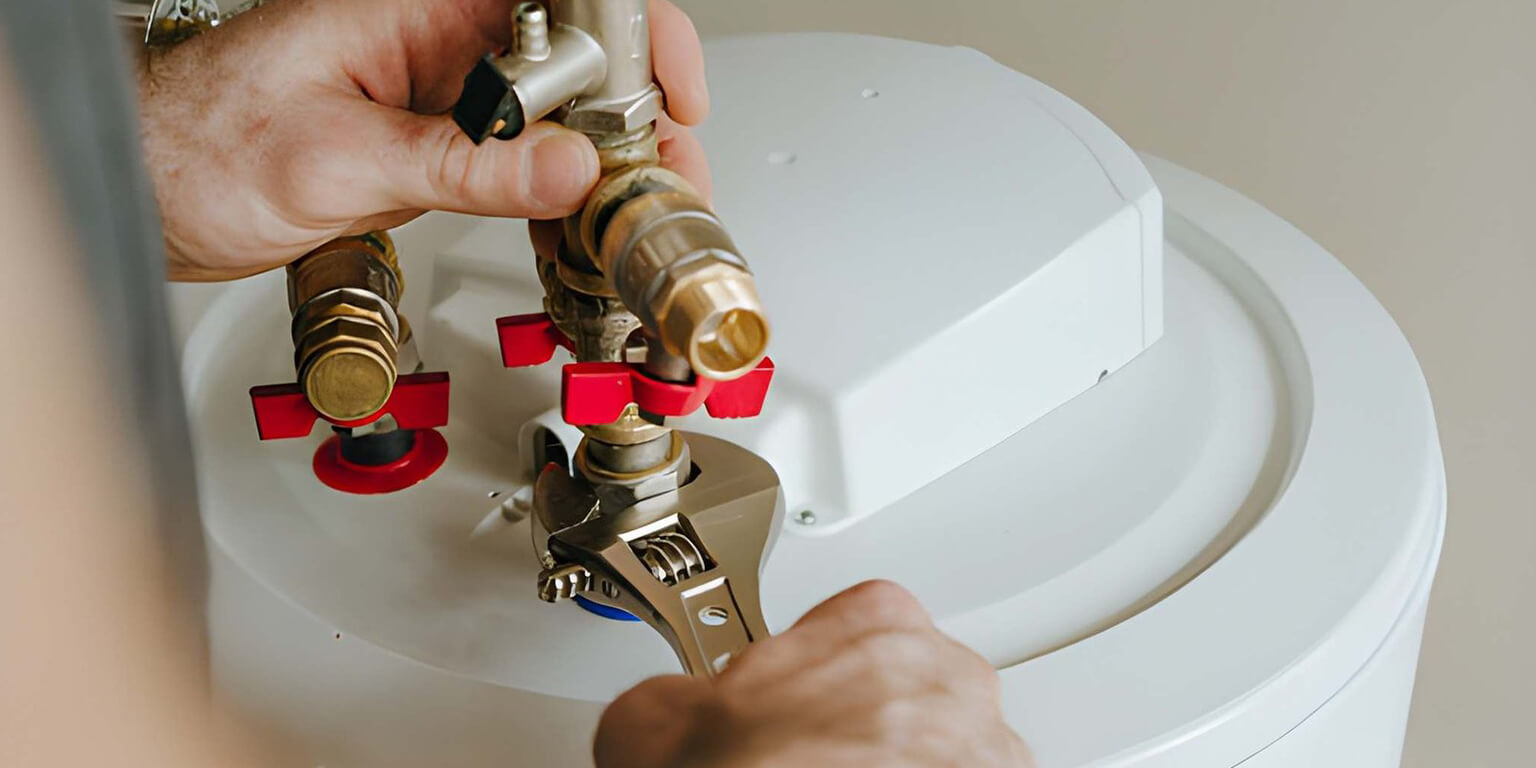
Keeping a water heater running well in Dubai means flushing sediment regularly, checking the anode rod, testing the pressure relief valve, and servicing it at least once a year, twice for gas units, because heat and hard water wear these systems down faster here than in milder climates. That's the short version. The reason it needs saying at all is that most generic maintenance guides are written for places where the water heater isn't fighting extreme heat and mineral-heavy water every single day.
We service a lot of these units across Dubai, and the same few issues show up again and again. Sediment building up faster than expected. Anode rods that should've been replaced a year earlier. Heaters running twenty-four hours a day because nobody ever adjusted the thermostat after installation. None of it is complicated once you know what to look for.
Key Takeaways
- Dubai's heat and hard water shorten a water heater's working life faster than in cooler, softer-water climates, which is why local servicing schedules run tighter than generic advice suggests.
- Electric water heaters generally need servicing at least once a year; gas units need it twice.
- The anode rod is a sacrificial piece of metal that corrodes so your tank doesn't. Skip replacing it and the tank corrodes instead.
- Storing hot water above 60°C helps control bacterial growth, according to CDC guidance on potable water systems, though a mixing valve keeps the water leaving the tap safe to touch.
- Gas cylinders can't legally be stored inside residential units in Dubai, so a gas water heater here should be connected to piped gas, not a cylinder sitting next to it.
- Rust-coloured water, popping sounds, or a puddle at the base of the unit are signs worth acting on immediately, not waiting out.
Why Dubai's Climate Is Harder on a Water Heater Than You'd Think
Heat, hard water, and near-constant use. That's the combination working against every water heater in this city, and it's worth understanding why.
Extreme ambient heat means these units often run for longer stretches to compensate for external temperatures, and components inside age faster under that kind of sustained thermal stress. Hard water, meanwhile, deposits mineral scale on heating elements and along the bottom of the tank, and scale is a genuinely effective insulator, which means your heater works harder and burns more energy to heat the same amount of water. Add constant daily use across a household, and you've got a system quietly degrading well before most people think to check on it.
How Often Should You Actually Get One Serviced?
Once a year for electric water heaters, at minimum. Twice a year if you're running a gas unit, since gas systems carry additional combustion and ventilation components that need their own inspection. If you've never had yours serviced and you're not sure how old it is, that's usually a sign it's overdue rather than fine.
Descaling and Sediment Flushing
Sediment settles at the bottom of the tank over time, and in a city with the kind of water we've written about before in our piece on hard water in Dubai, that buildup happens quicker than most people expect. A full flush drains the tank and clears out accumulated sediment, restoring efficiency and reducing the strange rumbling or popping noise a heavily scaled unit sometimes makes.
Do this yourself if you're comfortable with it, following the manufacturer's shutdown and drain procedure carefully. Most homeowners, understandably, just book it in as part of a regular service instead.
The Anode Rod Nobody Thinks About
Here's a component almost no one outside the trade knows exists. Inside most tank-style heaters sits a metal rod, magnesium or aluminium, whose entire job is to corrode instead of your tank. It's called sacrificial for a reason.
Once that rod is fully corroded, the tank itself becomes the next thing exposed to corrosion, and that's a far more expensive problem to fix than swapping a rod. Checking it during an annual service is one of the cheapest ways to add years to a heater's working life.
Testing the Pressure Relief Valve
This one is genuinely a safety component, not just a maintenance nicety. The pressure relief valve exists to release pressure if it builds up beyond safe limits inside the tank, and a stuck or failed valve is one of those quiet risks that doesn't announce itself until something goes wrong. Testing it periodically, part of any proper service visit, confirms it's actually going to work if it's ever needed.
Getting the Temperature Right
Most manufacturer guides suggest somewhere around 49°C as a reasonable default. But there's a health angle here that rarely gets mentioned in general maintenance articles.
The CDC's guidance on controlling Legionella in potable water systems recommends storing hot water above 60°C, while keeping circulating water no lower than 49°C, since bacteria like Legionella grow far more readily in water that sits at lukewarm temperatures for extended periods. Storage tanks that sit unused for stretches, think a spare bathroom or a rarely visited guest suite, are exactly where this matters most.
Does that mean you should crank your thermostat as high as it'll go? No, and this is the balance worth striking. Water above roughly 49°C at the tap can scald skin in seconds, particularly for children or older residents. The practical answer is storing water hot enough to control bacterial growth while using a mixing or tempering valve to bring what actually comes out of the tap down to a safe, comfortable temperature. It's a detail worth asking your technician about specifically, since not every installed system has one.
Gas Water Heaters: What's Actually Different
Gas units need everything electric ones need, flushing, anode checks, valve testing, plus attention to the burner assembly, ventilation, and gas connection itself. This is where we'd flag something Dubai homeowners genuinely need to know and most articles skip entirely.
Dubai Municipality's technical guidelines are explicit that filled LPG cylinders cannot be stored in residential areas. In practice, that means a gas water heater in a Dubai home should be connected to a proper piped gas supply, not fed by a cylinder kept somewhere in the unit. If you've got an older setup and you're not sure which one you have, that's worth having checked, not guessed at.
Solar Water Heaters Sit in a Different Category
Solar systems bring their own maintenance considerations, panel efficiency, tank insulation, backup heating elements, that go beyond what we've covered here for standard electric and gas units. If solar is what you're running, our solar water heater servicing in Dubai covers that side specifically.
Warning Signs Worth Acting On
A few things shouldn't wait for the next scheduled service. Rust-coloured or discoloured water coming from the hot tap. Popping, rumbling, or knocking sounds from the tank, usually a sign of heavy sediment buildup. Water that's inconsistently hot, sometimes fine, sometimes lukewarm, for no clear reason. And any visible puddle or dampness around the base of the unit, which almost always means a leak somewhere that isn't going to fix itself.
Catch these early and you're usually looking at a straightforward repair. Ignore them and you're looking at a full replacement, which costs considerably more.
A Simple Schedule You Can Actually Stick To
Realistically, most households do fine with this rhythm: an annual full service for electric units (twice yearly for gas), a visual check every few months for obvious leaks or discolouration, and immediate attention the moment any of the warning signs above show up. It's not complicated. It just needs to actually happen, rather than getting pushed back year after year.
How We Handle Water Heater Maintenance
Our service visits cover tank flushing, anode rod inspection, thermostat calibration, and pressure relief valve testing as standard, across electric, gas, and solar systems. Repairs typically fall somewhere between AED 200 for smaller fixes and AED 1,200 for more involved work, with full installation running from roughly AED 800 up to AED 4,500 depending on the system type, and we quote upfront before any work starts rather than after. If your unit is overdue for a proper check, or you're not entirely sure how old it is, our water heater repair and maintenance service in Dubai covers assessment through to repair or replacement.
For households that would rather not track service dates themselves, folding water heater checks into a broader AMC plan in Dubai means it happens on schedule without you having to remember it. And if a maintenance visit uncovers a plumbing issue beyond the heater itself, our plumbing services in Dubai team handles that as part of the same visit rather than a separate callout.
Ready for a Proper Water Heater Check?
If it's been a while since your water heater was actually looked at, or you're dealing with any of the warning signs we've covered here, it's worth getting it checked before a small issue turns into a bigger one.
Get in touch with our team to book a water heater service or ask a question about your specific system.
Frequently Asked Questions
.svg)
Electric water heaters should generally be serviced at least once a year, while gas units need servicing twice a year due to their additional combustion and ventilation components. Dubai's heat and hard water make sticking to this schedule more important than in milder climates.
Most manufacturers recommend around 49°C at the tap for everyday use, though health guidance recommends storing water above 60°C to help control bacterial growth in the tank itself. A mixing or tempering valve allows the stored water to stay hotter while what actually reaches the tap remains safe to touch.
That sound is almost always caused by sediment buildup at the bottom of the tank, which traps water underneath and causes it to bubble as it heats. A full flush during a service visit usually resolves it.
An anode rod is a sacrificial metal rod inside the tank that corrodes first so the tank itself doesn't. Once the rod is fully corroded, the tank becomes exposed to corrosion instead, which shortens the unit's overall lifespan significantly.
No, filled LPG cylinders are not permitted to be stored in residential areas under Dubai Municipality's technical guidelines. A gas water heater in a Dubai home should be connected to a proper piped gas supply rather than a stored cylinder.
Lifespan varies by system type, water quality, and how consistently it's maintained, so there's no single fixed number that applies to every household. Regular servicing, particularly anode rod checks and descaling, is the single biggest factor in getting the longest realistic life out of a unit here.
It depends on the age of the unit, the extent of corrosion, and how the repair cost compares to a full replacement, so this is best assessed case by case rather than assumed either way. A technician checking the tank condition directly, not just the symptom you're noticing, gives the more reliable answer.
Table of content
- Extreme Heat and Overworking
- Poor Maintenance and Dirty Filters
- Incorrect Sizing of AC Units
- Low Refrigerant Levels
Recent Posts
Download our App







© 2026 GeeM.
.svg)