Hidden Cost of Ignoring Gate Barrier Maintenance Dubai

Post Details
Key Takeaways
- Skipping gate barrier maintenance doesn't save money. It delays costs while making them significantly larger when they eventually arrive
- Motor failure, control board replacement, and boom arm damage are the most expensive reactive repairs, all of which are largely preventable with scheduled servicing
- Dubai's extreme heat, UV exposure, and dust accelerate component wear faster than most property managers account for when planning maintenance budgets
- An unmaintained barrier gate creates real security vulnerabilities, not just operational inconvenience
- Downtime at a barrier entry point has direct operational and reputational consequences for residential compounds and commercial properties
- Barrier systems that haven't been serviced regularly typically fail years before their expected service life, turning a one-time capital investment into a repeated cost
- An Annual Maintenance Contract is almost always cheaper than two emergency callouts and a motor replacement within the same twelve-month period
Nobody plans to neglect their gate barrier system. It just happens. The barrier works, other maintenance priorities come up, the service call gets pushed back, and six months later it gets pushed back again. Then one morning the boom arm stops mid-operation during peak entry hours and a queue builds up outside the compound.
That's the version of this story most property managers eventually experience. But the costs of deferred barrier maintenance don't start on the day the system stops working. They build up quietly, well before any visible failure, and they're worth understanding properly before you find yourself on the wrong side of an emergency repair bill.
What Actually Happens When Maintenance Gets Skipped
Gate barrier systems are mechanical and electronic systems running in one of the world's most demanding climates. Dubai's summer temperatures regularly exceed 45°C. UV exposure is intense for most of the year. Dust and sand work their way into any gap in housing seals. And the thermal cycling between scorching daytime heat and cooler nights puts repeated stress on electrical connections, motor windings, and control board components.
In a cooler, cleaner environment, a well-installed barrier might go eighteen months or more without needing attention. In Dubai, that same system needs more frequent servicing simply because the environment is harder on every component.
When maintenance doesn't happen, here's what's actually occurring inside the system:
Motor lubricant breaks down faster under heat, increasing friction and wear on motor components. Photocell lenses accumulate dust, causing false obstruction readings that stress the control board with repeated open and close commands. Boom arm pivot joints lose lubrication, making the motor work harder on every cycle. Control board capacitors degrade in high-temperature conditions, increasing the chance of erratic behaviour or outright failure. Electrical connections develop micro-corrosion that increases resistance and heat generation in the wiring.
None of this is visible from the outside. The barrier keeps working, often for quite a while, while the degradation compounds underneath. And then it stops.
The Real Costs: Breaking Down What You Actually Pay
Emergency Callout Costs
When a barrier fails outside of business hours, or during peak access times when a queue is forming and residents are calling, it's an emergency callout situation. Emergency service visits cost considerably more than scheduled maintenance visits for the same work. The technician time is the same, but the urgency premium, out-of-hours rates where applicable, and the disruption cost to property operations all add up.
For a single emergency callout that could have been avoided with a scheduled service, the cost difference is typically significant. Multiply that across two or three incidents in a year, which is common once a neglected system starts failing, and the saving from skipping maintenance disappears quickly.
Motor Replacement
A barrier motor that's been running without proper lubrication and servicing wears significantly faster than one that's been maintained. What might last eight to ten years under a proper maintenance schedule can fail in three to four years without it. Motor replacement involves parts cost, labour, and in many cases some downtime while parts are sourced.
FAAC's technical documentation on barrier system maintenance emphasises that motor duty cycle ratings assume the system is operating with properly maintained mechanical components. When those components are worn or poorly lubricated, the motor operates under higher load than it was rated for, shortening its lifespan accordingly.
Control Board Failure
Control board replacement is one of the more expensive barrier repairs. Boards are specific to the barrier model and brand, which means sourcing time varies depending on local parts availability. A board failure can also be difficult to diagnose without specialist equipment, which means diagnostic time is added to the repair bill before any parts are even ordered.
Control boards in unmaintained systems are exposed to sustained heat, potential moisture ingress from degraded housing seals, and voltage irregularities from connections that have developed corrosion. Any of these can shorten board life. And unlike a motor that gives warning signs before failing completely, control boards often fail suddenly.
Boom Arm Damage
An unmaintained barrier is more likely to close on a vehicle because safety sensors that haven't been serviced can fail to detect obstructions reliably. When a boom arm strikes a vehicle, the arm itself may crack or bend, the motor may sustain damage from the sudden load, and the property may face a claim from the vehicle owner.
Boom arm replacement is straightforward. The associated liability for vehicle damage is considerably less predictable.
The Security Cost Nobody Talks About
An unmaintained barrier gate doesn't just create operational risk. It creates security risk.
A barrier that's staying open because the detection loop is faulty is no longer controlling access. Anyone can drive through without authentication. For a residential compound or secured commercial facility, that defeats the entire purpose of having the system installed in the first place.
A barrier that's stuck closed, or that won't open reliably for authorised vehicles, creates a different problem: residents or staff start propping it open or finding workarounds that leave the property permanently unsecured.
Neither situation is acceptable for a property where controlled vehicle access is a security requirement. And both are far more likely to occur in a system that hasn't been properly maintained.
The British Security Industry Association's guidance on automated access control systems consistently highlights that maintenance frequency directly affects both the reliability and the security effectiveness of barrier systems. A barrier that's physically present but functionally unreliable isn't providing the security value it was installed to deliver.
How Dubai's Climate Makes This Worse
Most property managers understand that Dubai is hard on equipment in a general sense. What's less commonly appreciated is exactly how much faster component degradation happens here compared to more temperate climates.
Photocell sensors designed and tested in European conditions may be rated for operating temperatures up to 55°C or 60°C. During a Dubai summer afternoon, ambient temperatures around barrier hardware exposed to direct sun can approach or exceed that range. Add internal heat from motor operation, and the thermal environment inside the barrier housing is more demanding than the rated conditions for some components.
Dust intrusion is a separate factor. Fine desert dust works into housing gaps that would effectively exclude rain or insects in other environments. Once inside the housing, it settles on circuit boards, accumulates on moving parts, and blocks ventilation channels that the motor and control board depend on to dissipate heat.
Summer servicing is something we build into our maintenance visits specifically because of these factors. A service visit in May or early June, before peak temperatures arrive, catches heat-related component stress before it turns into a failure during the hottest months of the year. That timing matters more for Dubai barrier systems than it would for the same system in a cooler location.
What Does a Proper Maintenance Visit Actually Cover?
This is worth spelling out, because "maintenance" means different things in different contexts and some service visits are more thorough than others.
A proper gate barrier maintenance visit should cover:
- Motor health check including load testing and lubrication
- Control board inspection and any available diagnostic checks
- Photocell cleaning, alignment verification, and sensitivity testing
- Vehicle detection loop testing to confirm accurate presence detection
- Boom arm pivot and mechanical joint inspection and lubrication
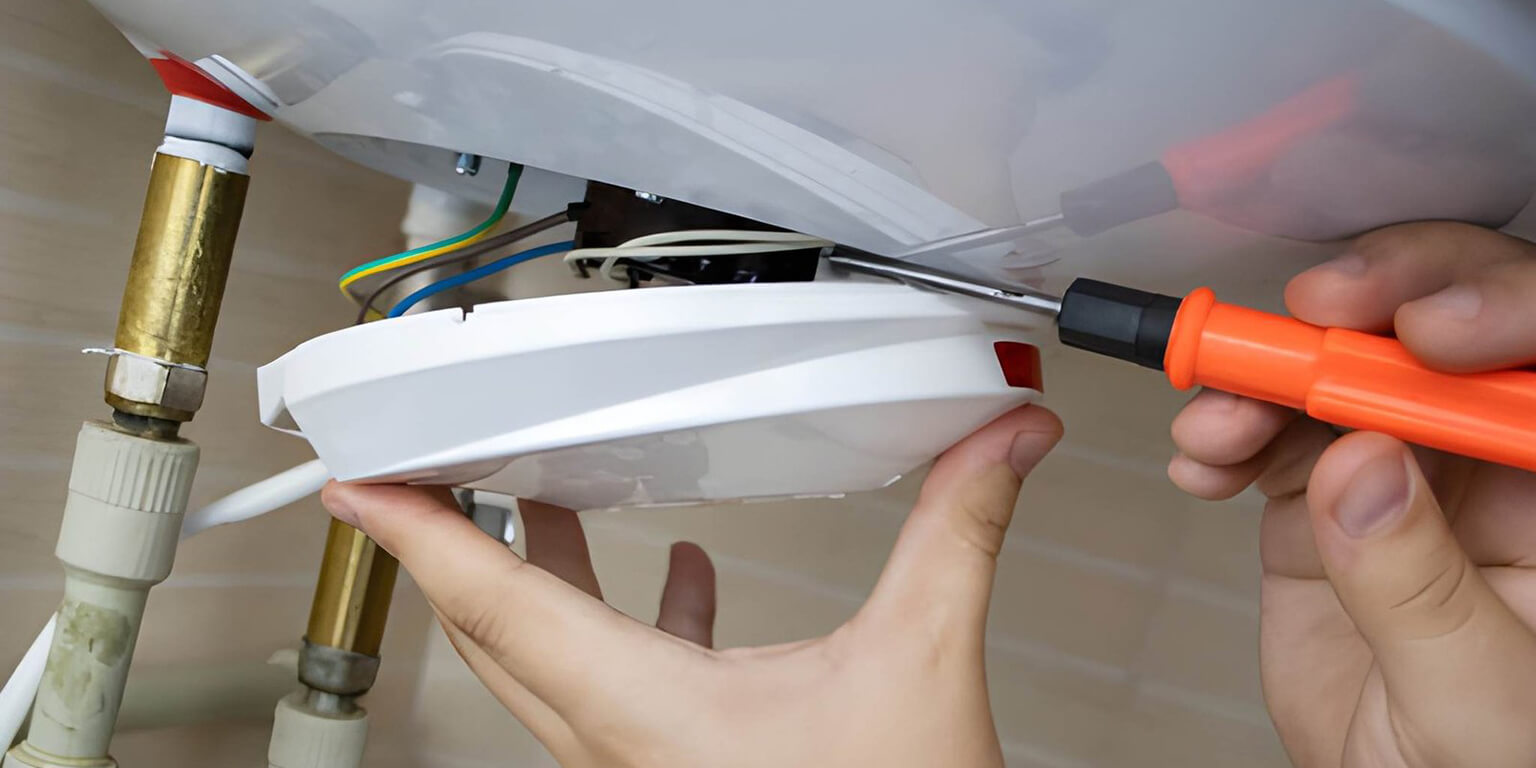
- Electrical connection checks for corrosion or loosening
- Housing seal inspection for dust or moisture ingress
- Software and firmware checks where applicable
- Full operational test across multiple open and close cycles under observation
A visit that only involves a quick visual check and a wipe-down isn't delivering the maintenance value that keeps a system reliable. When reviewing any maintenance contract for your barrier system, it's worth asking specifically what each visit covers.
Our gate barrier maintenance service in Dubai covers all of the above as standard. And because we work across a wide range of property types as a property maintenance company in Dubai, our engineers carry the diagnostic equipment and common spare parts needed to address minor faults during the same visit rather than scheduling a return trip.
The AMC Comparison: Scheduled Cost vs Reactive Cost
Let's be direct about the financial comparison.
An Annual Maintenance Contract for a gate barrier system covers scheduled visits, all the checks listed above, and typically includes priority response for faults between visits. The annual cost of an AMC is in most cases less than a single emergency motor replacement, and significantly less than two emergency callouts plus a control board replacement in the same year.
Properties that operate without a maintenance contract don't save that AMC cost. They redirect it into reactive repair bills that are larger, less predictable, and arrive at worse times. The barrier that fails on a busy Friday morning costs more to fix than the one that gets serviced on a quiet Tuesday.
Our Annual Maintenance Contract covers gate barrier systems either as standalone contracts or as part of broader property maintenance agreements that include other building systems. For building managers looking after multiple systems, the combined contract approach often delivers better value than separate service arrangements for each system.
For villa community and residential compound managers, gate barrier reliability is directly tied to resident satisfaction. An entry barrier that works every time is infrastructure residents expect. One that fails regularly damages confidence in building management more broadly, and that reputational cost is harder to put a number on than a repair bill but is just as real.
Stop Reacting and Start Maintaining
Get Your Gate Barrier on a Proper Service Schedule
If your barrier system hasn't been serviced in the last six months, or if you're currently dealing with a barrier that's showing early signs of trouble, the most cost-effective step you can take right now is booking an inspection before the problem becomes a failure.
Contact GeeM today to arrange a barrier inspection or discuss an Annual Maintenance Contract for your property. Call us toll-free on 800 4336 or reach us directly on WhatsApp. We cover all areas across Dubai and can arrange visits for both urgent situations and scheduled assessments.
Frequently Asked Questions
.svg)
In Dubai's climate, gate barrier systems should be serviced at least twice a year, with many high-traffic installations benefiting from quarterly visits. The heat, dust, and UV exposure here accelerate component wear faster than in cooler environments, so the standard European recommendation of annual servicing is generally not sufficient for UAE-based systems.
Without regular maintenance, motor lubrication breaks down, photocell sensors accumulate dust and misalign, control board components degrade under heat, and mechanical joints wear without lubrication. Over time this leads to unreliable operation, unexpected failures, shortened system lifespan, and repair costs that significantly exceed what scheduled maintenance would have cost.
In most cases, yes. An Annual Maintenance Contract covers scheduled servicing, priority breakdown response, and systematic component checks that catch problems before they cause failures. The annual cost of an AMC is generally less than a single emergency motor or control board replacement, making it cost-effective for any property with a permanent barrier installation.
Basic tasks like cleaning photocell lenses and checking for visible obstructions can be done by a building manager or maintenance team member. But motor servicing, control board diagnostics, detection loop testing, and electrical connection checks require specialist equipment and trained engineers. Attempting these without the right tools and knowledge risks causing additional damage.
Common signs include the barrier moving slower than usual, making louder or unfamiliar sounds during operation, stopping mid-cycle without an obvious obstruction, responding inconsistently to access credentials, or displaying error codes or warning lights on the control unit. Any of these is a prompt to book a service visit rather than wait for a complete failure.
Sustained high temperatures accelerate the breakdown of motor lubricants and degrade control board components including capacitors. Fine desert dust penetrates housing gaps and settles on circuit boards and moving parts. UV exposure degrades external housing materials and cable insulation over time. Together these factors make Dubai-based barrier systems wear faster than the same systems in cooler, cleaner environments, which is why maintenance frequency needs to reflect local conditions.
A thorough maintenance contract should cover motor health checks and lubrication, control board inspection and diagnostics, photocell cleaning and alignment, vehicle detection loop testing, mechanical joint lubrication, electrical connection checks, housing seal inspection, software checks where applicable, and full operational testing. It should also include priority breakdown response between scheduled visits.
Table of content
- Extreme Heat and Overworking
- Poor Maintenance and Dirty Filters
- Incorrect Sizing of AC Units
- Low Refrigerant Levels
Recent Posts

Download our App







© 2026 GeeM.
.svg)