Why a DEWA-Registered Electrician in Dubai Matters
Post Details
Key Takeaways
- A DEWA-registered electrician in Dubai is one who works for a contractor enrolled with DEWA and holds a DEWA competency licence. For most electrical work in Dubai, this isn't a nice-to-have. It's the requirement.
- DEWA sets and enforces the electrical standards for the whole emirate, and it enrols the contractors allowed to work to them.
- Work involving new connections, added circuits or main distribution board changes needs DEWA inspection and sign-off, which is only possible when an enrolled contractor did the job.
- Unapproved electrical work can create real problems: failed inspections, complications with property insurance after an incident, and liability that can land on the property owner.
- A general handyman is not a substitute for a licensed electrician on anything touching your panel or main wiring.
- Always ask to see the contractor's DEWA enrolment and the electrician's competency credentials before work starts. A proper company hands them over without fuss.
The Short Version, Before the Details
A DEWA-registered electrician in Dubai is a qualified electrician working under a contractor that DEWA has enrolled and approved, holding a competency licence issued by DEWA itself. It matters because DEWA regulates all electrical work in the emirate, and most installation, modification or testing work legally has to be done by an approved contractor, not a general handyman.
That's the answer. Now here's why it's worth understanding properly, because the consequences of getting it wrong are the kind you only discover at the worst possible moment.
Electricity is unforgiving. In Dubai's heat, with the loads a modern villa or apartment carries, a bad connection or an overloaded circuit isn't a small mistake. It's a fire risk. DEWA's registration system exists to keep unqualified hands off the parts of your property where those mistakes happen.
We run electrical work for homes and businesses across Dubai, so this is a subject we take seriously. Let's walk through what registration actually means and where it matters most.
What "DEWA-Registered" Actually Means
The phrase gets thrown around loosely, so let's be precise. There are two layers to it.
The contractor is enrolled with DEWA. DEWA maintains a system of enrolled electrical contractors and consultants, and only enrolled parties can carry out and submit certain categories of electrical work in the emirate. You can see this built into DEWA's own processes: obtaining an electricity connection requires an assigned enrolled contractor. No enrolment, no connection.
The individual holds a competency licence. Under DEWA's regulations, an electrical contractor must have staff who hold a valid competency licence issued by DEWA, and those individuals are responsible for supervising and testing the work. The licence isn't a certificate you buy. It's issued to people who can understand and apply DEWA's wiring regulations, which DEWA publishes and updates through its official circulars and regulations.
So "DEWA-registered" is really shorthand for two things at once: an approved company and a qualified person inside it. Both need to be true.
A logo on a website is not proof of either. Ask for the actual enrolment and the competency credentials.
What Work Actually Needs a Registered Electrician?
Not every task in your home rises to this level. Swapping a lightbulb doesn't need a licensed contractor. So where's the line?
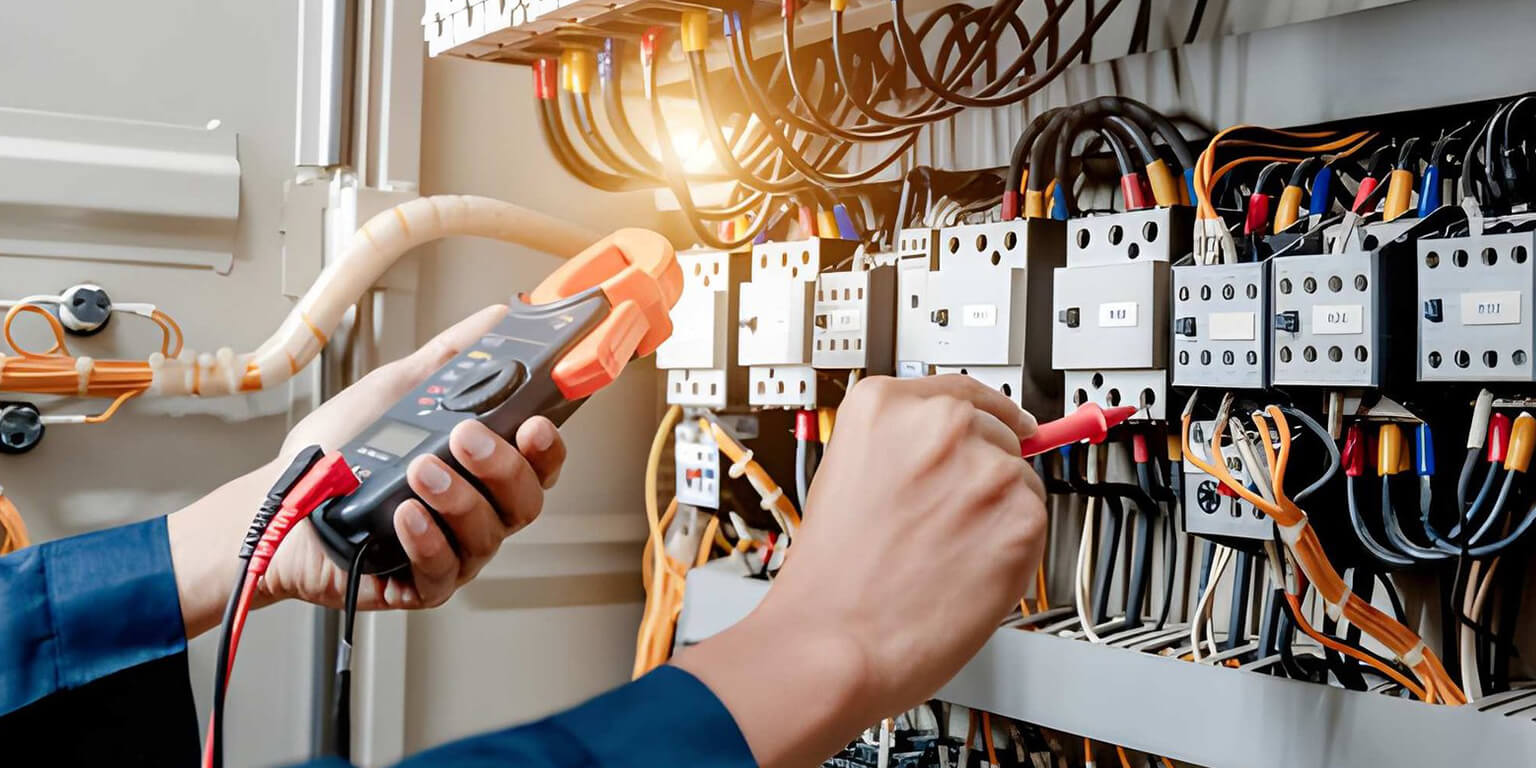
Generally speaking, the moment work touches your property's fixed electrical infrastructure, you're in registered-electrician territory. That covers a lot.
- New electrical connections or supply changes
- Adding or extending circuits
- Any work on the main distribution board or consumer unit
- Rewiring, partial or full
- Installing high-load equipment that changes your electrical demand
- Modifications that would need DEWA inspection and sign-off
Here's the part people underestimate. For new connections, added circuits or changes to the main board, DEWA inspection and approval is part of the process, and that sign-off is only available when the work was done by an enrolled contractor. Get an unapproved person to do it and you can't get it signed off. Which means the work, however tidy it looks, sits outside the system.
What doesn't need it? Genuinely minor things. Replacing a light fitting on an existing point, changing a socket faceplate, resetting a tripped breaker. Everyday stuff.
But the second a job involves opening the panel or altering the wiring behind the wall, a handyman with a screwdriver is the wrong call, whatever they charge.
The Risks of Skipping It
This is where we stay calm and factual, because the point isn't to frighten anyone. It's to make the trade-off clear.
Failed inspections and stuck approvals
If work that needed an enrolled contractor was done by someone unapproved, you can hit a wall when you need DEWA sign-off. That can hold up a connection, a modification, or a property transaction. Fixing it often means paying a proper contractor to redo or certify work you've already paid for once.
Insurance complications
Property insurance generally assumes the property was maintained lawfully. If an electrical fire or incident follows work done by an unapproved electrician, your insurer may treat that unauthorised work as a factor, which can complicate or reduce a claim. Is saving a few hundred dirhams on a panel job worth that exposure? For most people, once they see it laid out, the answer is obvious.
Liability landing on you
Here's the uncomfortable one. Responsibility for unauthorised electrical work doesn't sit only with the contractor who did it. As the property owner, you can carry consequences too. The cheap electrician disappears. The property, and the paperwork, stay with you.
The safety cost that has no price tag
Everything above is money and admin. Underneath it is the real reason the rules exist. A properly qualified electrician sizes cables correctly for Dubai's conditions, protects circuits properly, and tests the work before signing off. Skip that and the failure doesn't show up on day one. It shows up months later, usually under summer load, usually at night.
How to Check Before You Hire
You don't need to be an expert to protect yourself. You just need to ask, and to notice how the company responds.
Ask for the trade licence and the DEWA enrolment details of the contractor. Ask whether the electrician attending holds a DEWA competency licence. A real company answers in a minute and sends the documents over. A company that gets vague, changes the subject, or tells you not to worry about it has answered you clearly, just not in the way they intended.
One more check. Make sure the person doing electrical work is actually an electrician, not a general handyman being sent to save on cost. Plenty of maintenance callouts get handled by a jack-of-all-trades, which is fine for hanging a shelf and not fine for your distribution board.
At GeeM, electrical work is carried out by qualified, certified electricians, not general labour, and our electrical maintenance and repair services in Dubai are handled by people trained to work to the required standards. If you're not sure whether an issue even needs an electrician, our guide to the warning signs your electrical system needs attention is a useful place to start.
Where an AMC Fits In
One quiet advantage of putting your property on a maintenance plan: the vetting is already done.
With a reputable provider, an annual maintenance contract in Dubai means the electrician who turns up for a scheduled inspection or an emergency callout is already qualified and already working under an approved contractor. You're not re-checking credentials every time something trips. The standard is baked in.
Every plan we offer starts with a free property inspection, and the same certified team carries your property's history from one visit to the next. For electrical safety specifically, that continuity matters, because the person who wired the fix in spring is the one who understands the board in autumn. If you want to know more about how we work, our team and approach is a good overview.
Regular, qualified inspection is how small electrical faults get caught while they're still small. That's the whole idea.
Get Electrical Work Done Properly the First Time
If you've got electrical work coming up, or you're not sure whether a past job was done to standard, talk to us before it becomes a problem. We'll assess your system, explain what needs doing and what doesn't, and give you a clear quote with qualified electricians doing the work, whether it's a single repair or ongoing cover for a villa, apartment or commercial property.
Reach out to our team or call us toll free on 800 4336. We'd always rather look at something early than be called after it's failed.
Disclaimer: This article is for general information only and is not legal or technical advice. Electrical work in Dubai is regulated and must be carried out by suitably qualified professionals working under a DEWA-approved contractor, in line with DEWA's current regulations. Requirements can change and can vary by property and project. Always confirm a contractor's DEWA enrolment and approvals directly through official channels, and refer to DEWA for authoritative guidance before commissioning electrical work.
Frequently Asked Questions
.svg)
A DEWA-registered electrician in Dubai is a qualified electrician who works under a contractor enrolled with DEWA and holds a competency licence issued by DEWA. Registration confirms the electrician and their company have met DEWA's requirements to carry out electrical work to the emirate's standards. For most installation, modification and testing work, using one is a legal requirement rather than a preference.
For most significant electrical work in Dubai, yes. DEWA regulates electrical work across the emirate, and installation, modification or testing involving your fixed wiring or main distribution board must be carried out by an approved contractor. Minor tasks like changing a light fitting on an existing point generally don't require one, but anything touching your panel or circuits does.
New electrical connections, added or extended circuits, main distribution board changes, rewiring and modifications requiring inspection all need DEWA approval and an enrolled contractor. These categories typically involve DEWA inspection and sign-off, which is only possible when the work was done by an approved party. Everyday tasks such as replacing a socket faceplate or resetting a breaker usually fall outside this.
Using an unlicensed electrician can lead to failed or unobtainable DEWA sign-offs, complications with property insurance if an incident occurs, and liability that can fall on the property owner. Work done outside the approved system may need to be redone or certified by a proper contractor later. Beyond the cost and admin, the bigger risk is unsafe work that fails under load.
Ask the contractor directly for their trade licence and DEWA enrolment details, and ask whether the attending electrician holds a DEWA competency licence. A reputable company provides these documents without hesitation. You can also confirm a contractor's approval status through official Dubai channels. Reluctance to share credentials is itself a warning sign worth acting on.
A handyman can handle very minor tasks like changing a light fitting on an existing point, but not work involving your main distribution board, circuits or fixed wiring. That work legally requires a qualified electrician under a DEWA-approved contractor. Sending general labour to do licensed electrical work is a common cost-cutting shortcut that creates safety and compliance risks.
With a reputable provider, yes. A quality annual maintenance contract means electrical inspections and callouts are handled by qualified electricians working under an approved contractor, so credentials are already verified before anyone arrives. This removes the need to re-check qualifications for every job and helps keep your property's electrical work compliant and consistent over time.
Table of content
- Extreme Heat and Overworking
- Poor Maintenance and Dirty Filters
- Incorrect Sizing of AC Units
- Low Refrigerant Levels
Recent Posts


Download our App







© 2026 GeeM.
.svg)