Fire Safety Maintenance and Civil Defence Rules in Dubai

Post Details
Key Takeaways
- Fire safety maintenance in Dubai is mandatory and enforced by Dubai Civil Defence under the UAE Fire and Life Safety Code of Practice.
- Fire detection and suppression systems must be installed, tested and maintained by Dubai Civil Defence approved contractors. This isn't optional.
- Buildings generally need an annual maintenance contract with an approved fire contractor, plus regular functional testing, to stay compliant and pass inspection.
- Residential house owners are required to fit fire detection devices and connect to the Civil Defence monitoring system.
- Neglected fire systems can mean a failed inspection, a withheld or lost fire safety certificate, and complications with property insurance after an incident.
- Fire safety doesn't sit alone. Electrical upkeep, clear escape routes and general building maintenance are all part of keeping a property genuinely safe.
What the Rules Actually Require
Fire safety maintenance in Dubai is a legal requirement enforced by Dubai Civil Defence under the UAE Fire and Life Safety Code of Practice. Fire detection and suppression systems must be installed, tested and maintained by Dubai Civil Defence approved contractors, and most buildings need an annual maintenance contract with an approved company plus regular testing to stay compliant.
That's the framework. The detail is where owners and building managers tend to come unstuck.
Fire safety isn't a box you tick once at handover and forget. A system installed perfectly on day one drifts out of readiness the moment nobody's testing it. Batteries fade. Detectors gather dust. A panel throws a fault that sits ignored for months. And the one day it all needs to work, nobody finds out until it's too late to matter.
We look after property and facilities maintenance for buildings and communities across Dubai, so we see how the pieces fit together, and how the gaps open up. Here's a clear read on what's required, who carries the responsibility, and where fire safety connects to the rest of your building's upkeep.
Who Sets the Rules, and Who Enforces Them
Two names matter here.
Dubai Civil Defence, usually shortened to DCD, is the authority that enforces fire safety across the emirate. It inspects buildings, approves contractors, and issues the certificates that let a property legally operate. The rulebook it works from is the UAE Fire and Life Safety Code of Practice, the national standard covering how fire systems are designed, installed and maintained.
One point people miss: compliance is verified by DCD, not self-declared. You don't get to decide your building is fine. An inspector does.
And approval isn't a one-time event. Fire systems have to be maintained to standard on an ongoing basis, which is exactly why maintenance, not just installation, sits at the centre of the rules.
What Fire Systems Have to Be Maintained
The exact requirements depend on the building. A villa, a low-rise apartment block and a shopping mall are held to different standards, and the code scales with the risk. But the common systems look like this.
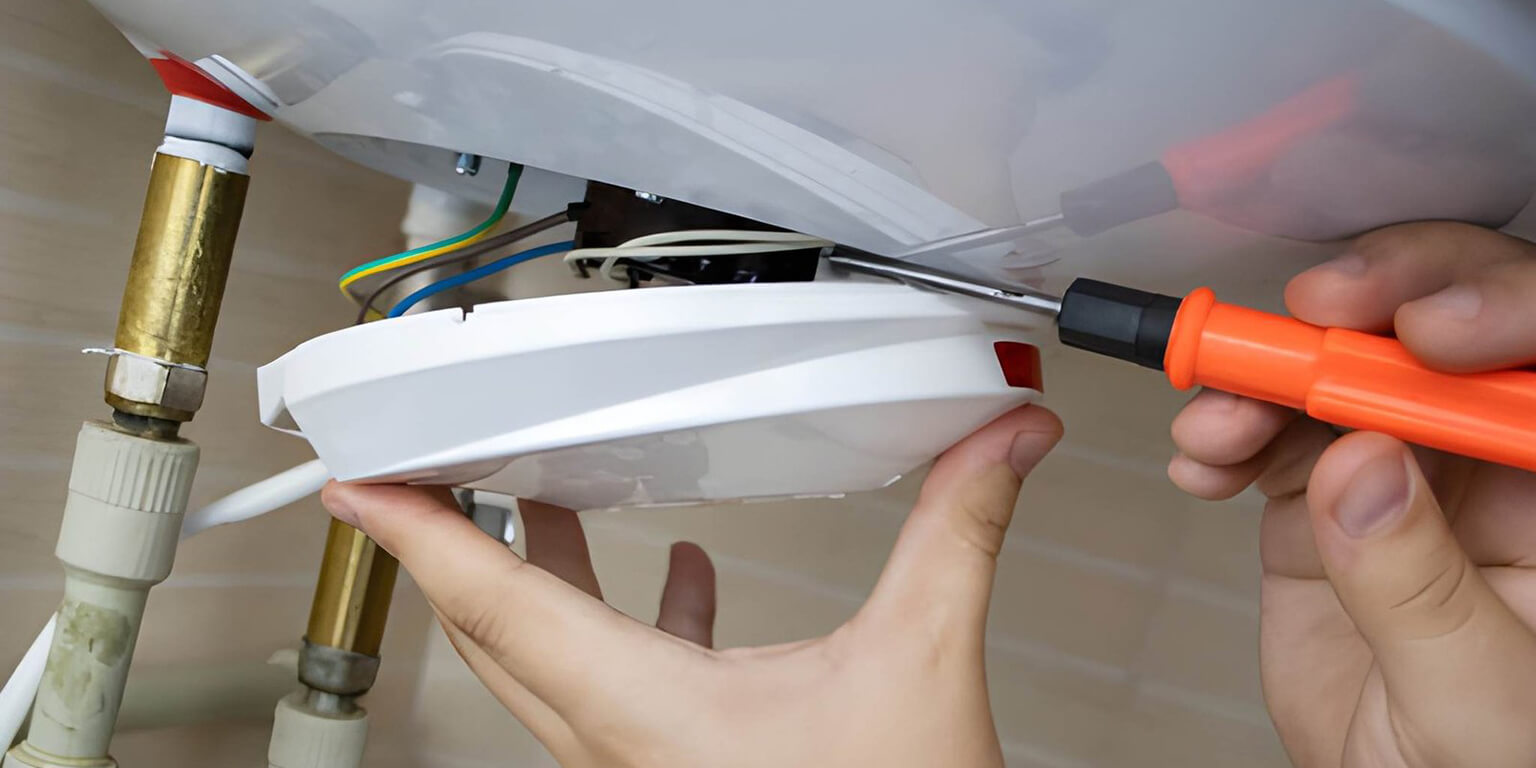
- Fire detection. Smoke and heat detectors distributed across the building, feeding a central fire alarm control panel.
- The alarm control panel. Usually sited in a monitored location like a security room, with backup power so it keeps working when the mains fails.
- Fire suppression. Sprinklers, risers, and specialist systems for higher-hazard areas like kitchens and server rooms.
- Extinguishers and fire blankets. Correct types, correctly placed, within their service dates.
- Emergency lighting and exit signage. Illuminated, visible in the dark, and pointing the right way.
- Escape routes. Kept clear. A propped fire door or a corridor used for storage is a violation, and a deadly one.
In larger buildings, the alarm network is required to talk to the rest of the building. When it triggers, it should shut down air handling units, activate smoke control, release electromagnetic door locks and recall the lifts. None of that works reliably unless it's tested and maintained.
Which brings us to the part that's easy to underestimate.
The Maintenance Itself: Testing and the Fire AMC
Installing the systems is the start. Keeping them working is the actual obligation.
Fire safety systems in Dubai require regular functional testing on a defined schedule, along with periodic comprehensive maintenance, and this work has to be done by a Dubai Civil Defence approved contractor. For most buildings, that means holding an annual maintenance contract with an approved fire company, and keeping the records to prove it. DCD checks that documentation. A missing or lapsed fire AMC is the kind of thing that turns an inspection sour fast.
Why so strict? Because fire equipment fails silently. A dead detector looks identical to a working one until there's smoke in the room. Testing is the only way to know the difference before it counts.
So the maintenance record isn't paperwork for its own sake. It's the evidence that your building is actually ready, not just equipped.
Residential Rules: Villas and Homes Aren't Exempt
A common misconception is that fire rules are only for big commercial towers. Not so.
Under a UAE Cabinet resolution, owners of residential houses are required to install fire detection devices and subscribe to the Civil Defence monitoring system. The national home fire monitoring programme connects household smoke and heat sensors to a central command centre that verifies alerts and dispatches Civil Defence with the home's location. It applies to existing homes as well as new builds.
For everyday home safety, the basics still matter and they're simple. A smoke detector in the bedrooms and living areas. A fire extinguisher in the kitchen, and a fire blanket too. Alarms tested regularly and batteries changed before they die rather than after. Escape routes you could actually use in the dark.
Do you know if the smoke detector in your hallway still works? A lot of people genuinely don't, and finding out takes thirty seconds.
What a Failed Inspection Actually Costs
Let's stay factual here, because the point isn't fear. It's understanding the trade-off.
The fire safety certificate can be withheld or lost. Buildings need a valid certificate from DCD to operate legally, and it's renewed periodically after inspection. Fail the inspection because systems weren't maintained, and that certificate is at risk, which affects the building's ability to operate.
Insurance gets complicated. Property and building insurance generally assumes fire systems are maintained to a reasonable standard. If a fire occurs and an investigation finds detectors were disabled, extinguishers expired or fire doors propped open, a claim can be reduced or refused. The saving on skipped maintenance can vanish many times over in a single rejected claim.
Liability sits with the responsible party. For buildings, that's usually the owner or the managing body. Fire safety failures aren't a problem you can fully outsource and forget. The responsibility stays home.
And then the real cost. Everything above is money and legal exposure. Underneath it is the reason the code exists at all, which is that maintained systems save lives and neglected ones don't. That's the whole point, and it's worth keeping in view when the maintenance schedule feels like an inconvenience.
Where Fire Safety Meets the Rest of Your Building
Here's an angle the standard fire-safety guides tend to miss. Fire safety isn't a sealed-off specialism. It's woven into the general condition of the building, and weak upkeep elsewhere quietly undermines it.
Electrical faults are a leading cause of building fires. An overloaded circuit, a failing distribution board, dodgy connections from unqualified work, all of it raises fire risk before a single detector is involved. Keeping your electrical systems maintained by qualified electricians working to Dubai's standards is fire prevention, even though nobody files it under that heading.
The same goes for the building's general condition. Blocked escape routes, faulty emergency lighting, doors that don't close properly, and poor housekeeping in plant rooms all show up in fire inspections. This is where broad facilities upkeep and fire compliance overlap, and where they're easy to let drift apart.
At GeeM, our facilities management services in Dubai cover the wider building upkeep that keeps a property inspection-ready, from electrical and mechanical maintenance to common area maintenance for residential and commercial buildings that keeps corridors, exits and shared plant in good order. We work alongside your fire safety obligations rather than replacing them, because the certified fire system work itself belongs with a Civil Defence approved fire contractor.
So the sensible setup for most buildings is two things running together: an approved fire contractor holding your fire system AMC, and a reliable facilities partner keeping everything the fire code touches in good shape. Our annual maintenance contract in Dubai is built for exactly that ongoing building upkeep.
A Simple Way to Check Where You Stand
Not sure whether your building is on top of this? Run through these quickly.
- Is there a current fire AMC with a Dubai Civil Defence approved contractor, and can you see the records?
- When were the detectors, alarm panel and suppression systems last tested?
- Is the fire safety certificate valid and up to date?
- Are all escape routes clear, and does the emergency lighting actually work?
- Are extinguishers within their service dates and correctly placed?
- For homes, are your detectors connected to the monitoring system and actually working?
If you can't answer some of those, that's not a reason to panic. It's a reason to sort it out now, calmly, before an inspection or an incident forces the issue.
Get Your Building's Maintenance in Order
Fire safety compliance is easier when the rest of your building is well maintained and someone reliable is keeping track. We can help with the facilities and building upkeep side, coordinate with your fire safety obligations, and make sure the systems we do look after are in good order, for apartments, villas, commercial properties and whole communities across Dubai.
Get in touch with our team or call us toll free on 800 4336. Tell us about your building and we'll help you work out what needs attention and who needs to handle each part.
Disclaimer: This article is for general information only and is not legal, safety or technical advice. Fire safety in Dubai is regulated by Dubai Civil Defence under the UAE Fire and Life Safety Code of Practice, and requirements vary by building type, size and use, and can change. Fire detection and suppression systems must be installed and maintained by Dubai Civil Defence approved contractors. Always confirm current obligations and a contractor's approval status directly with Dubai Civil Defence or a qualified fire safety professional before acting.
Frequently Asked Questions
.svg)
Yes, fire safety maintenance is mandatory in Dubai and enforced by Dubai Civil Defence under the UAE Fire and Life Safety Code of Practice. Fire detection and suppression systems must be maintained and tested regularly by approved contractors, and buildings generally need a valid fire safety certificate to operate legally. Neglecting maintenance can lead to failed inspections and legal and insurance consequences.
The building owner or managing body is generally responsible for ensuring fire safety systems are maintained and compliant. That responsibility includes holding a maintenance contract with a Dubai Civil Defence approved fire contractor and keeping testing records. In rented properties, landlords are typically responsible for providing and maintaining fire protection systems, while tenants must keep them functional and keep escape routes clear.
Yes, fire detection and suppression systems in Dubai must be installed, tested and maintained by a Dubai Civil Defence approved contractor. Approval confirms the company meets the standards set in the UAE Fire and Life Safety Code, and only approved contractors can carry out compliant fire system work and support inspection sign-off. You can request a contractor's approval details or verify them through official channels.
Fire safety systems in Dubai require regular functional testing on a defined schedule, along with periodic comprehensive maintenance by an approved contractor. The exact frequency depends on the building type and the systems installed, and it's set out under the fire code. The key point is that testing must be routine and documented, because the records form part of what Dubai Civil Defence checks.
Yes, owners of residential houses in Dubai are required to install fire detection devices and connect to the Civil Defence monitoring system under a UAE Cabinet resolution. This applies to existing homes as well as new builds. Beyond the mandated detection, sensible home fire safety includes a kitchen fire extinguisher, a fire blanket, tested alarms and clear escape routes.
A building that fails a fire safety inspection can have its fire safety certificate withheld or revoked, which affects its ability to operate legally. Failures often trace back to poorly maintained systems, blocked exits or missing documentation. There can also be insurance consequences if an incident later occurs, since claims may be affected where systems were not properly maintained.
It depends on the provider and the type of contract. Certified fire system maintenance must be carried out by a Dubai Civil Defence approved fire contractor, so a general property maintenance AMC does not replace a dedicated fire AMC. Many buildings run both: an approved fire contractor for the fire systems, and a facilities maintenance partner for the wider building upkeep that fire compliance depends on.
Table of content
- Extreme Heat and Overworking
- Poor Maintenance and Dirty Filters
- Incorrect Sizing of AC Units
- Low Refrigerant Levels
Recent Posts

Download our App







© 2026 GeeM.
.svg)