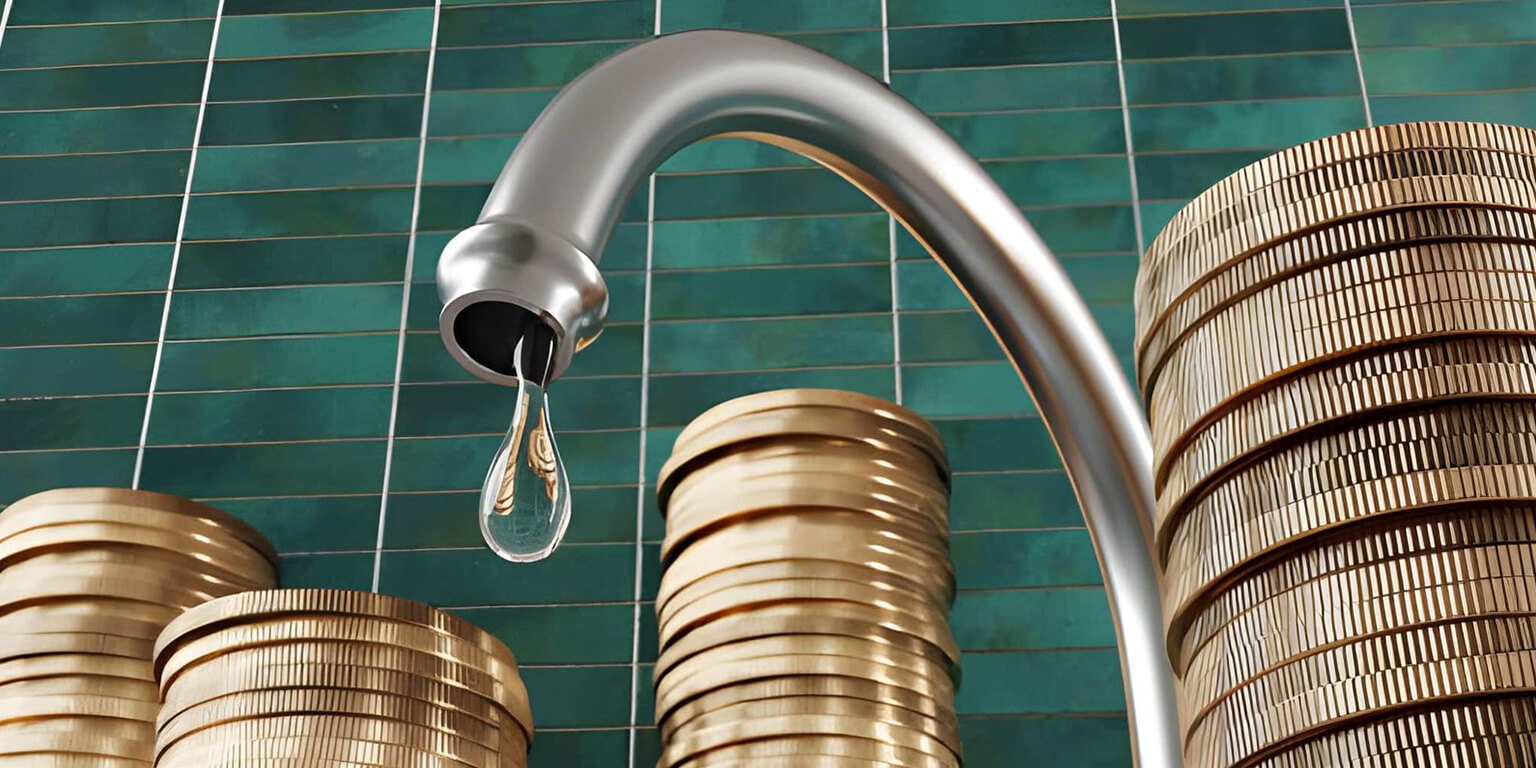
High Water Bill in Dubai? It Might Be a Hidden Leak
Post Details
Key Takeaways
- A sudden rise in your DEWA water consumption, with no change in how you use water, is most often caused by a hidden leak.
- The quickest check is the meter test: turn off every tap and water appliance, then see whether the meter keeps moving.
- In Dubai homes, the usual culprits are running toilets, overflowing tank float valves, dripping water heater relief valves, irrigation lines and underground supply pipes.
- Not every high bill is a leak. Check for summer irrigation, pool top-ups, guests, estimated readings and other charges on the bill first.
- DEWA's High Water Usage alert can flag unusual consumption early, so it's worth turning on.
Why Your Water Bill Has Suddenly Gone Up
A high water bill in Dubai, with no change in how your household uses water, is most commonly caused by a hidden leak such as a running toilet, a faulty tank float valve, a dripping water heater relief valve, or a damaged pipe behind a wall or under the ground. You can confirm whether water is escaping with a simple meter test.
Most leaks that drive up a bill aren't dramatic. There's no burst pipe and no puddle on the floor. Water slips quietly into a drain, an overflow pipe or the soil, day and night, and the only place it shows up is the DEWA bill at the end of the month.
That's why they're easy to miss.
Before you call anyone, a few simple checks will tell you whether you're dealing with a leak or something else. This guide walks through them in order, then covers the most common hidden leaks in Dubai villas and apartments.
Step 1: Check It's Really Higher Consumption
Look at the water consumption line on your bill, not just the total. DEWA bills show water usage in imperial gallons, and your bill or the DEWA app lets you compare it with previous months.
Two things can make a bill look worse than it is.
First, the total may include charges that aren't water at all, such as electricity, sewerage and, for tenants, the Dubai Municipality housing fee. A jump in electricity in summer can make the whole bill look like a water problem.
Second, a meter that wasn't read in a given month may have been estimated, with the difference caught up later. If one bill is unusually high and the next is unusually low, that's often what happened.
If water consumption itself has clearly gone up, move on.
Step 2: Rule Out Normal Reasons
Plenty of high water bills have perfectly ordinary explanations.
If none of these fit, it's time to test for a leak.
Step 3: Do the Meter Test
This is the single most useful check, and it takes about an hour.
- Turn off every water-using item. Taps, showers, washing machine, dishwasher, irrigation, pool autofill and any water features.
- Check nothing's filling. If you have a rooftop or ground tank, give it time to finish refilling first.
- Read the meter. Note the numbers, or take a photo of the dial. Many meters also have a small leak indicator that spins when water flows.
- Wait at least 30 to 60 minutes. Don't use any water during this time.
- Read it again. If the numbers have moved or the indicator is spinning, water is escaping somewhere.
DEWA itself recommends checking for leaks by switching off all water devices and testing at least twice a year, as set out in its guidance on early leak detection.
Want to narrow it down? If you can close the main valve into the house while the meter still moves, the leak is likely between the meter and the house, often an underground pipe. If closing that valve stops the meter, the leak is inside. Our guide on finding and fixing pipe leaks at home covers the visible warning signs in more detail.
The Most Common Hidden Leaks in Dubai Homes
Some leak sources are much more common than others. Here's where we'd look first.
Toilets
A toilet with a worn flush valve or a faulty fill valve can run day and night, and you'd barely hear it. Try the dye test. Put a few drops of food colouring in the cistern, wait 15 minutes without flushing, and look at the bowl. If colour appears, water is leaking through.
Tank float valves
Many Dubai villas and low-rise buildings have a rooftop or ground water tank filled through a float valve. When that valve wears or sticks, the tank keeps filling and the excess runs out of the overflow pipe, often somewhere nobody looks. It's a common cause of sudden jumps in villa bills, and usually one of the easier fixes.
Water heaters and relief valves
Every pressurised water heater has a temperature and pressure relief valve. It's designed to release water if the pressure or temperature climbs too high. When the valve wears out, or the heater is set too hot, it can drip constantly into a drain or out of a discharge pipe on the roof.
A slow, steady drip doesn't look like much. Over a month, it adds up. A leaking tank, a corroded inlet connection or a faulty mixing valve on a solar system can waste water the same way. If you suspect your heater, our team handles water heater and relief valve repairs for electric, gas and solar units.
Irrigation and underground pipes
Villa gardens in communities like Arabian Ranches, The Springs and The Meadows rely on irrigation systems, and buried pipes and fittings fail without warning. DEWA has highlighted water tanks, bathrooms, kitchens and swimming pools as the most likely areas for leaks in its customer awareness notice on water leakage, and outdoor systems belong on that list too.
Pipes inside walls and floors
In apartments, hidden leaks often sit behind bathroom walls, under shower trays or around kitchen sinks. You may notice them first as damp patches, peeling paint or a smell, rather than as water. In apartment buildings, a leak can also show up in the unit below before it shows in yours.
Use DEWA's Alerts
DEWA offers a High Water Usage alert that notifies customers when consumption is unusually high, which can point to an internal leak. It's one of the simplest ways to catch a problem within days rather than at the end of the billing cycle. Its smart services, including the Smart Living dashboard, also let you watch your consumption more closely.
If you travel over the summer, check your consumption while you're away. A home with nobody in it should use very little water. If the numbers keep climbing, something's leaking.
When to Call a Professional
You can do the meter test and the toilet dye test yourself. Beyond that, finding a leak that's behind a wall, under a floor or underground usually needs proper equipment.
We use thermal imaging and acoustic equipment to locate hidden leaks, which helps us avoid breaking walls or floors unnecessarily. After a free inspection, we explain what we've found, give you an itemised quote before any work starts, test the system after the repair and provide a written report.
Call someone straight away if you see:
- The meter moving fast with everything switched off
- Water coming through a ceiling or wall
- Damp around electrical sockets or fittings
- A water heater leaking from the tank itself
- Ground subsiding or paving lifting outside
For anything urgent or hard to trace, our hidden leak detection and repair service covers villas and apartments across Dubai. Or simply book a leak inspection with GeeM and we'll find where the water's going. You can also call us on 800 4336.
Disclaimer: This article is general guidance for homeowners, tenants and property managers. It isn't plumbing or legal advice. Billing details and DEWA services may change, so check your bill and DEWA's official channels for current information. Plumbing, water heater and electrical repairs should only be carried out by appropriately qualified professionals. If water is near electrical fittings, switch off power at the board only if it's safe to do so and call a professional.
Frequently Asked Questions

A high water bill in Dubai is usually caused by higher use, such as summer irrigation or pool top-ups, or by a hidden leak. If your habits haven't changed, a meter test with all water switched off will show whether water is escaping.
Turn off every tap and water appliance, note the water meter reading, wait 30 to 60 minutes without using water, then read it again. If the reading has changed or the leak indicator is spinning, you have a leak.
Yes, a running toilet is one of the most common causes of a high water bill because it can leak continuously without being noticed. A dye test in the cistern will show whether water is passing into the bowl.
Yes, a water heater can raise your water bill if its relief valve drips constantly or the tank or connections leak. Check the valve's discharge pipe for steady dripping, and have the heater inspected if it does.
It usually depends on the cause and the tenancy contract: landlords generally cover failures in the property's plumbing, while tenants may be responsible for damage they cause. Check your contract, and report any leak to your landlord quickly so it can be fixed before the bill and the damage grow.
Table of content
- Extreme Heat and Overworking
- Poor Maintenance and Dirty Filters
- Incorrect Sizing of AC Units
- Low Refrigerant Levels
Recent Posts


Download our App


© 2026 GeeM.
