How Long Does a Renovation Take in Dubai?
Post Details
Key Takeaways
- Most renovations in Dubai take anywhere from a couple of weeks to several months, depending on size and scope.
- A cosmetic refresh is quick. A full villa renovation with structural work and approvals is the long end of the scale.
- The approval stage is the time sink most people forget, and it happens before any building begins.
- Mid-project changes are the single biggest cause of delays, so lock your scope early.
- A vacant property is faster to renovate than one you're still living in.
The Realistic Answer
A renovation in Dubai generally takes from about two weeks for a simple cosmetic refresh to three months or more for a full villa renovation with structural changes and approvals. Most apartment renovations fall somewhere in between, at roughly six to twelve weeks. The exact timeline depends on the size of the property, how much you're changing, and whether permits are involved.
So where does the time actually go? Not always where people expect. Let's walk through it stage by stage.
The Four Stages of a Renovation Timeline
Every renovation moves through the same four phases, whether it's a single bathroom or a whole villa. Knowing them helps you see where the weeks add up.
Stage 1: Consultation and Assessment
This is the quick part. We visit the property, take measurements, and understand how you use the space, your budget, and your style. For most projects it takes a few days to pull together, though larger properties need a little longer to assess properly.
Stage 2: Design and Approvals
Here's where timelines stretch, and it catches people off guard.
We prepare layouts, material selections, and drawings, then handle approvals and developer NOCs where they're needed. Design itself can move quickly once you make decisions. The approvals, though, run on the authorities' schedule, not yours, and that can add weeks before a single wall is touched. More on that below, because it's the stage most guides gloss over.
Stage 3: Execution
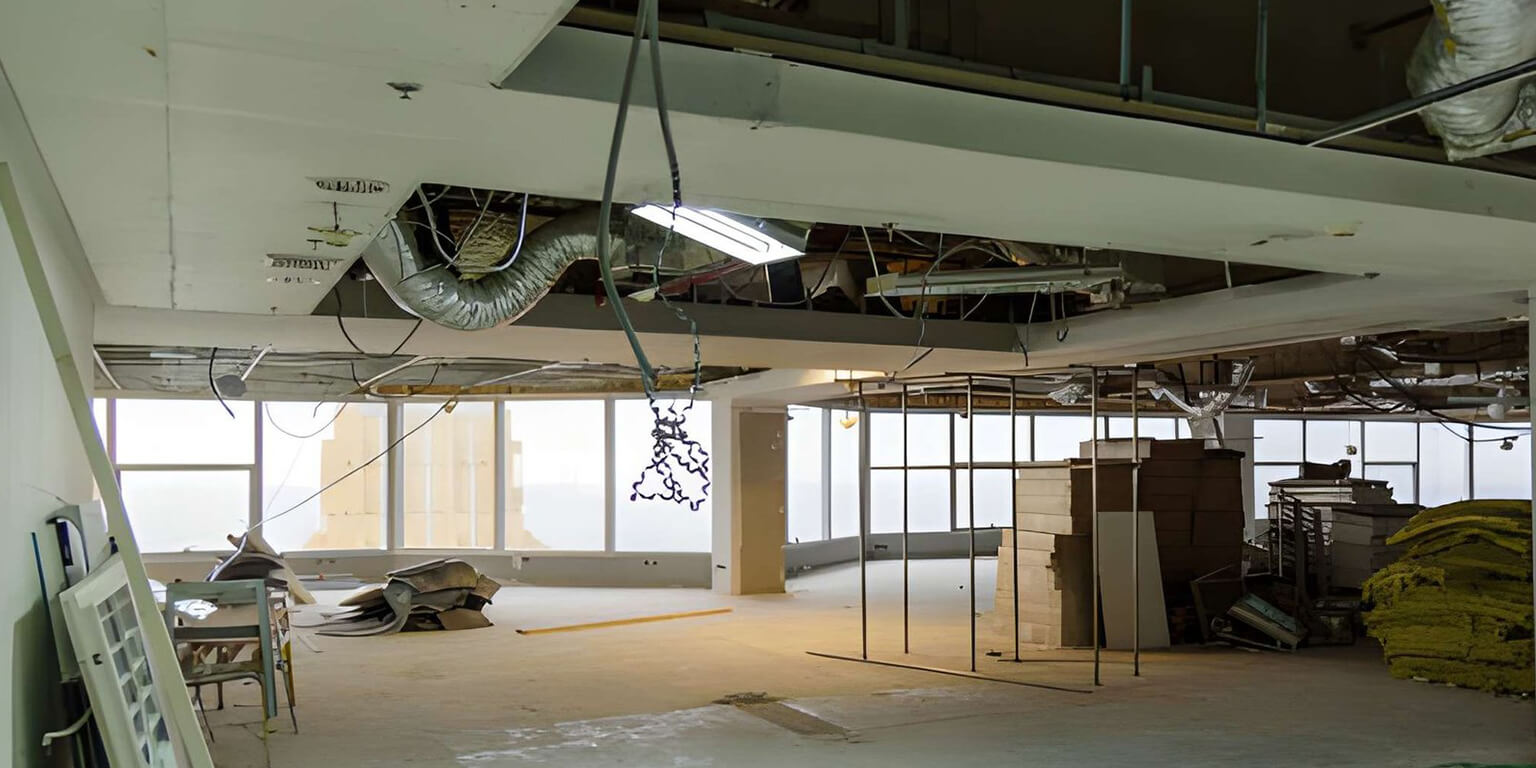
The build. Demolition, construction, MEP works, joinery, and finishes, with progress checked at each step. This is usually the longest active phase, and its length depends almost entirely on scope. A paint-and-flooring update is fast. Moving walls, rewiring, and fitting a new kitchen takes considerably longer.
Stage 4: Snagging and Handover
Nearly there, but not quite. We complete a full clean and quality inspection, fix any final defects, then walk you through the finished space before handover. Rushing this stage is a false economy, because it's where small imperfections get put right before you live with them.
Renovation Timelines by Project Type
Want a rough idea for your specific project? These are general market ranges, not promises, since every property is different.
- Cosmetic refresh (paint, flooring, minor fixtures): around one to three weeks.
- Kitchen or bathroom renovation: roughly three to six weeks, depending on finishes and whether plumbing moves.
- Full apartment renovation: in most cases six to twelve weeks.
- Full villa renovation: often three to six months, especially with structural work, approvals, or landscaping.
Notice the overlap. A high-spec kitchen can take longer than a light refresh of a whole apartment. Scope drives the clock far more than floor area does.
The Hidden Time Sink: Approvals and NOCs
If your renovation is running behind before it starts, approvals are usually why.
Work that affects the structure, layout, or MEP systems of a property typically needs a permit from Dubai Municipality, and often a No Objection Certificate from your community developer too. Changes to electrical or water infrastructure may also need clearance from DEWA. None of these are instant, and they happen before construction can legally begin.
Cosmetic work usually skips all this, which is part of why a simple refresh is so much faster.
The practical takeaway? Build the approval period into your expectations from day one. We manage this documentation as part of a project, so it runs in parallel with design rather than surprising you later, but the authorities still set their own pace. Anyone who promises to skip approvals isn't doing you a favour.
What Slows a Renovation Down
Delays rarely come out of nowhere. Almost always, it's one of these.
Changing your mind mid-project is the big one. Every change to the scope ripples through the schedule, because trades have to be resequenced and sometimes materials reordered. Deciding you want a different layout halfway through can cost you weeks.
Imported materials are another. Speciality tiles, natural stone, or custom joinery can carry long lead times, and your project waits on whatever arrives last. Older properties can spring surprises too, like ageing pipework or wiring behind the walls that needs sorting before work continues. And renovating a home you still live in is slower than an empty one, because trades work around you and some work can't happen while the space is occupied.
How to Keep Your Renovation on Schedule
The good news is that most delays are avoidable. Here's what keeps a project moving.
Lock your scope before work starts, and resist changing it once the trades are booked. Decide your finishes early, especially anything imported, so nothing holds up the site later. Choose a company that runs its own coordinated team, so the different trades actually line up instead of waiting on each other. And if you can move out for a bigger project, do, because a vacant property almost always finishes faster.
Sometimes the fastest route to a fresh-looking home isn't a full renovation at all. If the layout works and you mostly want it to feel new, professional painting work can transform a space in days rather than weeks.
Want a Realistic Timeline for Your Project?
Every property tells a different story, and the only honest way to give you a timeline is to see yours. Our team offers complete professional renovation services in Dubai for apartments, villas, offices, and commercial spaces, and we'll give you a realistic, stage-by-stage programme before any work begins. Whether it's a quick refresh or renovating a villa in Dubai from top to bottom, book a free consultation or call 800 4336 and we'll map out the schedule with you.
Disclaimer: This article is for general information only. Timelines mentioned are broad guidance, not commitments, and vary by property, scope, and community. Renovation works in Dubai are subject to Dubai Municipality regulations, developer requirements, and other authority approvals. Always work with a licensed contractor and obtain the required approvals before starting any renovation work.
Frequently Asked Questions
.svg)
A renovation in Dubai typically takes from around two weeks for a cosmetic refresh to three months or more for a full villa renovation. Apartment renovations usually fall between six and twelve weeks. The timeline depends on the property size, the scope of work, and whether approvals are needed before building can start.
An apartment renovation in Dubai generally takes six to twelve weeks, depending on how much you're changing. A light refresh of paint and flooring can be done in a couple of weeks, while a full renovation with a new kitchen, bathrooms, and MEP updates sits at the longer end. Getting your material choices decided early helps keep it on track.
Renovation approvals add time because permits from Dubai Municipality and developer NOCs run on the authorities' schedule and must be secured before structural or MEP work begins. This stage happens before construction, so it can add weeks to the overall timeline. Cosmetic work usually doesn't need approvals, which is why it's much quicker.
The most common causes of renovation delays are mid-project changes to the scope, long lead times on imported materials, and hidden problems in older properties. Renovating a home while still living in it also slows things down. Locking the scope and deciding finishes early are the best ways to avoid these delays.
Yes, renovating an empty property is usually faster than one that's still occupied. Trades can work without having to move around your daily life, and some work simply can't be done safely while people are living in the space. For larger projects, moving out temporarily often shortens the overall timeline.
A renovation can move faster when the scope is fixed early, finishes are chosen upfront, and one coordinated team manages all the trades. Speed problems usually come from indecision and poor coordination, not from the work itself. Rushing the build or skipping snagging, on the other hand, tends to cost more time later.
Table of content
- Extreme Heat and Overworking
- Poor Maintenance and Dirty Filters
- Incorrect Sizing of AC Units
- Low Refrigerant Levels
Recent Posts


Download our App







© 2026 GeeM.
.svg)