Parking Barrier Installation Process: Step by Step Guide
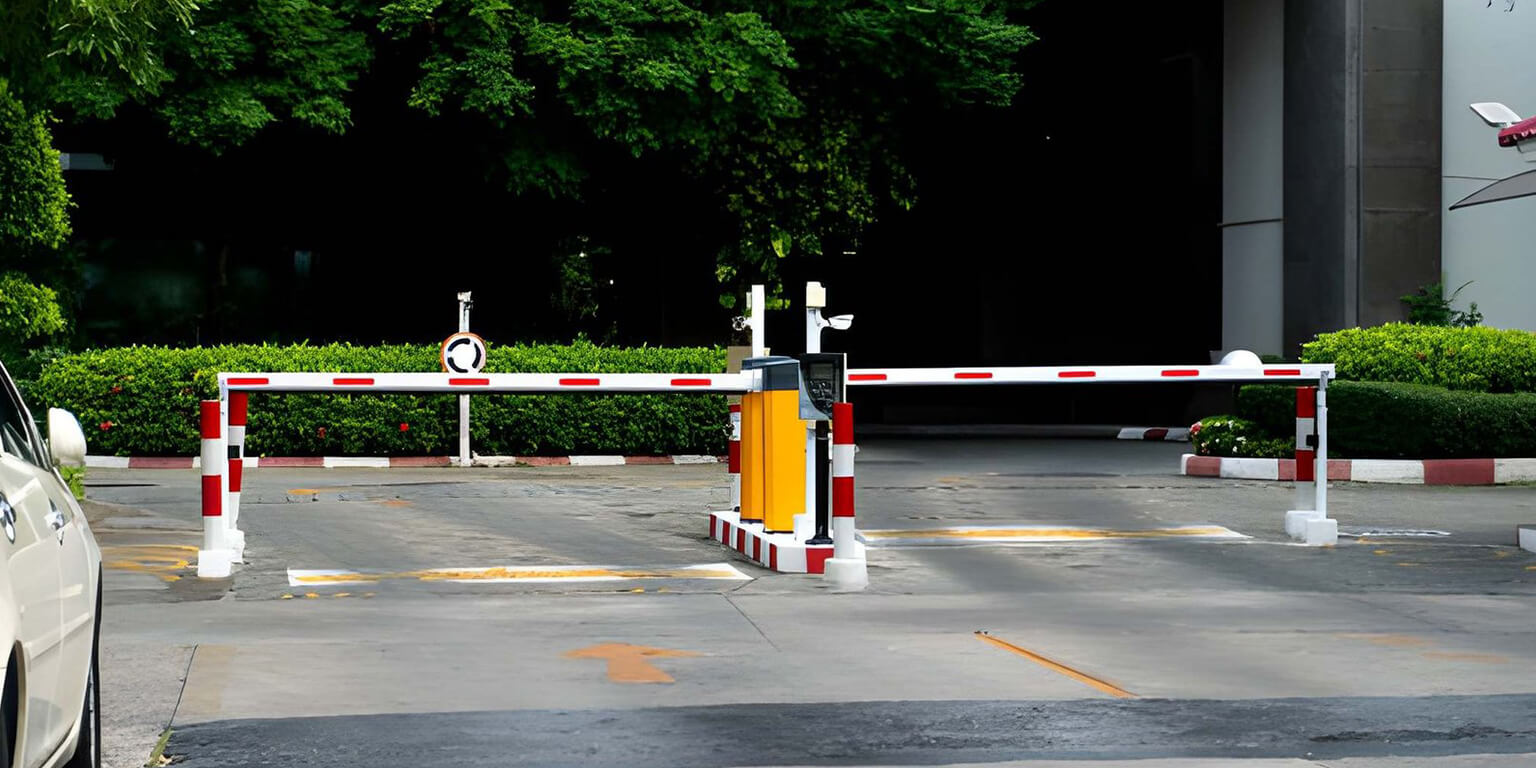
Post Details
Key Takeaways
- A proper parking barrier installation in Dubai has six distinct phases, and skipping any one of them creates problems that surface weeks or months later.
- Civil works, specifically the foundation and conduit laying, are the part most often rushed or underspecified. Getting these right is what makes everything above ground last.
- The commissioning and testing phase isn't a formality. It's where sensor calibration, access control programming, and safety checks actually happen.
- In Dubai's climate, material choices during installation, enclosure ratings, cable types, arm finishes, all have a direct effect on how long the system performs before needing significant maintenance.
- A handover that includes documentation, operator training, and a clear maintenance schedule is part of what separates a professional installation from one that just looks finished.
Most property managers don't think much about what goes into installing a gate barrier until something goes wrong with one. A barrier that jerks instead of lifting smoothly, an arm that keeps misaligning, sensors that trigger at random, a control panel that was wired without protection from Dubai's summer heat. These aren't bad luck. In most cases, they trace back to a specific step in the installation that was done poorly or skipped entirely.
Understanding the process helps you ask better questions before you hire anyone, spot problems during the work, and know what a proper handover should look like. Whether you're planning a first installation or replacing an existing system, here's what the process should actually involve.
Step 1: Site Assessment and System Design
Before anything is ordered or installed, a site visit needs to happen.
A proper assessment looks at several things. Entry lane width determines the arm length needed. The condition and type of ground surface, concrete, asphalt, compacted fill, affects foundation depth and specification. Existing electrical infrastructure matters because the barrier needs a stable power supply, and if the available supply is undersized or located far from the installation point, cable routing becomes a bigger part of the job. Access control requirements, whether RFID, ANPR cameras, loop detectors, or a combination, need to be identified before a control panel is specified.
Overhead clearance is another factor that's easy to miss. In underground car parks and covered entry ramps, standard upward-lift arms can be a problem. Folding-arm variants exist for exactly this situation, but the wrong choice here means replacing the unit after installation.
The output of this stage should be a written recommendation with system specification, lane configuration, arm length, integration plan, and a clear scope of civil works. If a company skips this step and quotes based on a phone description alone, that's a signal worth taking seriously.
Step 2: Foundation Preparation and Civil Works
This is where a lot of installations fall short.
The barrier unit itself is mounted to a foundation plate set in concrete. In Dubai, sandy soil conditions and extreme heat cycling create movement in poorly prepared bases. A foundation that doesn't go deep enough, or isn't properly anchored, will shift over time. When the base shifts, the alignment between the motor housing and the arm changes, and that puts mechanical stress on every cycle.
The standard process involves excavating to the appropriate depth for the ground conditions, positioning the manufacturer's foundation plate, routing conduit runs for power cables and any low-voltage access control cables before concrete is poured, then filling and allowing the concrete to cure fully before mounting the barrier body. That curing period matters. Rushing it to hit a delivery deadline is one of the more common causes of early foundation movement.
Cable conduits for power supply and signal cables should be laid in separate runs. Running mains and low-voltage control cables in the same conduit creates interference issues that can cause erratic sensor behaviour or control panel faults. In outdoor installations in the UAE, conduit material and sealing also needs to account for ground-level heat.
If loop detectors are part of the access control design, the road surface cuts for the inductive loops go in during this phase as well. These need to be properly sealed after installation to prevent moisture ingress, which degrades the loop over time.
Step 3: Barrier Unit Mounting and Arm Assembly
Once the foundation has cured and the cabinet base is secured, the barrier unit is mounted and the arm is attached and balanced.
Arm balance is more technical than it sounds. The arm sits on a counterbalance spring inside the motor housing. If the spring tension isn't correctly set for the arm length and any accessories attached to it, the motor works against resistance on every cycle. Over time, this shortens motor lifespan considerably. FAAC Group's installation guidance specifies that arm balance must be verified at multiple points during commissioning, not just set and left. In practice, getting this right involves setting the arm to 45 degrees and adjusting spring tension until the arm holds position without motor assistance.
For installations in Dubai's heat, the orientation of the control cabinet door also matters. Positioning the door so it opens away from direct afternoon sun reduces the internal temperature of the control panel housing during the hottest part of the day, which has a meaningful effect on electronics longevity.
Step 4: Electrical Connection and Control Panel Wiring
A qualified electrician handles mains connection. That's non-negotiable.
The barrier draws from a stable 230V supply. Voltage fluctuations, which do occur in some Dubai buildings with older infrastructure, can cause unpredictable motor behaviour and, in some cases, control board damage. Where supply stability is a concern, a voltage stabiliser inline is worth considering.
Inside the control panel, the wiring sequence follows the manufacturer's terminal layout: mains supply, motor connections, limit switches, safety inputs including the STOP and SAFE circuits, auxiliary outputs for accessories like lights or intercoms, and access control inputs. Unused safety inputs should be jumpered correctly, not left open, or the system will throw faults.
Earthing is mandatory for all metal components. In Dubai, where earthing infrastructure quality varies across properties, verifying a solid earth connection before powering up matters both for safety and for correct sensor operation.
And if the installation includes integration with CCTV cameras or a wider security system, the signal cables for those connections are terminated in this phase as well, keeping all integrations within the same controlled wiring environment.
Step 5: Access Control Programming and Integration
This is often where the real complexity sits, particularly for commercial properties with RFID systems, ANPR cameras, or multi-lane configurations.
RFID readers need to be programmed with the authorised tag database. ANPR cameras need to be positioned at the correct angle and height for reliable plate capture, then connected to the recognition software and barrier trigger logic. Loop detectors need to be calibrated for the specific vehicle types expected at that site, because a detector calibrated for passenger cars may not reliably detect larger vehicles, and vice versa.
The control panel's logic parameters also need to be set: automatic closing delay, arm operating speed, pre-alarm settings if used, and how the system behaves when it loses power. Most quality systems include a battery backup that allows a set number of cycles during outages. Confirming this is configured and the battery is functional should happen before handover, not after the first power cut.
For properties using remote management platforms or building management system integration, the communication settings need to be tested end-to-end. Not just confirmed at the panel, but verified from the management interface as well.
Step 6: Commissioning, Safety Testing, and Handover
Every installation needs a full commissioning run before it's handed over.
Commissioning covers mechanical function tests across multiple open-and-close cycles, safety sensor verification, including checking that the arm reverses correctly when an obstacle is detected in the closing path, remote control and access credential testing, power failure simulation to confirm backup operation, and a review of all programmed parameters against the site requirements agreed during design.
According to FAAC Group's maintenance and commissioning documentation, safety features including photocell alignment and anti-crush force settings should be verified as part of every commissioning process, not assumed to be correct from factory defaults. A force setting that's too high can cause injury; one that's too low may trigger false reversals that make the system unusable.
Proper handover matters.
It should include a commissioning report documenting the settings used, all access credentials and programming information, remote controls or access cards, spare parts information, and a recommended maintenance schedule specific to the installation. On-site training for the facilities or security team covering daily operation and the manual override procedure is a reasonable expectation, particularly for first-time installations.
What Happens After Installation
The process doesn't end at handover. Barriers in Dubai need regular attention to keep performing well, and the schedule depends on how heavily they're used. High-traffic commercial properties benefit from servicing every three months. Residential properties in most cases manage well with visits every six to twelve months.
Our gate barrier installation service in Dubai covers the full scope from site assessment through commissioning and beyond, and properties that want structured ongoing care can include barrier servicing in a broader annual maintenance contract in Dubai. For villa and apartment properties especially, having a single team familiar with all your property systems makes scheduling straightforward and keeps nothing falling through the cracks.
Get Your Parking Barrier Installed Properly
If you're planning a new automatic gate barrier in Dubai or want to replace a system that's been giving problems, the first step is a site assessment. We'll tell you what the installation actually involves for your specific property, what access control integration makes sense, and what the realistic timeline and scope looks like.
To book a site visit or speak with our team, reach out through our contact page or call us toll-free on 8004336. GeeM handles the full installation process from foundation works through to handover, with no steps skipped.
Frequently Asked Questions
.svg)
For a straightforward single-lane installation with standard access control, the civil works, mounting, wiring, and commissioning typically take two to three days once all materials are on-site. The concrete foundation curing period adds time before the barrier body can be mounted, which is often the reason a job that looks simple takes longer than expected. Multi-lane or complex integration projects take longer, and the timeline should be confirmed clearly before work begins.
Civil works typically include excavating for the foundation, positioning and setting the manufacturer's foundation plate in concrete, laying conduit runs for power and signal cables, cutting road surface channels for loop detectors if used, and sealing all conduit entries. In Dubai specifically, foundation depth should account for sandy or soft ground conditions, and conduit materials should be rated for the ground temperatures common here.
Yes, but it requires a folding-arm or short-arm barrier variant rather than a standard upward-lift system. Overhead clearance determines which model is appropriate. Entry ramp gradient also affects installation since a sloped surface requires foundation adjustments to keep the motor housing level. These factors need to be confirmed during the site assessment.
Most automatic gate barriers in Dubai run on a standard 230V AC single-phase supply. The supply point needs to be stable and properly earthed. Where voltage fluctuations are a concern, a voltage stabiliser may be recommended. The supply circuit should be dedicated to the barrier rather than shared with other high-draw equipment, and the cable run from the supply point needs to be sized correctly for the distance to avoid voltage drop.
Yes, and this should happen as part of formal commissioning, not just a quick check. Safety sensors, including photocells and loop detectors, need to be verified for correct positioning, alignment, and response. Anti-crush force settings on the motor need to be confirmed against safe levels for the installation. Assuming factory defaults are appropriate for every site is a mistake that has caused problems in real installations.
In Dubai's conditions, high-traffic commercial barriers benefit from servicing every three months. Residential properties generally manage well with twice-yearly visits. Any barrier showing warning signs, including slow or jerky movement, unusual sounds, inconsistent sensor response, or error codes on the control panel, should be inspected promptly rather than left until the next scheduled visit.
A proper handover pack should include a commissioning report with system settings documented, all access control credentials and programming details, remote controls or access cards in the quantities agreed, the manufacturer's technical manual for the installed unit, recommended service intervals, and contact information for ongoing support. Your on-site team should also receive a basic walkthrough of daily operation and the manual override procedure before the installer leaves.
Table of content
- Extreme Heat and Overworking
- Poor Maintenance and Dirty Filters
- Incorrect Sizing of AC Units
- Low Refrigerant Levels
Recent Posts


Download our App







© 2026 GeeM.
.svg)