How to Prevent Damp and Mould in Dubai Homes
Post Details
Why Dubai Homes Get Damp Faster Than You'd Expect
The fastest way to prevent damp and mould in a Dubai home is to control indoor humidity, keep it below 60 percent, and fix moisture sources like AC condensation and leaks before they spread. That's the short answer. The longer answer, the one that actually stops the problem from coming back, is what the rest of this article covers.
Dubai's climate doesn't leave much room for error. Outside, the air is thick with moisture for a good chunk of the year. Inside, air conditioning runs almost non-stop, creating a temperature gap between hot, humid air outside and cold, dry air inside. That gap is where condensation forms, and condensation is where mould gets its start. We see this pattern constantly across the villas and apartments we service, and it rarely announces itself until a musty smell or a dark patch on the wall gives it away.
Key Takeaways
- Relative humidity above 60 percent is the tipping point where mould growth becomes likely, according to Dubai Municipality's own indoor air quality guidelines.
- Most damp problems in Dubai homes trace back to one of three sources: AC condensation, a hidden leak, or poor airflow behind furniture and in closed rooms.
- Sealed, well-insulated buildings trap moisture more than older, leakier ones, so newer Dubai properties aren't automatically safer.
- A musty smell is often the first sign of mould, arriving well before you can see it.
- Fixing the moisture source matters more than cleaning visible mould. If you don't address the cause, it comes back within weeks.
- Scheduled AC and plumbing checks catch the small issues (a clogged drain line, a slow leak) before they become a damp wall or a health complaint.
What Actually Causes Damp and Mould in Dubai Homes
Mould needs three things: moisture, a food source (dust, wood, drywall, fabric all qualify), and a surface that stays damp long enough. Dubai homes tend to supply all three without anyone noticing, mostly because of how the climate and the building stock interact.
Humidity and Poor Ventilation
Outdoor humidity in Dubai regularly sits well above what's considered safe for indoor air. Bring that air inside through an open door, a bathroom without an exhaust fan, or a kitchen that never airs out after cooking, and it has nowhere to go. It settles into fabric, behind cupboards, and along cooler wall surfaces. Rooms that stay shut for long stretches, spare bedrooms, storage rooms, villa basements, are usually the worst affected, simply because nothing moves the air.
AC Condensation and Drainage Problems
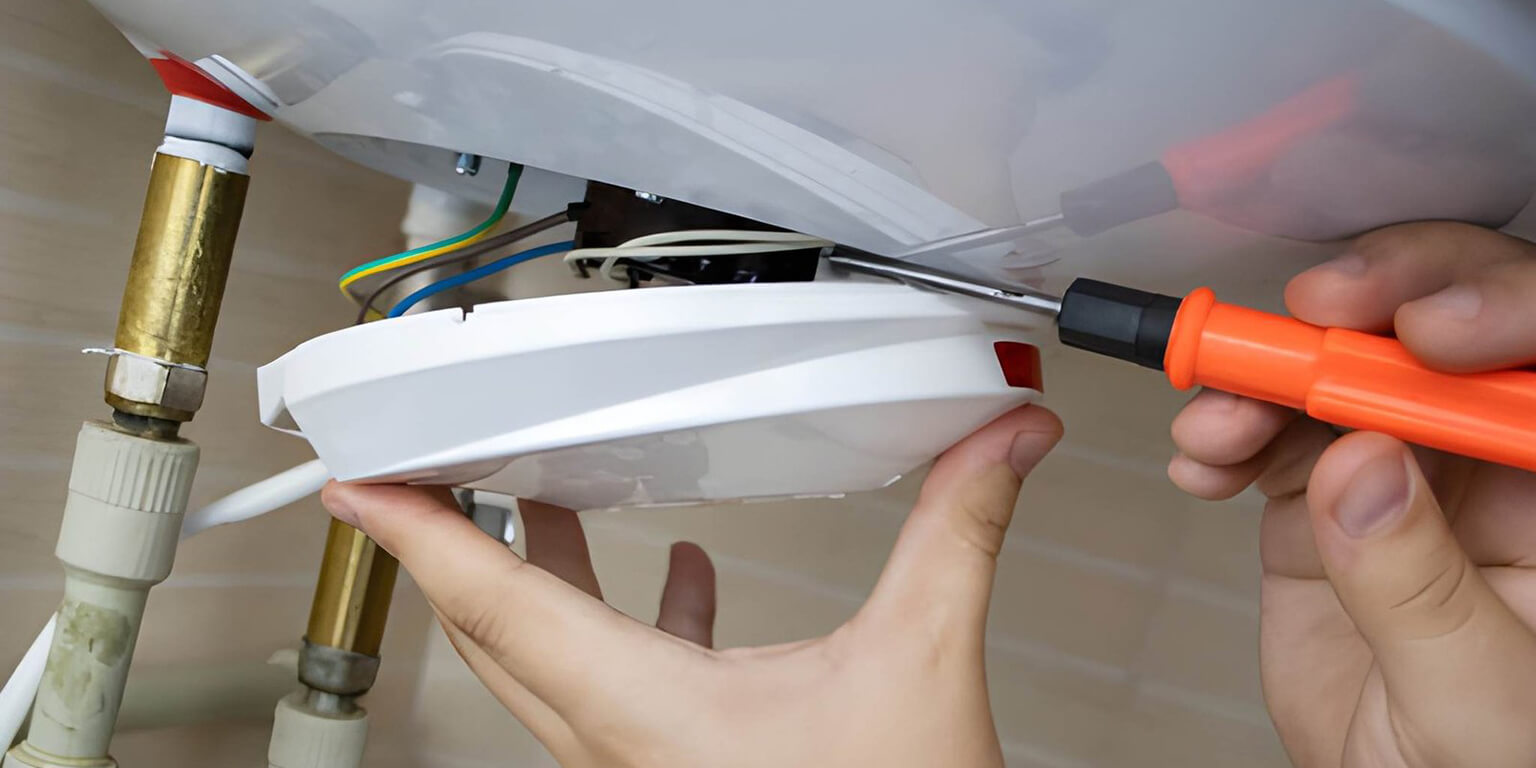
Here's something a lot of homeowners don't realise: your air conditioner is both the main defence against humidity and one of the most common causes of damp if it's not maintained properly. Condensate lines get blocked with dust, algae, or debris, and instead of draining away, water backs up around the unit or drips into the ceiling void. A clogged drain line is one of the more frequent issues we come across on AC callouts, and left alone, it turns into a damp ceiling patch fairly quickly.
Water Leaks and Plumbing Faults
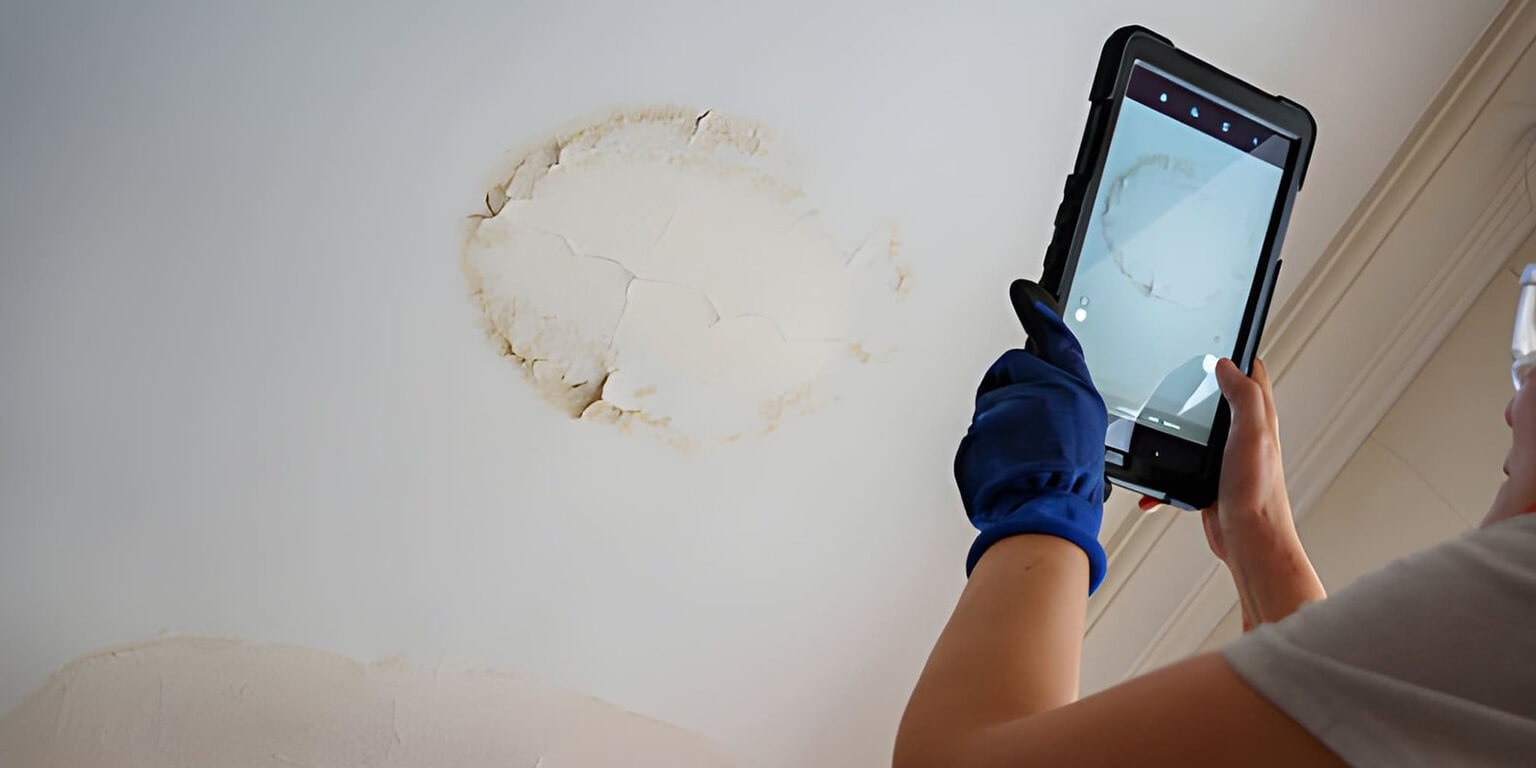
A slow leak behind a bathroom wall or under a kitchen sink can run for weeks before it's visible on the surface. By the time you see a stain or bubbling paint, moisture has usually already worked its way through drywall or plaster, giving mould exactly the damp surface it needs. Underground pipe leaks and rooftop waterproofing failures behave the same way, just on a bigger scale.
Sealed Buildings and Cold Surfaces
This one surprises people. Newer Dubai apartments and villas are often built tighter and better insulated than older properties, which is great for energy bills but not always for airflow. When a cold surface, an AC duct, a poorly insulated exterior wall, a window frame, meets warm, moist indoor air, condensation forms right there on the spot. It's the same principle as a cold drink sweating on a warm day, except it's happening quietly inside your wall cavity.
Seasonal Humidity Swings
Dubai's cooler months, roughly November through March, bring a different kind of risk. Outdoor humidity can spike overnight even as temperatures drop, and homes that ran AC constantly through summer sometimes get switched off or run less, which means less dehumidifying and more still, damp air sitting indoors.
What Dubai's Own Guidelines Say About Humidity
Most articles on this topic throw around a general recommendation to "keep humidity low" without saying what that actually means in numbers. Dubai Municipality has published specific figures, and they're worth knowing if you want a real benchmark instead of a guess.
Under the Technical Guidelines for Indoor Air Quality, relative humidity indoors should stay within a range of 20 to 60 percent, with the guidance explicitly warning that levels should never exceed roughly 56 percent RH at higher temperatures. The document states plainly that "the secret to controlling mould is to control moisture and relative humidity," and recommends keeping humidity below 60 percent, ideally closer to 50 percent, for the best protection. You can read the full Dubai Municipality technical guidelines for indoor air quality for the complete set of standards.
That lines up with international guidance too. ASHRAE's position on limiting indoor mould and dampness recommends keeping conditions dry enough that materials can dry out fully between wet periods, warning that persistent dampness is linked to asthma, respiratory infections, and allergic symptoms in occupants. You can review the full ASHRAE position document on limiting indoor mould and dampness if you want the technical detail behind the numbers.
A basic hygrometer, the kind sold in most hardware shops for under AED 50, is genuinely the easiest way to know where you stand. If it's regularly reading above 60 percent in any room, that's your cue to act, not wait.
Warning Signs Worth Taking Seriously
Mould rarely shows up as a dramatic black patch overnight. It builds gradually, and the early signs are easy to dismiss.
A musty smell is usually the first clue, even before anything is visible. Condensation that keeps forming on windows or mirrors, especially in the morning, points to humidity that's higher than it should be. Paint that bubbles, peels, or develops a slightly powdery texture often means moisture is trapped underneath it. Dark specks or patches behind furniture, inside wardrobes, or along skirting boards are frequently missed simply because nobody looks there.
Should you worry about a small spot in the corner of a bathroom ceiling? In most cases, catching it early and drying out the area is enough. Left for months, though, it spreads.
How to Prevent Damp and Mould in Dubai Homes: Practical Steps
Prevention here isn't complicated. It's mostly about airflow, moisture control, and not ignoring small issues.
Run Extractor Fans and Open Windows When You Can
Bathroom and kitchen exhaust fans exist for a reason, and running one during a shower and for twenty minutes after makes a real difference. On cooler, drier days, even ten minutes of open windows helps flush out trapped moisture that AC alone won't remove.
Keep AC Units and Drain Lines Clear
Since your air conditioner is doing most of the humidity control work in your home, a dirty filter, a blocked drain line, or a neglected coil undermines everything else you do. Getting your unit properly cleaned, including the drain lines and internal components, addresses one of the most common damp triggers in Dubai homes. Our AC cleaning service in Dubai covers exactly this, flushing drain lines and sanitising internal parts so moisture doesn't build up unnoticed.
Fix Leaks the Moment You Notice Them
A small drip today is a damp wall in a month. Don't wait for a stain to appear before calling someone out. Our water leakage repair service in Dubai deals with everything from AC condensate leaks to hidden plumbing faults, and the sooner a leak is found, the less damage (and mould) it leaves behind.
Leave Breathing Room Behind Furniture
Wardrobes, beds, and bookshelves pushed flush against an external wall trap air and moisture right where you can't see it. A gap of even a few centimetres lets air circulate and stops that hidden corner from becoming a mould magnet.
Watch Your Humidity Numbers
We covered the actual figures above, so use them. A hygrometer costs very little and tells you, in real numbers, whether your home is in a safe range or heading toward trouble.
Deal With Damaged Paint and Surfaces Properly
Peeling or bubbling paint isn't just cosmetic. It's usually a sign that moisture got in first. Repainting over the top without addressing the underlying dampness just hides the problem for a while. Our painting services in Dubai include proper surface preparation, which matters far more than the paint itself when damp has already been an issue.
Don't Wait for a Problem Before Scheduling Maintenance
Honestly, most of the damp and mould cases we see could have been caught earlier with a scheduled inspection. Regular AC servicing, plumbing checks, and general upkeep catch the small issues, a slow leak, a clogged drain, a failing seal, before they turn into a bigger repair. Our AMC contract plans in Dubai build these checks into scheduled visits throughout the year, covering AC, plumbing, and electrical systems together instead of waiting for something to break.
When to Call in a Professional
Small, surface-level mould on a windowsill or shower tile is usually manageable with regular cleaning and better ventilation. But if mould keeps returning after cleaning, covers a large area, or you can't find where the moisture is coming from, it's worth getting someone to look properly. Hidden leaks behind walls and in ceiling voids don't always show themselves until real damage has been done, and a proper inspection saves you from guessing. For general upkeep across your whole property, our home maintenance services in Dubai team can assess AC, plumbing, and structural issues in one visit rather than several separate callouts.
Ready to Deal With Damp and Mould Properly?
If you're seeing early signs of damp or dealing with recurring mould, sorting the cause now is a lot easier than fixing the damage later. Our team handles AC servicing, leak repairs, and general home maintenance across Dubai, and we can take a proper look at what's actually causing the problem in your home.
Get in touch with our team to book an inspection or ask a question, whichever you need first.
Frequently Asked Questions
.svg)
Damp and mould in Dubai homes are mainly caused by high outdoor humidity meeting cold indoor surfaces, poorly maintained AC condensate lines, and undetected water leaks. Poor ventilation in closed rooms makes all three worse, since trapped moisture has nowhere to go.
Persistent mould exposure is linked to respiratory irritation, allergic symptoms, and worsened asthma in sensitive individuals, according to health guidance from bodies like ASHRAE. It isn't usually an emergency, but it shouldn't be ignored, especially in homes with children, older residents, or anyone with existing respiratory conditions.
A musty smell coming from the vents, visible water staining around the unit, or damp patches on the ceiling near ductwork usually point to an AC-related cause. Blocked condensate drain lines are the most common culprit, and a proper cleaning service can flush and check these before they cause further damage.
Dubai Municipality's technical guidelines recommend keeping indoor relative humidity below 60 percent, with 50 percent or lower being safer still. A basic hygrometer will tell you where your home currently sits, and it's a small investment for the information it gives you.
No, painting over mould without treating the surface first only hides it temporarily, and it typically returns within weeks. The underlying moisture source needs to be dried out and addressed before repainting for the result to last.
Apartments generally benefit from AC servicing at least twice a year, while villas with larger systems often need three services annually given Dubai's extended cooling season. Regular filter and drain line checks in between full services help catch smaller issues before they become damp problems.
Table of content
- Extreme Heat and Overworking
- Poor Maintenance and Dirty Filters
- Incorrect Sizing of AC Units
- Low Refrigerant Levels
Recent Posts


Download our App







© 2026 GeeM.
.svg)