Renovation Approvals in Dubai: NOCs and Permits Explained

Post Details
Key Takeaways
- Renovation work that affects a property's structure, layout, or MEP systems usually needs a Dubai Municipality permit.
- You'll often need a developer or community NOC too, and sometimes clearances from DEWA and Civil Defence.
- Purely cosmetic work like painting and flooring generally doesn't need approval.
- Skipping approvals can lead to fines, stop-work orders, and problems when you sell.
- A licensed contractor can manage the whole approval process on your behalf.
The Short Version
Renovation approval in Dubai is required whenever the work affects a property's structure, layout, or mechanical, electrical, and plumbing systems, and it usually involves a Dubai Municipality permit plus a No Objection Certificate from your community developer. Cosmetic work such as painting or replacing flooring generally doesn't need approval. The exact requirements depend on your property and what you're changing.
Sounds like a lot of paperwork? It can be. But understanding it upfront saves you from fines, delays, and resale headaches later. Here's how it actually works.
Which Renovations Need Approval, and Which Don't
Not every project means a trip to the authorities. The dividing line is roughly this: are you changing how the building works, or just how it looks?
Work That Usually Needs Approval
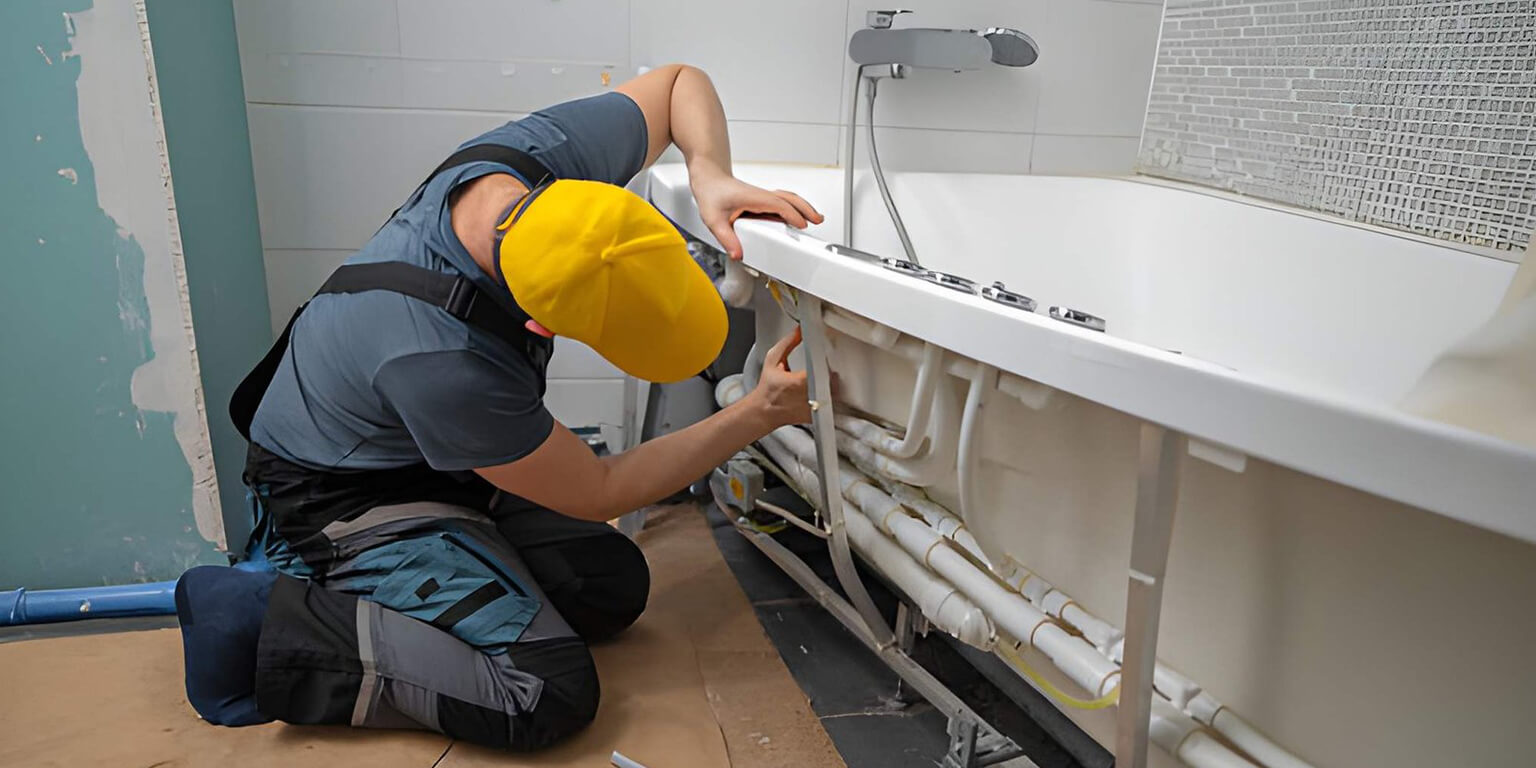
Anything structural or technical falls into this group. That includes removing or adding internal walls, changing the layout, altering the building's footprint, and any work touching the mechanical, electrical, or plumbing systems. Rerouting drainage, adding water points, increasing electrical load, or modifying AC ducting all count. If the change affects the building's safety or its core systems, assume it needs a permit.
Work That Usually Doesn't
Cosmetic updates generally don't require Dubai Municipality approval. Repainting, replacing flooring, swapping light fittings, or updating fixtures without moving plumbing or wiring are typically fine. Your community developer may still ask for a simple NOC even for minor works, so it's worth checking your building's rules.
Not sure which side your project sits on? When in doubt, ask before you start, not after.
The Approvals and NOCs You May Need
Renovation approval in Dubai isn't a single stamp. It's often a few different clearances that fit together.
Dubai Municipality Permit
For structural and MEP work, the main approval comes from Dubai Municipality, which oversees building and renovation permits and enforces the local building code. Drawings and documentation are submitted through the official building permit system, usually by a registered design consultant or licensed contractor acting for you.
Developer or Community NOC
Most communities in Dubai have a master developer, such as Emaar, Nakheel, or DAMAC, and they often require their own No Objection Certificate before work begins. This applies in many freehold and gated communities, and it's a common step people overlook. The developer wants to confirm your plans meet community standards.
DEWA Clearance
Changes to electrical or water infrastructure can need a No Objection Certificate from DEWA. Electrical work should always be carried out to the correct standards by qualified people, which is why we use DEWA-registered electrical services for any wiring or load changes during a renovation.
Civil Defence Approval
For work affecting fire safety systems, such as alarms, sprinklers, or emergency exits, approval from Dubai Civil Defence may be required. This is more common in villas with major changes and in commercial spaces, where fire safety sign-off is a serious matter.
How the Approval Process Works
The process follows a fairly consistent path, even if the details vary by property and community.
- Design and drawings. A registered consultant or licensed contractor prepares the technical drawings showing existing conditions and proposed changes.
- Developer NOC. You secure the No Objection Certificate from your master developer or building management first, since Dubai Municipality often wants this in place.
- Authority NOCs. Where the work affects utilities or fire safety, DEWA and Civil Defence clearances are obtained.
- Municipality submission. The complete drawings and documents are submitted to Dubai Municipality through the building permit system for review.
- Permit issued. Once approved, the permit allows work to begin legally on site.
- Completion and inspection. After the work is finished, an inspection confirms it matches the approved drawings, and a completion certificate closes the file.
Miss a step and the whole thing can stall. Getting the order right, especially the developer NOC before the Municipality submission, keeps the process moving.
How Long Approvals Take and What They Cost
Timelines and fees vary, so treat any figure as general guidance rather than a fixed rule.
Approvals run on the authorities' schedule, not yours, and they happen before construction can start. Depending on the property, the complexity of the work, and how quickly documents are prepared, the approval stage can add several weeks to a project. Fees also vary by the type and scale of the work and the authorities involved. For the current fee schedule and processing times, the official Dubai Municipality channels are the reliable source, and a licensed contractor can give you a realistic estimate for your specific project.
What Happens If You Skip Approvals
Cutting this corner is a genuine risk, not a technicality.
Unauthorised renovation work can lead to fines, stop-work notices, and, in serious cases, orders to undo the work at your own cost. The problem often surfaces later too, at resale, when a buyer's lawyer spots unpermitted changes during due diligence. Unapproved work can complicate or delay a Title Deed transfer and weaken your negotiating position on price.
So the paperwork isn't just about compliance today. It protects the value and the sellability of your property tomorrow.
How We Handle Approvals for You
Here's the good news: you don't have to manage all this alone.
As part of a renovation project, we prepare the drawings, handle approvals and developer NOCs where required, and coordinate with the relevant authorities, so the compliance side runs in parallel with the design rather than falling on your shoulders. Our renovation and fit-out team in Dubai manages the process from the initial drawings through to the final completion inspection. For a bigger project like a major villa renovation, that coordination is what keeps everything legal, on schedule, and stress-free.
Need Help With Your Renovation Approvals?
Approvals are one of the trickiest parts of renovating in Dubai, and they're exactly the kind of thing we take off your plate. Tell us what you're planning, and we'll advise on which approvals your project needs and manage the paperwork with the authorities from start to finish. Speak to our team or call 800 4336 to get your renovation moving the right way.
Disclaimer: This article is for general information only and does not constitute legal or regulatory advice. Renovation approval requirements, fees, and processes in Dubai are set by Dubai Municipality, community developers, DEWA, Dubai Civil Defence, and other authorities, and they change over time and vary by property. Always confirm current requirements with the relevant authorities and work with a licensed contractor before starting any renovation work.
Frequently Asked Questions
.svg)
Yes, you need approval for renovation work that affects your property's structure, layout, or MEP systems, typically a Dubai Municipality permit and often a developer NOC. Cosmetic work such as painting or replacing flooring usually does not require approval. Requirements vary by property and community, so it's best to confirm before starting.
A developer NOC is a No Objection Certificate from your community's master developer, such as Emaar, Nakheel, or DAMAC, confirming they permit your planned renovation. Many freehold and gated communities require it before work begins, and Dubai Municipality often wants it in place before reviewing your application. It confirms your plans meet community standards.
Renovation approvals in Dubai can involve Dubai Municipality for the building permit, your community developer for the NOC, DEWA for electrical or water changes, and Dubai Civil Defence for fire safety works. Not every project needs all of them. The authorities involved depend on the type and scope of your renovation.
Renovation approvals in Dubai typically add several weeks to a project, depending on the complexity of the work and how quickly documents are prepared. The approval stage happens before construction can begin, so it's important to build this time into your schedule. A licensed contractor can give you a realistic estimate for your project.
Renovating without the required approval can result in fines, stop-work orders, and, in serious cases, being required to reverse the work. Unpermitted changes can also cause problems at resale, as they may be flagged during due diligence and delay a Title Deed transfer. Securing approvals protects both your project and your property's value.
Yes, a licensed renovation company can manage the entire approval process on your behalf, from preparing drawings to securing NOCs and submitting to Dubai Municipality. This saves you time and reduces the risk of errors or missed steps. We handle approvals and developer NOCs as part of our renovation projects.
Table of content
- Extreme Heat and Overworking
- Poor Maintenance and Dirty Filters
- Incorrect Sizing of AC Units
- Low Refrigerant Levels
Recent Posts


Download our App







© 2026 GeeM.
.svg)