Do You Need a Permit to Renovate a Villa in Dubai?
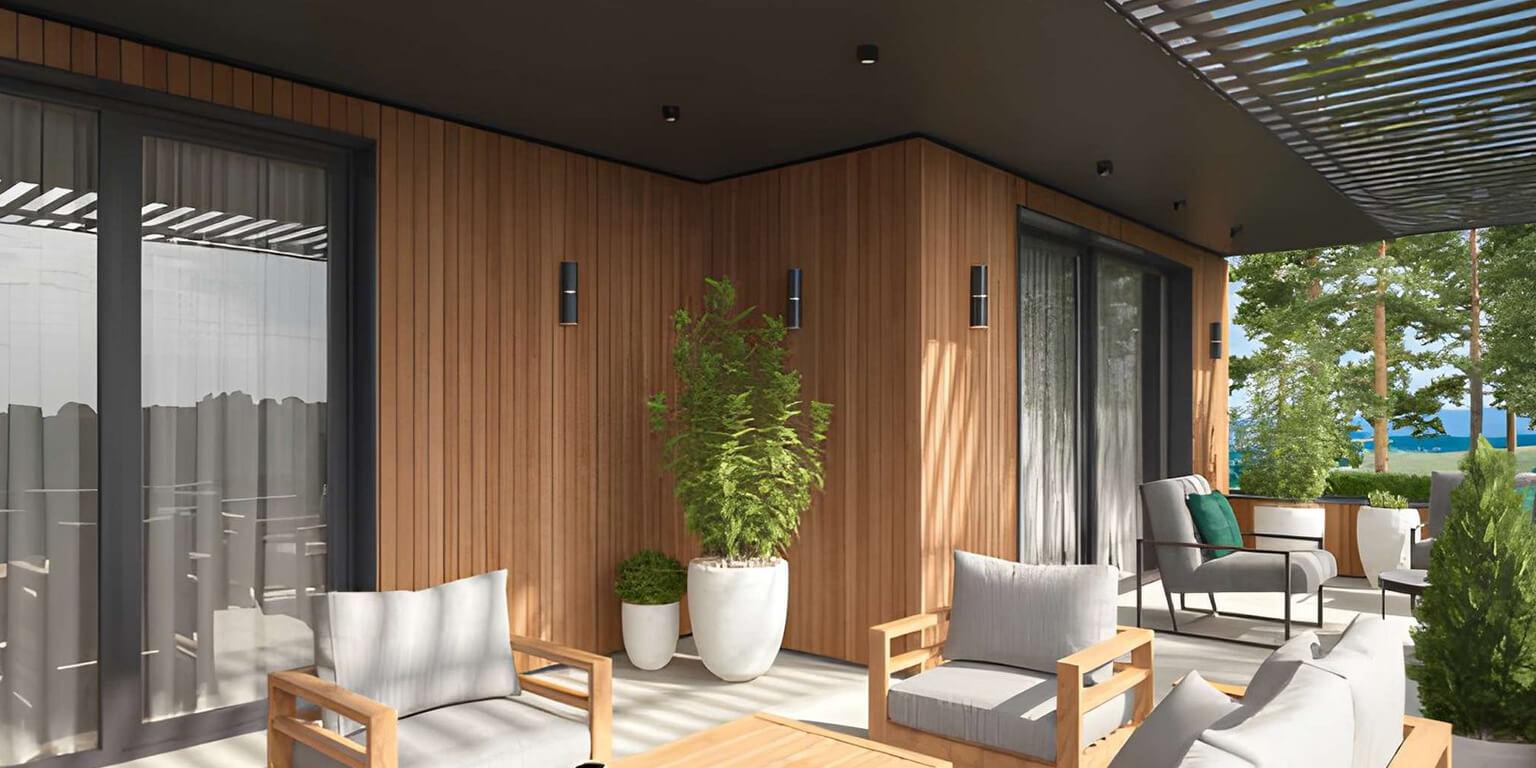
Post Details
Key Takeaways
- Yes, most structural, external, or MEP villa renovations in Dubai need a permit, while cosmetic work usually doesn't.
- Villa communities like Arabian Ranches or DAMAC Hills almost always require a developer NOC, even for some external work.
- Extensions, pools, and boundary changes have their own rules around plot coverage and setbacks.
- Major changes affecting fire safety or utilities may need Civil Defence and DEWA clearance.
- Skipping villa approvals can bring fines and complications when you sell.
The Short Answer
Yes, you usually need a permit to renovate a villa in Dubai if the work affects the structure, the exterior, or the mechanical, electrical, and plumbing systems. On top of the Dubai Municipality permit, most villa communities also require a No Objection Certificate from the master developer. Purely cosmetic work, like repainting or new flooring, generally doesn't need approval.
Villas come with a few extra rules that apartments simply don't. Extensions, pools, boundary walls, and community aesthetics all come into play. So let's look at what a villa renovation actually needs.
Villa Work That Needs a Permit
Villas give you room to do more, which also means more of what you do needs signing off. Here's the work that typically requires approval.
Structural Changes
Moving or removing walls, changing floor levels, altering the roof, or touching anything load-bearing needs a permit. A structural engineer's input and Dubai Municipality sign-off are usually part of the process, because you're changing how the building holds itself up.
Extensions and External Works
This is where villas differ most from apartments. Adding a room, building a majlis, extending the kitchen, or putting up a covered parking area or external structure all need approval. Anything that changes the villa's footprint or its outside appearance falls under community and Municipality rules.
Pools and Landscaping
Building a swimming pool is a permitted activity, not a weekend project.
Pools involve structural work, water and drainage connections, and safety considerations, so they need proper approval and design. Major landscaping, water features, and hard paving can also need sign-off, depending on the scope and your community's rules. If you're planning a pool as part of a professional villa renovation in Dubai, factor the approvals into your timeline from the start.
MEP Changes
Rerouting plumbing, adding bathrooms, increasing electrical load, or modifying the AC system counts as MEP work and generally needs approval. Any electrical changes should be handled by qualified people, which is why we use certified electrical services in Dubai registered with the relevant authority for villa rewiring or load changes.
Villa Work That Usually Doesn't Need a Permit
Not everything means paperwork. Cosmetic and surface-level updates typically don't require a Dubai Municipality permit.
Repainting inside or out in approved colours, replacing flooring, updating a kitchen without moving plumbing, swapping light fittings, and installing fitted wardrobes usually fall outside permit territory. Your community may still want a simple NOC for some of these, especially anything visible from outside. When in doubt, check before you start.
The Developer NOC: A Big One for Villa Communities
Here's the step villa owners most often overlook.
Most villa communities in Dubai sit under a master developer, such as Emaar, Nakheel, or DAMAC, and they usually require their own No Objection Certificate before you touch the property. This applies across many communities, from Arabian Ranches to Jumeirah villas to DAMAC Hills. The developer wants to protect the community's look and standards, so they review your plans, sometimes even for external work that Dubai Municipality might not require a full permit for.
Skip the developer NOC and you can face stop-work requests from your own community management, regardless of what the Municipality says. Getting this NOC early, and usually before the Municipality submission, keeps everything moving.
Pools, Extensions and Plot Rules
Want to extend or add a pool? Then plot rules matter.
Villas are subject to limits on how much of the plot can be built on, and to setback rules that keep structures a certain distance from boundaries. An extension has to stay within these limits, which is why a proper design and the right approvals matter before anything is built. Boundary walls, gates, and external shading can also be governed by community guidelines. The details vary by community and plot, so it's worth confirming what your specific villa allows before finalising a design.
Fire Safety and Utility Approvals for Villas
Bigger villa projects can pull in two more authorities.
Major structural changes or work affecting fire safety, such as alarms or emergency exits in larger villas, may need approval from Dubai Civil Defence. Changes to electrical or water infrastructure can need a No Objection Certificate from DEWA. And the core building permit for structural and external work comes from Dubai Municipality. Not every villa renovation involves all three, but a major one might, which is why coordinating them properly matters.
What Happens If You Skip Villa Approvals
Cutting corners on permits is a false economy.
Unauthorised villa work can lead to fines, stop-work notices from the Municipality or your community, and in serious cases orders to remove the work. It also comes back at resale, when unpermitted extensions or changes get flagged during due diligence and can hold up a Title Deed transfer. What looked like a saved week becomes a real problem down the line.
How We Handle Villa Renovation Approvals
You don't have to work all this out on your own.
As part of a villa project, we prepare the drawings, secure the developer NOC, and handle the Municipality and authority approvals where they're needed, coordinating the whole chain so it runs alongside the design work. Whether it's an extension, a pool, or a full interior reworking through our complete renovation and fit-out service, we keep the compliance side organised so your project stays legal and on track. Once it's done, a villa maintenance plan helps protect all that new work over time.
Planning a Villa Renovation? Let's Sort the Permits Together
Villa approvals can feel like a maze, and they're exactly the kind of thing we handle every day. Tell us what you're planning for your villa, and we'll advise on which permits and NOCs apply and manage the paperwork with your community and the authorities. Get in touch with our team or call 800 4336 to start your villa renovation the right way.
Disclaimer: This article is for general information only and does not constitute legal or regulatory advice. Villa renovation permit requirements in Dubai are set by Dubai Municipality, master developers, Dubai Civil Defence, DEWA, and other authorities, and they vary by community and plot and change over time. Always confirm current requirements with your community and the relevant authorities, and work with a licensed contractor before starting any villa renovation.
Frequently Asked Questions
.svg)
Yes, you generally need a permit to renovate a villa in Dubai when the work affects the structure, exterior, or MEP systems, plus a developer NOC in most communities. Cosmetic work such as painting or replacing flooring usually doesn't need a Municipality permit. Requirements vary by community, so confirm before starting.
Yes, most villa communities in Dubai require a No Objection Certificate from the master developer, such as Emaar, Nakheel, or DAMAC, before renovation begins. The developer reviews your plans to protect community standards, and this is often needed even for some external work. It's usually required before the Municipality submission.
Yes, building a swimming pool at a villa in Dubai requires approval because it involves structural work, water and drainage connections, and safety considerations. Pools need proper design and permits, not just a contractor. Major landscaping around the pool may also need community or Municipality sign-off depending on the scope.
You can extend a villa in Dubai, but extensions require approval and must comply with plot coverage limits and setback rules. These control how much of the plot can be built on and how close structures can sit to boundaries. A proper design and the right permits are needed before any extension work begins.
Cosmetic villa renovation such as repainting, replacing flooring, or updating fittings usually doesn't need a Dubai Municipality permit. Your community may still request a simple NOC for anything visible from outside. Work that stays internal and surface-level generally falls outside permit requirements.
Renovating a villa without the required permit can result in fines, stop-work orders from the Municipality or community management, and in serious cases orders to reverse the work. Unpermitted changes can also complicate a future sale by being flagged during due diligence. Securing approvals protects both your project and your resale position.
Table of content
- Extreme Heat and Overworking
- Poor Maintenance and Dirty Filters
- Incorrect Sizing of AC Units
- Low Refrigerant Levels
Recent Posts

Download our App







© 2026 GeeM.
.svg)