How Much Does Kitchen Renovation Cost in Dubai?
Post Details
Key Takeaways
- Kitchen renovation cost in Dubai depends mostly on cabinetry, worktops, appliances, and whether you move plumbing or electrics.
- Cabinetry and worktops usually take the largest share of the budget.
- A light refresh sits at the low end; a full renovation with a new layout sits at the top.
- Moving plumbing, gas, or electrics adds cost and may need approval.
- Save on finishes and appliances if needed, but never cut corners on the work behind the cabinets.
The Honest Answer
Kitchen renovation cost in Dubai depends mainly on the size of the kitchen, the quality of cabinetry and worktops, the appliances you choose, and whether you keep or change the layout. A cosmetic refresh sits at the affordable end, while a full renovation that moves plumbing and fits premium finishes sits much higher. The single biggest cost drivers are cabinetry and worktops, not the room itself.
Want a real figure for your kitchen? The only accurate way is a quote after a site visit. But understanding what moves the price helps you plan, so let's break it down.
What Drives Your Kitchen Renovation Cost
Two kitchens the same size can cost wildly different amounts. Here's where the money actually goes.
Cabinetry
Usually the biggest single cost. Cabinets span a huge range, from budget flat-pack to custom joinery built for your exact space. Material, finish, soft-close hardware, and whether they're standard or made-to-measure all move the number.
Worktops
The second big driver, and a place taste really shows in the invoice. Laminate is affordable, engineered quartz sits in the middle, and natural stone like granite or marble runs higher. Worktops also affect durability, which matters in a hard-working kitchen.
Appliances
Your appliance choice can quietly double a budget. Standard fittings are reasonable; premium and built-in appliances cost far more. Whether you're keeping existing appliances or replacing them makes a real difference.
MEP and Layout Changes
Keeping the same layout is cheaper. Moving the sink, hob, or adding new points means new plumbing, electrics, and sometimes gas work, which adds labour and often approvals. More on that below, because it catches people out.
Flooring, Lighting, and Finishes
Tiling, splashbacks, lighting, and paint round out the budget. Individually small, together meaningful, and easy to over- or under-spend on.
Cost by Scope: Refresh, Mid-Range, or Full Renovation
Kitchen projects generally fall into three tiers. Treat these as a way to place your project, not exact prices.
- Cosmetic refresh. Repainting or replacing cabinet doors, new worktops or splashback, updated fittings and lighting, keeping the layout. The most affordable route for a kitchen that works but looks tired.
- Mid-range renovation. New cabinetry and worktops, updated appliances, new flooring and finishes, mostly keeping the existing layout. A full new look without major structural change.
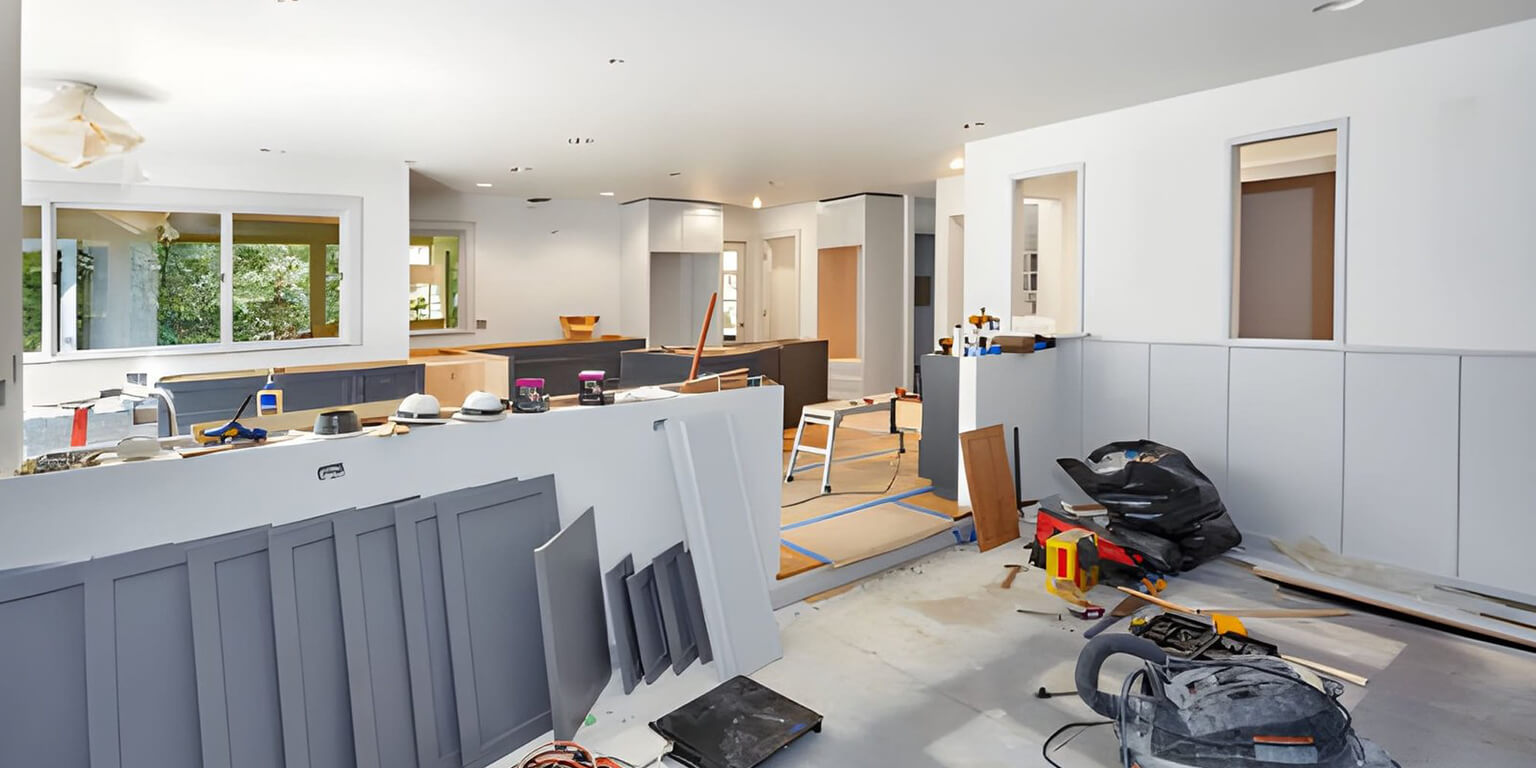
- Full renovation. A new layout, relocated plumbing and electrics, custom cabinetry, premium worktops and appliances, the works. The top of the range, and the biggest change to how the kitchen functions.
Notice the overlap. A high-spec refresh can cost more than a modest full renovation, because your material and appliance choices matter as much as the scope.
The Costs People Underestimate
Here's where budgets quietly blow out. Watch these.
Moving plumbing, gas, or electrics is the classic one. Relocating the sink or hob sounds minor but means new pipework, wiring, or gas lines, more labour, and often approval from Dubai Municipality, sometimes with input from DEWA for water or electrical changes. Worktop material is another, since stepping up from laminate to stone can add a surprising amount. Appliances catch people too, especially built-in or premium models. And older kitchens sometimes hide issues behind the units, like worn pipework, that only appear once work starts.
A contingency of around ten percent covers most of these surprises. Skipping it is how a project stalls halfway.
Where to Save and Where Not To
Not every part of a kitchen deserves the same spend. Choose wisely.
You can usually save on appliances by picking reliable mid-range models, on worktops by choosing quality quartz over premium stone, and on finishes by keeping them simple and timeless. Where you shouldn't cut corners is the work you can't see. Poor reliable plumbing installation or qualified electrical work behind the cabinets can cause leaks, faults, or safety issues that cost far more to fix than you ever saved. Cabinetry quality also matters, since cheap units wear fast in a kitchen that's used every day.
Spend where it lasts. Save where it shows less.
How to Budget for Your Kitchen Renovation
A little planning keeps the whole project calmer. Start here.
List your priorities honestly, separating what has to change from what would simply be nice. Set a figure you're comfortable with and split it roughly across cabinetry, worktops, appliances, MEP, and finishes. Keep that contingency aside. And get a detailed quotation rather than a rough estimate, so you're comparing real inclusions, not guesses. A vague quote almost always grows once the work begins.
How We Price Kitchen Renovations
We don't quote blind, because a kitchen has too many variables. Our process starts with a visit to assess the space, understand how you cook and live, and go through your ideas and budget. From there we prepare a design and an itemised quotation covering cabinetry, worktops, appliances, MEP, and finishes, so you can see exactly where your money goes. Because we manage design, plumbing, electrics, and installation under one team through our professional kitchen renovation in Dubai, there are no gaps between trades and no surprise extras appearing later.
Get an Accurate Kitchen Renovation Quote
The only way to know what your kitchen will cost is to have someone see it and price it properly. Tell us about your kitchen and what you'd like to change, and we'll give you a clear, itemised quotation after a free visit, with honest advice on where to spend and where to save. Book a free consultation or call 800 4336 to get started.
Disclaimer: This article is for general information only. Kitchen renovation involving plumbing, gas, or electrical work in Dubai is subject to Dubai Municipality, DEWA, and other requirements that vary by property. Costs mentioned are broad guidance, not quotations. Always work with a licensed contractor for MEP and gas work and obtain any required approvals before starting.
Frequently Asked Questions
.svg)
Cabinetry and worktops are usually the most expensive parts of a kitchen renovation, together taking the largest share of the budget. Custom cabinetry and natural stone worktops sit at the higher end, while flat-pack units and laminate are more affordable. Appliances can also add significantly depending on the models chosen.
Yes, changing the kitchen layout increases the cost because relocating the sink, hob, or appliances means new plumbing, electrical, and sometimes gas work. This adds labour and often requires approval in Dubai. Keeping the existing layout is a straightforward way to control the budget.
Yes, you can renovate a kitchen on a budget by keeping the existing layout, choosing quality mid-range appliances and worktops, and refreshing rather than replacing where possible. Spending carefully on finishes while keeping the work behind the cabinets to a proper standard gives the best value. A refresh delivers a new look for far less than a full renovation.
You usually don't need approval for cosmetic kitchen updates in the same layout, but moving plumbing, gas, or electrics generally does require it. Changes to water or electrical systems can involve Dubai Municipality and DEWA. A licensed contractor can confirm what your specific renovation needs and handle the paperwork.
A kitchen renovation usually takes from a couple of weeks for a refresh to several weeks for a full renovation with a new layout and custom cabinetry. Custom cabinetry and imported materials can extend the timeline. A contractor can give you a realistic schedule once the design and materials are agreed.
Table of content
- Extreme Heat and Overworking
- Poor Maintenance and Dirty Filters
- Incorrect Sizing of AC Units
- Low Refrigerant Levels
Recent Posts


Download our App







© 2026 GeeM.
.svg)