Preventive vs Reactive Maintenance for Dubai Properties

Post Details
Key Takeaways
- Preventive maintenance means servicing your property on a schedule to stop problems before they start. Reactive maintenance means fixing things only after they break.
- In Dubai's climate, preventive maintenance usually wins, because heat, dust and heavy AC use turn small faults into expensive failures fast.
- Reactive-only maintenance looks cheaper month to month, but it front-loads risk onto the worst possible moment, which is peak summer.
- The biggest saving from preventive maintenance isn't the repair discount. It's the breakdowns, energy waste and property damage that never happen.
- Preventive work also extends equipment life and protects your property's value, which reactive maintenance can't.
- Most properties are best served by mainly preventive maintenance with a fast reactive response for the rare surprise, which is what an AMC provides.
The Difference in One Line, Then the Detail
Preventive maintenance is servicing your property's systems on a planned schedule to catch faults early, while reactive maintenance is repairing things only after they fail. For most Dubai properties, preventive maintenance works out cheaper and less stressful, because the climate turns minor, ignored problems into major breakdowns quickly.
That's the core distinction. Now let's pull the two apart properly, because the gap between them is bigger here than almost anywhere else.
Both approaches keep a property running. They just do it in completely different ways, at completely different costs, with completely different amounts of drama. One is quiet and boring. The other tends to happen at midnight in August. We maintain homes and buildings across Dubai, so we've seen both play out many times over, and the pattern is remarkably consistent.
What Each Approach Actually Means
Let's define them cleanly, because the words get used loosely.
Preventive maintenance is planned. A technician visits on a schedule, inspects your systems, cleans what needs cleaning, tests what needs testing, and catches the small stuff before it grows. Filters cleaned, refrigerant checked, drain lines cleared, electrical connections inspected. Nothing has to be broken for a preventive visit to happen. That's the whole idea. This is sometimes called planned preventive maintenance, and our guide to planned preventive maintenance schedules goes deeper on how the routines are built.
Reactive maintenance is exactly what it sounds like. You wait. Something breaks. You call someone. They fix it, or replace it, usually at a premium and usually while you're already uncomfortable.
Here's the honest bit. Reactive maintenance isn't stupid. For some low-stakes items, waiting for failure is a perfectly reasonable strategy. Nobody runs a preventive programme on a light bulb. The question is where the line sits, and in Dubai, that line sits much further toward "prevent" than most people assume.
Why Dubai Changes the Maths
You could have this same debate in a mild climate and it would be closer. Here, it isn't close, and the reason is the environment your property lives in.
Think about what your AC endures. Months of extreme heat, running almost constantly, pulling in fine desert dust that clogs filters and coats coils. A system under that much load, in those conditions, doesn't age gently. It punishes neglect.
A clogged filter is the perfect example. DEWA's conservation guidance notes that dirty AC filters restrict airflow and cut efficiency, and recommends regular cleaning through summer. Skip that, and three things happen at once. Your bills climb. The system strains. And the strain shortens its life toward an early, expensive failure. One neglected filter quietly drives all of it.
Now scale that thinking across every system in the property. Water tanks that need regular attention under Dubai Municipality's technical guidelines. Plumbing carrying hard water. Electrical systems under heavy cooling load. In this climate, the cost of ignoring things compounds faster than people expect.
So the reactive approach that might be defensible elsewhere becomes a genuine gamble here. And the house usually wins.
The Real Cost Comparison
Reactive maintenance wins on paper for a simple reason. Most months, you pay nothing. No visits, no fees, no schedule. Just you and the quiet hope that nothing goes wrong.
Then something goes wrong.
A compressor fails in July. A pipe bursts behind a wall and the damage spreads before anyone notices. An electrical fault takes out half the property. Reactive maintenance concentrates all your cost into these moments, and they're the most expensive moments possible: emergency rates, peak-season premiums, and often collateral damage that a scheduled inspection would have prevented entirely.
Preventive maintenance spreads cost evenly and keeps it low. Small, regular, predictable. It trades the occasional catastrophic bill for a steady modest one, which for most property owners is the better trade by a wide margin.
But the headline repair cost is only the part you can see.
The costs reactive maintenance hides
- Energy waste. A neglected system runs inefficiently for months before it fails, quietly inflating every DEWA bill along the way. That waste never shows up as a "repair", but you pay it all the same.
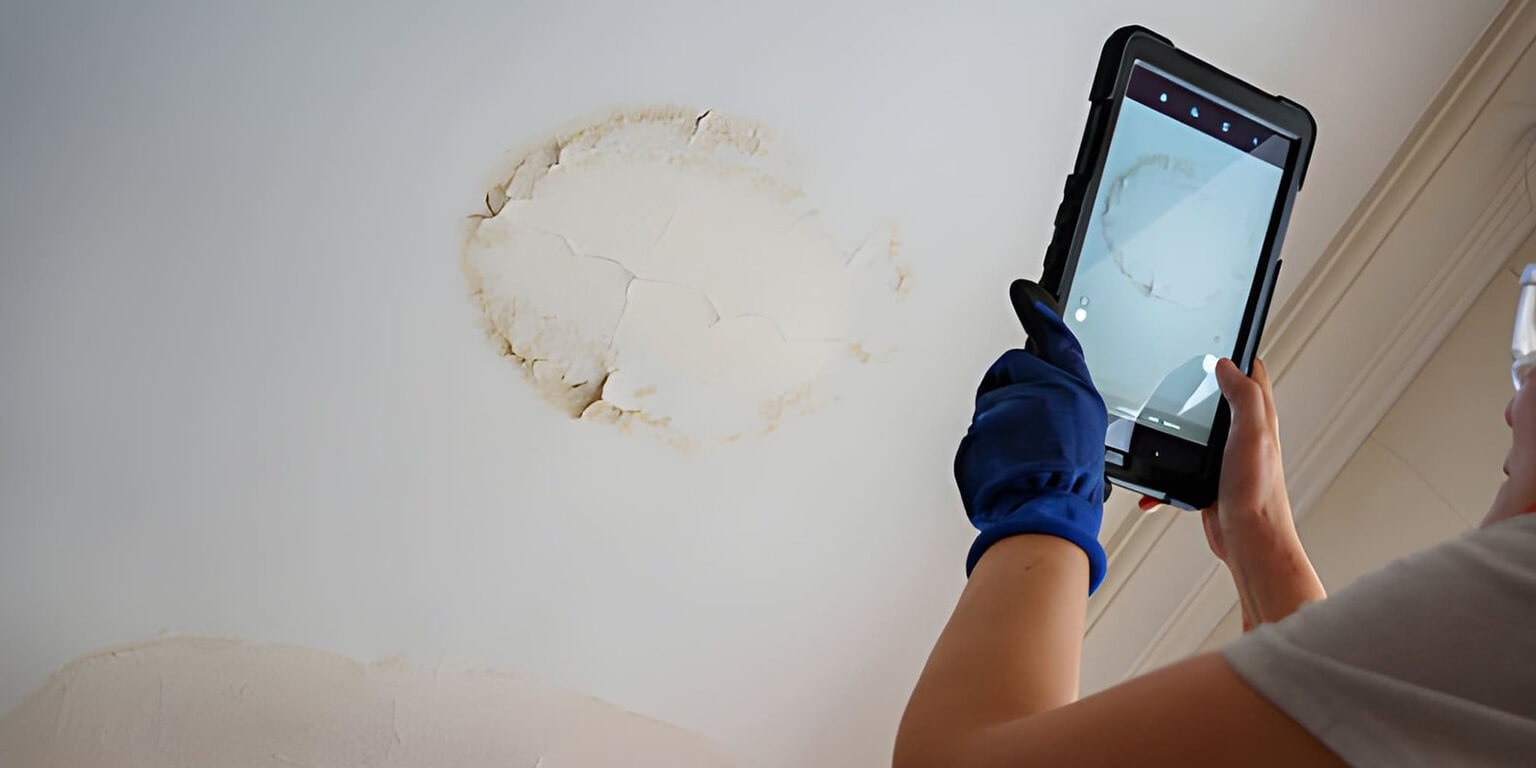
- Collateral damage. A slow leak caught early is a washer. Caught late, it's a ruined ceiling, warped flooring and a mould problem. Reactive maintenance often means paying for the failure and the damage it caused.
- Shortened equipment life. Serviced equipment lasts longer. Neglected equipment gets replaced years early, and replacement dwarfs servicing.
- Your time and stress. Emergencies happen on their schedule, not yours. There's a real cost to scrambling for a technician at 11pm that no invoice captures.
Add those up and the "cheaper" option often isn't.
The Saving Nobody Invoices You For
Ask yourself something. What's the cheapest repair you'll ever make?
The one you never had to make at all.
That's the part reactive maintenance structurally can't offer, and it's where the real value of prevention hides. A preventive visit that spots low refrigerant stops a compressor failure. A drain line cleared on schedule stops a flood. None of it is dramatic, none of it makes a good story, and that's precisely why it's easy to undervalue. Prevention's biggest wins are invisible, because they're things that didn't happen.
Reactive maintenance can only ever respond to damage. Preventive maintenance stops the damage occurring. One manages consequences. The other removes causes.
Which would you rather pay for?
Beyond Repairs: Protecting the Asset
There's a longer game here too, and it matters most if you own the property rather than just live in it.
Well-maintained systems last longer and hold their value. A property with a documented service history, working systems and no accumulated neglect is simply worth more, whether you're selling, renting it out, or handing it back at the end of a lease. Reactive maintenance leaves no history, no evidence of care, and a trail of systems limping toward early replacement.
For landlords and building owners, this is the difference between an asset that ages well and one that quietly decays between crises. Our facilities maintenance for buildings and communities is built around keeping that value intact through planned upkeep rather than constant firefighting.
Prevention isn't only about avoiding breakdowns. It's about what your property is worth at the end.
So Which Does Your Property Need?
Here's the honest answer, and it isn't "100% preventive, always".
The right setup for most properties is mainly preventive maintenance, with a fast reactive response ready for the genuine surprises. Because even a perfectly maintained property throws the occasional curveball. Prevention drastically reduces breakdowns. It doesn't promise zero. So you want both: scheduled servicing to stop most problems, and a reliable team on call for the rare one that slips through.
That combination is exactly what a good annual maintenance plan in Dubai delivers. Scheduled preventive visits as the backbone, priority emergency support as the safety net. You get the low, predictable cost of prevention and the fast response of reactive cover, without having to choose between them.
Where pure reactive might still be defensible: a brand new property under warranty, lightly used, where the developer or association handles the systems. Even then, that window closes fast.
For everything else in this climate, leaning preventive is the sensible call.
How We Approach It at GeeM
Our whole model is built around prevention, not just response.
Every plan starts with a free property inspection, so we understand the actual condition of your systems before we recommend anything. From there, scheduled servicing keeps things running, handled by directly employed certified technicians, with priority 24/7 support for the emergencies that prevention can't fully rule out. For cooling specifically, regular AC servicing in Dubai is where preventive maintenance pays off fastest, given how hard these systems work here.
The aim is straightforward. Fewer surprises, lower running costs, longer equipment life, and a property you don't have to worry about. That's what prevention buys, and it's a better deal than most people realise until they've lived both ways.
Move From Firefighting to Prevention
If you're tired of maintenance meaning "wait for something to break, then panic", we can help you switch to a calmer, cheaper approach. We'll inspect your property, build a preventive schedule around what it actually needs, and keep a fast response ready for anything unexpected, whether it's an apartment, a villa or a whole building.
Talk to our team or call us toll free on 800 4336. We'll give you an honest view of what your property needs and what it doesn't.
Disclaimer: This article is for general information only. Regulated work such as electrical and plumbing maintenance in Dubai must be carried out by suitably licensed and approved professionals, and requirements can vary by property, community and authority. Maintenance needs and schedules differ for every property. Always obtain a written scope of works from a qualified provider before commissioning maintenance.
Frequently Asked Questions
.svg)
Preventive maintenance is planned servicing carried out on a schedule to catch and fix problems before they cause failures, while reactive maintenance is repair work done only after something has already broken. Preventive maintenance aims to prevent breakdowns and extend equipment life, whereas reactive maintenance responds to faults as they occur, usually at higher cost and greater inconvenience.
Yes, preventive maintenance is usually worth it in Dubai because the climate puts systems under heavy strain. Extreme heat, dust and near-constant AC use turn small, ignored faults into expensive breakdowns quickly. Regular servicing keeps systems efficient, lowers energy bills, extends equipment life, and reduces the risk of failures during peak summer when repairs are most costly.
Preventive maintenance saves money for most properties, though the savings are broader than just cheaper repairs. It reduces energy waste from inefficient systems, prevents collateral damage like water leaks ruining floors, extends the life of expensive equipment, and avoids peak-season emergency rates. The largest saving is the breakdowns that prevention stops from ever happening.
Reactive maintenance can be reasonable for low-stakes items where failure is cheap and harmless, or for a new property still under warranty where systems are covered and lightly used. For most Dubai properties and major systems like AC, plumbing and electrical, relying only on reactive maintenance is risky because the climate accelerates wear and failures tend to arrive at the worst time.
Preventive maintenance frequency depends on the property and its systems, but AC generally needs servicing at least a couple of times a year, with more attention through summer, and other systems on their own schedules. A property with more units, a villa with its own water tank, or heavy usage needs more frequent visits. A proper inspection determines the right schedule for your specific property.
Yes, a good annual maintenance contract combines both, which is what makes it well suited to Dubai properties. Scheduled preventive visits form the backbone, catching most problems early, while priority emergency support handles the rare failures that prevention can't fully rule out. This gives you the low, predictable cost of prevention alongside a fast reactive response when it's needed.
Preventive maintenance does extend the life of AC units, plumbing and electrical systems by keeping them clean, efficient and free of the small faults that cause long-term wear. In Dubai's demanding conditions, regular servicing helps systems run as intended rather than straining, which delays costly replacements. Neglected equipment, by contrast, tends to fail years earlier than well-maintained equipment.
Table of content
- Extreme Heat and Overworking
- Poor Maintenance and Dirty Filters
- Incorrect Sizing of AC Units
- Low Refrigerant Levels
Recent Posts

Download our App







© 2026 GeeM.
.svg)