Signs of a Hidden Water Leak in Your Dubai Home
Post Details
Key Takeaways
- The most common signs of a hidden leak are damp patches, bubbling or peeling paint, musty smells, loose tiles, the sound of running water and a water meter that moves with everything switched off.
- In Dubai, watch for white salt marks on walls, a booster pump that switches on by itself and warm spots on the floor, which can point to a hot water pipe leaking under the tiles.
- Villas and apartments leak differently. Villas often lose water outdoors or from tanks, while apartment leaks tend to show up in the ceiling of the unit below.
- Not every drip is plumbing. AC condensate leaks are common and look similar, so it helps to know the difference.
- Early action keeps the repair small. Hidden leaks rarely fix themselves, and persistent damp leads to mould.
How Do You Know If You Have a Hidden Water Leak?
The clearest signs of a hidden water leak in a Dubai home are damp or stained patches on walls and ceilings, bubbling paint, a musty smell, loose or darkened tiles, the sound of running water when nothing's on, a water meter that keeps moving with every tap closed, and a sudden rise in water consumption on your DEWA bill.
Any one of these is worth a closer look. Two or more together usually mean water is escaping somewhere you can't see.
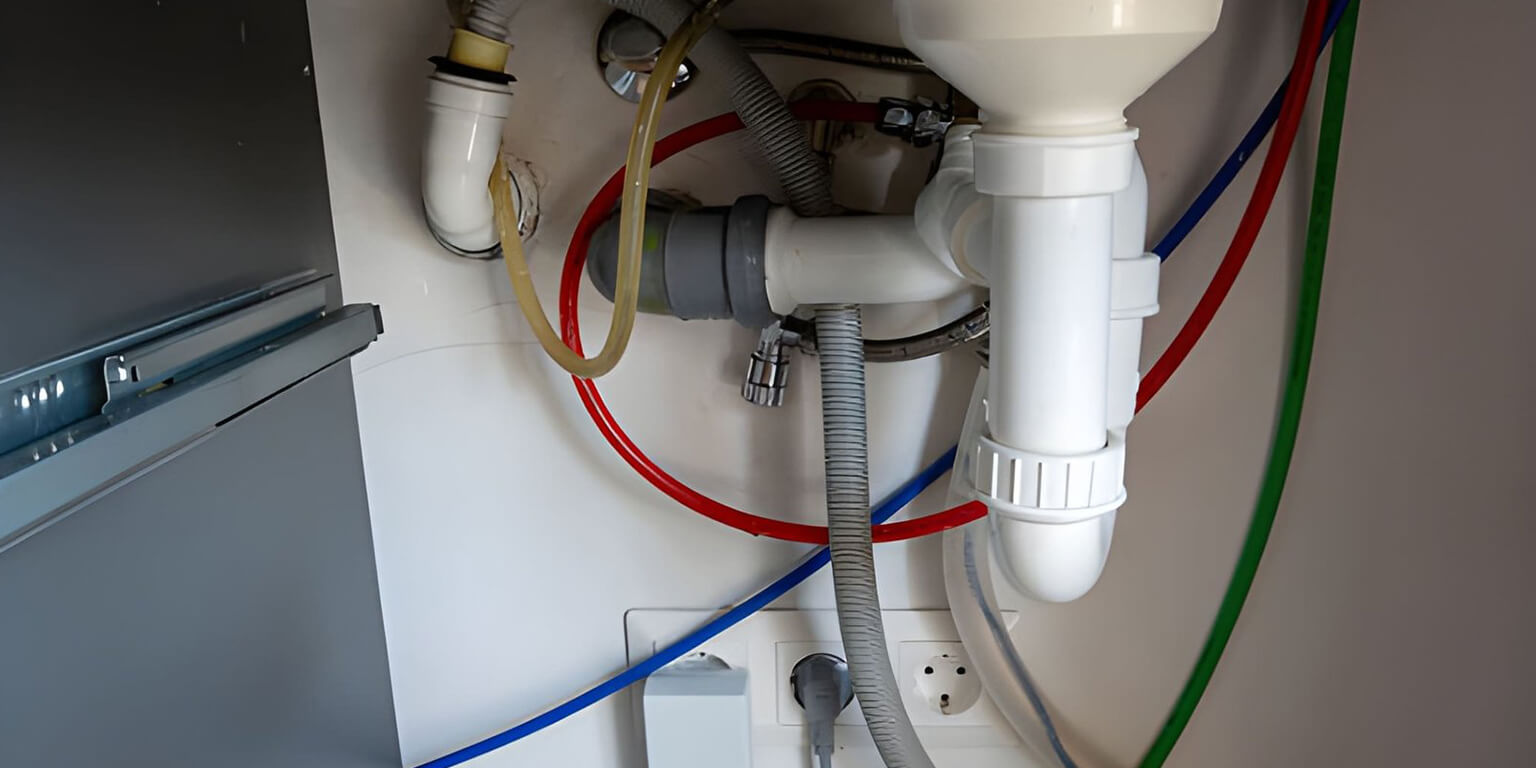
Most hidden leaks in Dubai homes come from concealed pipework. Supply pipes run inside walls and under floor screeds, drains run through ceiling voids, and in villas, pipes run underground to tanks, gardens and pools. When one of them fails, the water has plenty of places to go before it shows up.
The good news? Water almost always leaves clues. Here's what to look, listen and smell for.
Signs at a Glance
Signs You Can See
Stains, damp patches and bubbling paint
Ceiling stains are usually yellow or brown and often have a darker ring around the edge. On walls, the first sign is often paint that bubbles, blisters or flakes, particularly near the floor or around bathroom and kitchen walls where pipes run.
Don't just paint over them. The stain will come back, and the water behind it won't have stopped.
White salt marks
Here's a sign that's easy to mistake for dust or poor paintwork. When water moves through plaster or blockwork, it carries dissolved salts with it. As it reaches the surface and evaporates, it leaves a white, powdery or crystalline line behind. In Dubai's dry air, that evaporation happens quickly, so salt marks can appear before the wall ever feels wet.
Tiles and grout
Grout that stays dark long after you've cleaned, tiles that sound hollow when tapped, or tiles that lift or crack can all mean water is getting underneath. Shower trays, the area around toilets and kitchen floors near the sink are the usual places to check.
Mould
Black spots on silicone, on walls behind furniture or in wardrobe corners often mean the area is staying damp for long periods. The World Health Organization's guidelines on dampness and mould link persistent indoor damp and mould to respiratory symptoms, allergies and asthma, and treat preventing persistent dampness as the main way to avoid those effects. Cleaning the mould without finding the water source just buys time.
Signs You Can Hear
Homes are quiet at night, which makes it the best time to listen.
A faint hissing or trickling from inside a wall, the sound of a toilet cistern refilling when nobody's flushed, or water running in pipes when every tap is off are all worth investigating. Put your ear close to walls near bathrooms and the kitchen.
In villas, listen for the booster pump. If it switches on for a few seconds every so often with no taps open, something's drawing water. That's one of the most useful early warnings a villa has, and it's one most owners never think to check.
Signs You Can Feel or Measure
A warm patch on the floor
If one area of tiled floor feels noticeably warm, and there's no sun on it, a hot water pipe may be leaking in the screed underneath. It's more common than people expect in homes where hot water pipes run through the floor between the water heater and bathrooms.
Pressure changes
A slow drop in water pressure at several taps can point to a leak on the main supply line. Pressure that drops at just one tap is more likely to be a blocked aerator or a faulty mixer.
The meter and the bill
Your water meter is the most reliable test. Turn off every tap and water appliance, note the reading, wait 30 to 60 minutes and check again. If it's moved, water is escaping. DEWA recommends checking for leaks and acting quickly when you find them, and its notice on likely leak locations highlights water tanks, bathrooms, kitchens and swimming pools as the most common areas. DEWA's High Water Usage alert can also flag unusual consumption early. Our guide to why your water bill might suddenly be high walks through the meter test step by step.
Room by Room: Where to Check
Don't forget the water heater
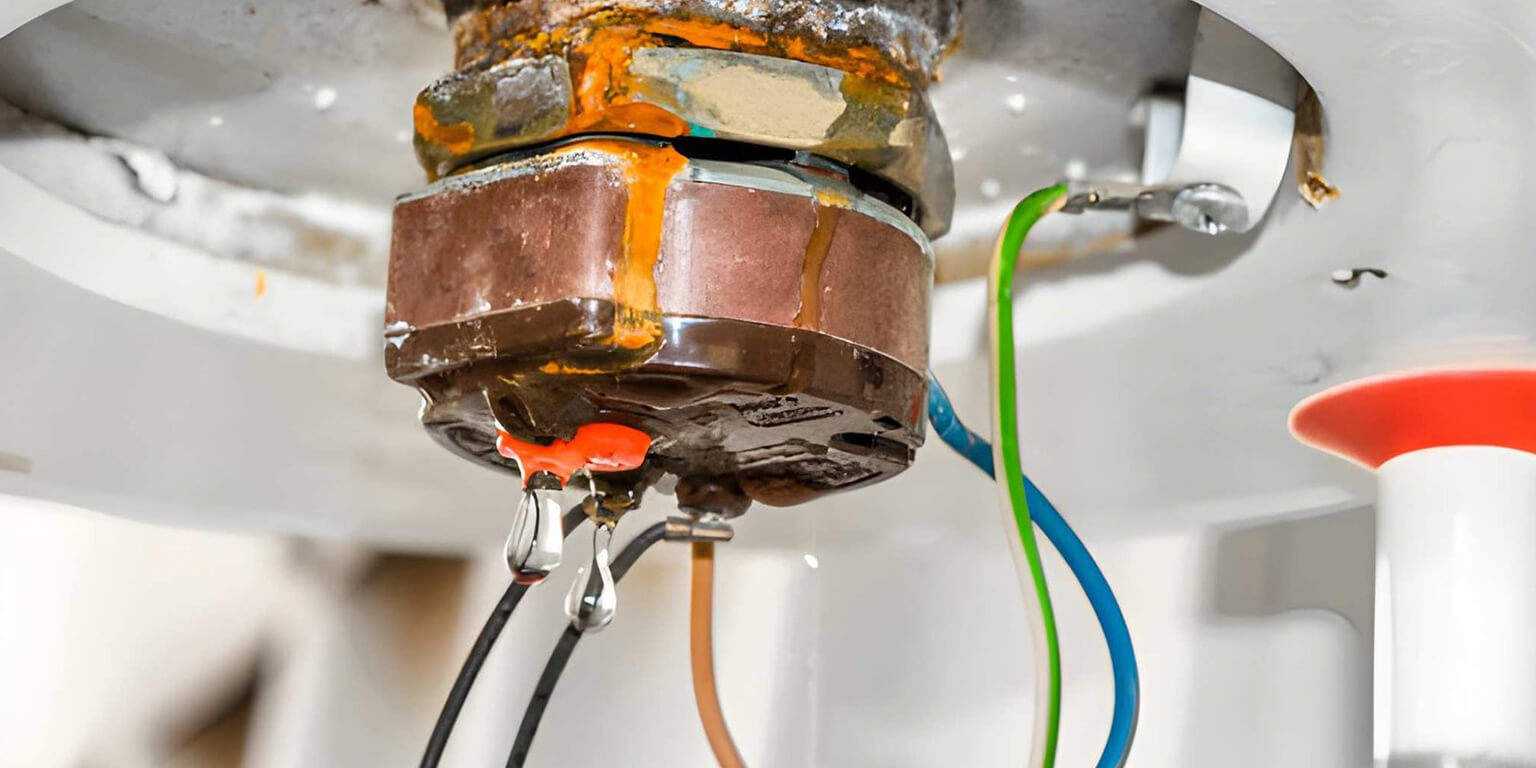
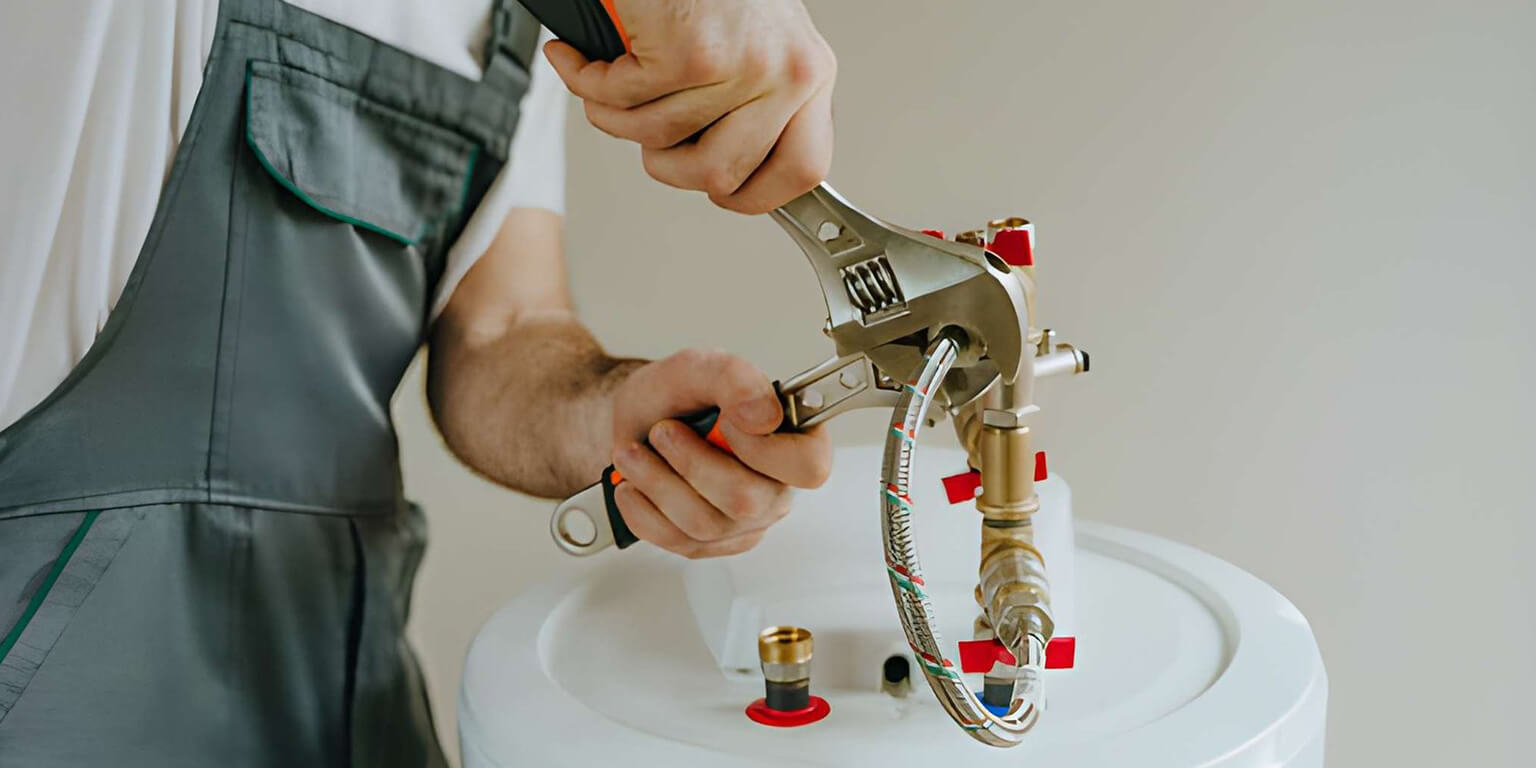
In many Dubai apartments, the water heater sits above the bathroom's false ceiling. A leaking connection, a corroded tank or a relief valve that drips constantly can soak the ceiling for weeks before anyone sees a stain. If you notice damp on the ceiling under the heater access panel, or water around its discharge pipe, our team handles water heater leak repairs and replacements.
Is It a Plumbing Leak or an AC Leak?
In Dubai, a lot of "leaks" turn out to be AC condensate. Split units and ducted systems produce water as they cool, and when a drain line blocks, that water ends up on walls and ceilings.
A few clues help tell them apart:
- AC leaks usually show up near or below an indoor unit or ceiling diffuser
- They tend to get worse when the AC runs hard, and ease when it's off for a while
- The water is clear and cool, with no pressure behind it
- The water meter won't move, because condensate doesn't come from your supply
Plumbing leaks carry on regardless of the AC, often show up near bathrooms, kitchens and pipe routes, and usually show on the meter. If you're not sure, a technician can check both in one visit.
Villas vs Apartments
Leaks behave differently depending on the home.
In villas, the biggest losses often happen outside: irrigation lines, underground supply pipes, pool plumbing and rooftop tanks with sticking float valves. They can run for weeks without any sign indoors, which is why the meter, the pump and the garden are your best clues.
In apartments, water tends to travel down. The first sign of a leak in your bathroom might be a stain on your neighbour's ceiling. If a neighbour reports damp, take it seriously and arrange an inspection quickly. In rented apartments, report it to your landlord or building management straight away so responsibility can be worked out and the repair isn't delayed.
What to Do If You Spot the Signs
- Check for safety first. If water is near light fittings, sockets or the distribution board, switch off power at the board if it's safe to do so.
- Do the meter test. It confirms whether water is escaping from your supply.
- Close the relevant valve. Isolate a toilet, basin or water heater if you've found the source. If not, and the leak is serious, close the main valve.
- Take photos. Useful for landlords, insurers and building management.
- Call a professional to find and fix the source.
How We Find Hidden Leaks
Finding a hidden leak is mostly about not making a mess looking for it. We use thermal imaging and acoustic equipment to trace leaks behind walls and under floors, which helps us avoid breaking tiles or plaster unnecessarily.
After a free inspection, we explain what we found in plain terms, give you an itemised quote before any work starts, carry out the repair, test the system and provide a written report. We cover villas and apartments across Dubai, from bathroom and kitchen leaks to concealed and underground pipework.
If you've noticed any of these signs, our hidden water leak detection and repair service can trace the source, or simply book a leak detection visit with GeeM. You can also call us on 800 4336.
Disclaimer: This article is general guidance for homeowners, tenants and property managers. It isn't plumbing, electrical or legal advice. If water is near electrical fittings, switch off power only if it's safe to do so and call a professional. Plumbing, water heater and electrical repairs should only be carried out by appropriately qualified professionals.
Frequently Asked Questions

The main signs of a hidden water leak are damp patches or stains, bubbling paint, musty smells, loose or darkened tiles, the sound of running water when nothing's on, a meter that moves with all water switched off, and a rising water bill.
You can confirm a leak with a meter test and narrow it down by checking for stains, warm floor spots and sounds near pipe routes. Professionals use thermal imaging and acoustic equipment to locate the exact source without unnecessary demolition.
Yes, a hidden leak keeps walls, floors or ceilings damp, which allows mould to grow. The WHO links persistent indoor dampness and mould to respiratory symptoms, allergies and asthma, so the leak should be fixed and the area dried properly.
A booster pump that switches on by itself usually means water is escaping somewhere in the system, from a running toilet, a leaking pipe or a faulty valve. A meter test will confirm it, and a technician can trace the source.
Responsibility depends on the cause and your tenancy contract, but landlords are generally responsible for failures in the property's plumbing. Tenants should report the leak to the landlord or building management promptly to limit damage.
Table of content
- Extreme Heat and Overworking
- Poor Maintenance and Dirty Filters
- Incorrect Sizing of AC Units
- Low Refrigerant Levels
Recent Posts

Download our App





© 2026 GeeM.
