Dubai Property Maintenance Laws Every Owner and Landlord Should Know

Post Details
Key Takeaways
- Dubai’s tenancy law makes the landlord responsible for maintenance during the lease unless the contract says otherwise, while the tenant must look after the property as a reasonable owner would.
- Developers are liable for structural defects for 10 years from the completion certificate, and for defective installations for one year from handover, under Dubai’s jointly owned property law.
- In buildings and master communities, common areas are maintained by a management entity and paid for through RERA-approved service charges. Your own unit’s systems stay your responsibility.
- Structural or external alterations need approvals, and tenants can’t make changes without the landlord’s consent and the required licences.
- Water, electrical, fire and holiday home rules add specific obligations, many of which require approved contractors and records.
What Do Dubai’s Property Maintenance Laws Say?
Dubai’s property maintenance laws place day-to-day maintenance during a lease on the landlord unless the tenancy contract says otherwise, require tenants to care for the property and avoid unauthorised changes, make developers liable for structural defects for 10 years and installation defects for one year, and assign common areas to a management entity funded by service charges.
That’s the core. In practice, most of it lives in two pieces of legislation: Law No. 26 of 2007 on landlords and tenants, and Law No. 6 of 2019 on jointly owned property. Around them sit technical rules from Dubai Municipality, DEWA and Dubai Civil Defence that set how certain systems must be maintained.
We’re a maintenance company, not a law firm, so this isn’t legal advice. But we deal with the practical side of these rules every day, and most disputes we see come from not knowing them. Here’s the plain-language version, with links to the official texts so you can check them yourself.
The Laws at a Glance
Landlord and Tenant Duties Under Law No. 26 of 2007
Dubai’s Law No. 26 of 2007 regulating the relationship between landlords and tenants is the starting point for any rented property.
The landlord’s default duty
Article 16 says that, unless the parties agree otherwise, the landlord is responsible for the property’s maintenance works during the term of the lease. That “unless otherwise agreed” matters. Many Dubai tenancy contracts split responsibility, often with tenants covering small repairs and landlords covering major ones.
Article 17 adds that the landlord can’t make changes to the property or its amenities that stop the tenant from using it fully for its intended purpose.
The tenant’s duties
Article 19 requires the tenant to maintain the property as an ordinary person would maintain their own property. It also says the tenant can’t make changes, restoration or maintenance works without the landlord’s approval and any licences required from the authorities.
Article 21 requires the tenant to hand the property back at the end of the lease in the condition they received it, apart from normal wear and tear or damage beyond their control. That’s why a dated move-in condition report matters so much.
When maintenance becomes an eviction issue
Article 25 lists the grounds for eviction. Two relate directly to maintenance. A landlord can seek eviction if the tenant makes a change that endangers the property’s safety. And at the end of a lease, eviction is possible if the property needs full renovation or comprehensive maintenance that can’t be done with the tenant in place, supported by a technical report from Dubai Municipality.
Disputes go to the special tribunal for landlord and tenant disputes, generally known as the Rental Disputes Centre.
For the practical split of costs between the two sides, our guide to who pays for maintenance between landlord and tenant goes into more detail.
Owners, Developers and Communities Under Law No. 6 of 2019
If you own an apartment, townhouse or villa in a building or master community, Dubai’s Law No. 6 of 2019 concerning jointly owned real property sets out who maintains what.
Developer defect liability
Article 40 is the one most new owners want to know about.
In practice, that means if your new home’s AC, plumbing or electrical installations show defects in the first year after handover, raise them with the developer first rather than paying for repairs yourself. Keep records of when you reported each issue.
Common areas and service charges
Common parts such as lobbies, lifts, corridors, pools and shared plant are managed and maintained by a management entity. In major projects, that’s the developer. In other projects, it’s a specialised management company. In master communities, the master developer manages the common facilities through an approved management company.
Owners pay their share of the annual service charges, worked out by the size of their unit, and Article 28 says owners can’t refuse to pay charges approved by RERA. The management entity also needs RERA approval before collecting them.
What service charges don’t cover is the inside of your unit. Your AC units, water heater, plumbing fixtures and internal electrics are your responsibility as the owner, or your tenant’s under the lease terms.
Alterations
Article 39 says substantial alterations to the structure or external appearance of a unit need approval from the master developer, the Dubai Land Department and the competent authority. Anyone who makes unauthorised alterations is liable for fixing any resulting damage at their own expense. In villa communities, the same logic usually applies through community rules and developer NOCs. Our guide to villa renovation permits in Dubai explains the approval process.
Technical Rules That Shape Maintenance
Beyond the two main laws, several authorities set specific maintenance requirements for certain systems and property types.
Water systems and hygiene
Dubai Municipality’s technical guidelines for Legionella control in water systems apply to many building types, including residential and commercial buildings. For the systems they cover, they set out requirements such as:
- Water storage tanks inspected at least monthly and cleaned and disinfected at least twice a year
- Hot water stored at 60°C or more
- Cooling systems cleaned and disinfected at least every six months
- Risk assessments reviewed at least once a year, with records available for Dubai Municipality inspection
For building owners and managers, this is often the most overlooked set of obligations.
Electrical installations
DEWA’s Regulations for Electrical Installations set the standards for how electrical systems are installed, protected and tested. For business owners, one detail stands out: they say industrial and commercial installations should be inspected at least every two years by an independent consultant or contractor, with the frequency for other installations depending on the type of installation.
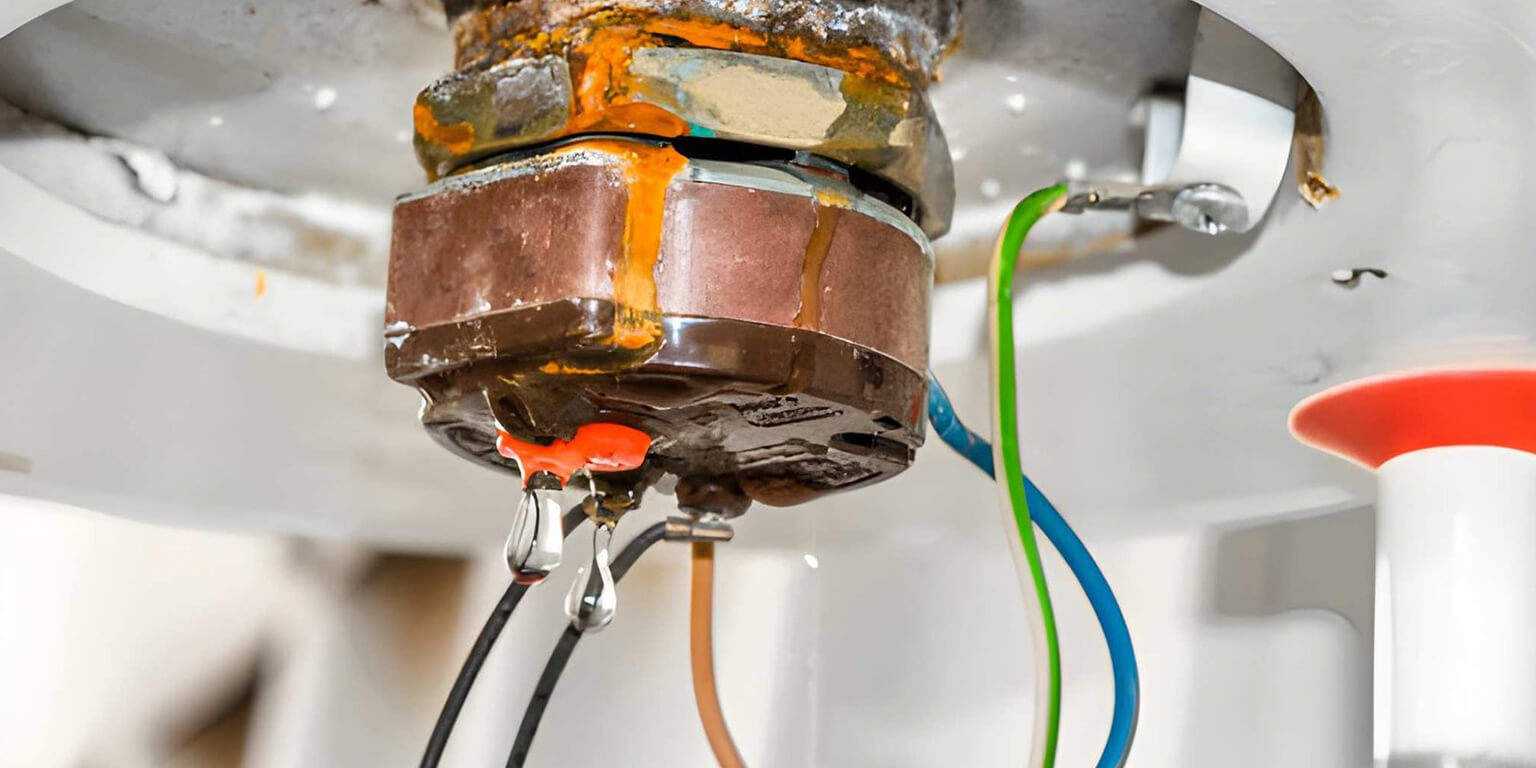
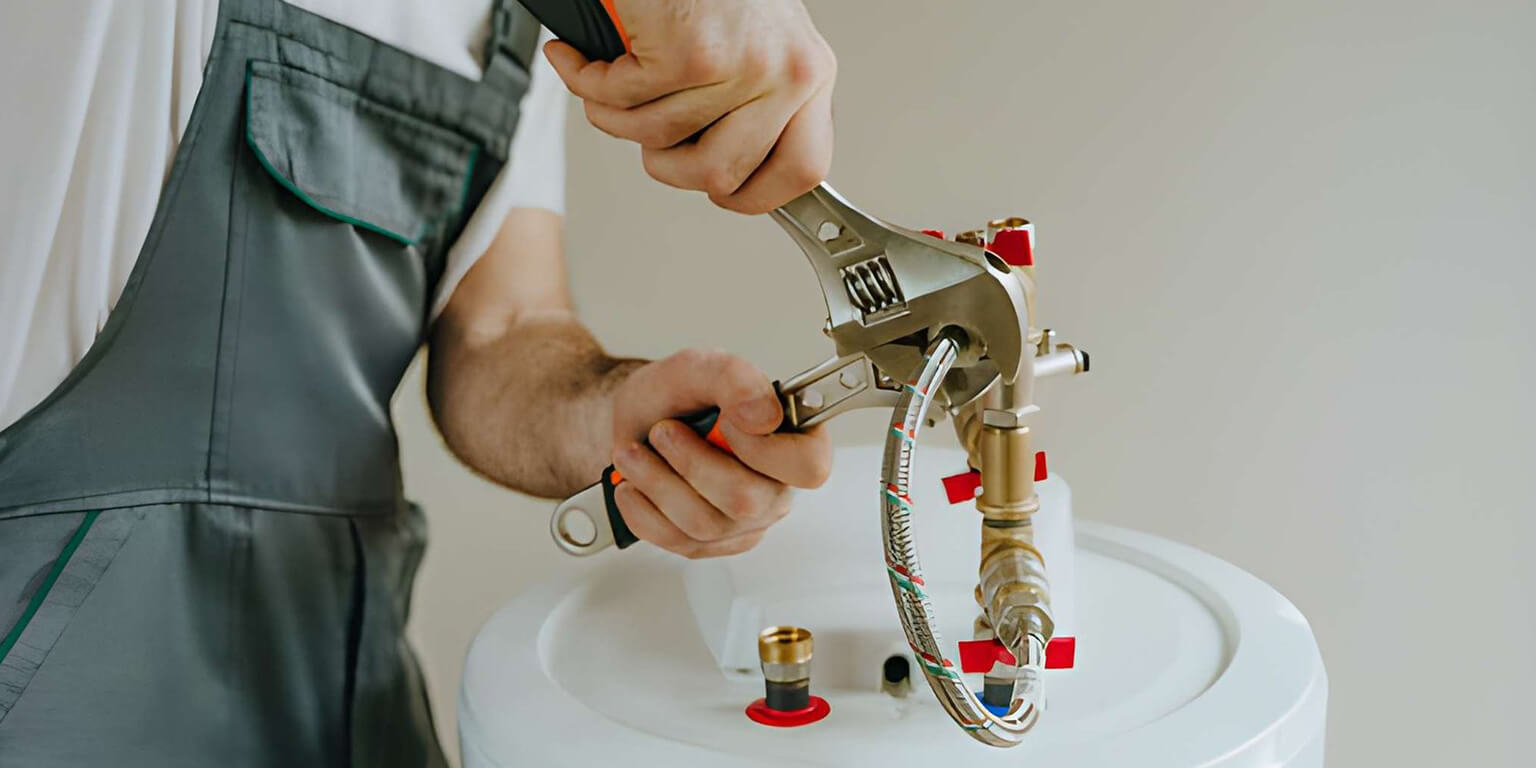
They also set specific requirements for equipment such as water heaters, including residual current protection and dedicated circuits. Electrical work should be carried out by DEWA-registered electricians.
Fire safety
Fire alarm, sprinkler and suppression systems in Dubai must be installed, tested and maintained by Dubai Civil Defence approved contractors. Most buildings need an annual maintenance contract with an approved fire company, alongside regular testing. Our guide to fire safety maintenance and Civil Defence rules explains how this sits alongside general maintenance.
Holiday homes
If you let your property as a holiday home, Dubai Municipality’s health and safety guidelines for holiday homes apply. They call for water tanks and systems to be cleaned and disinfected every six months by a Dubai Municipality approved company, periodic pest control by an approved company, regular AC maintenance, maintained fire extinguishers, and records kept available for inspection.
A Compliance Checklist for Owners and Landlords
Where Maintenance and the Law Meet in Practice
Most legal trouble around maintenance isn’t dramatic. It’s an AC that wasn’t fixed for weeks in August, a leak that damaged the flat below, or a deposit argument over wear and tear.
Three habits prevent most of it.
Put it in writing. A tenancy contract that clearly says who handles minor and major repairs, and a written report for every repair, removes most of the grey areas.
Act quickly. Article 16 makes maintenance the landlord’s job unless agreed otherwise, and slow responses are where disputes start.
Keep records. Dated reports and photos are your evidence, whether you’re dealing with a tenant, a developer, a management company or an inspector.
An annual maintenance contract helps on all three. Scheduled visits keep systems in working order, call-outs are handled promptly, and every job leaves a record.
How We Help Owners and Landlords Stay Compliant
We provide planned maintenance for villas, townhouses, apartments and commercial properties across Dubai, with scheduled preventive visits, emergency and non-emergency call-outs and documented service history. Electrical work is carried out by DEWA-registered electricians, and our processes are ISO-certified. Where a task needs a specialist, such as certified fire system work, we work alongside the approved contractor rather than in place of them.
You can see how our annual maintenance contracts for Dubai properties work, or speak to GeeM about maintaining your rental property. You can also call us on 800 4336.
Disclaimer: This article is general information, not legal advice. Laws, regulations and authority requirements in Dubai change, and how they apply depends on your property, contract and circumstances. For specific legal questions, consult a qualified UAE lawyer or contact the Dubai Land Department, RERA or the relevant authority. Electrical, plumbing, gas and fire safety work should only be carried out by appropriately licensed professionals.
Frequently Asked Questions

Under Article 16 of Dubai Law No. 26 of 2007, the landlord is responsible for maintenance during the lease unless the tenancy contract says otherwise. Tenants must still look after the property as a reasonable owner would and can’t make changes without the landlord’s approval.
Under Article 40 of Dubai Law No. 6 of 2019, developers are liable for structural defects for 10 years from the completion certificate and for defective installations for one year from handover. Owners should report defects to the developer in writing within those periods.
No, a tenant can’t make changes, restoration or maintenance works without the landlord’s approval and any licences required by the authorities, under Article 19 of Law No. 26 of 2007. Making changes that endanger the property’s safety can be grounds for eviction.
No, service charges generally cover the management and maintenance of common areas such as lobbies, lifts and shared facilities. Systems inside your unit, such as AC, water heaters and plumbing fixtures, remain the owner’s responsibility.
A Dubai landlord should keep the tenancy contract, move-in and move-out condition reports, repair job sheets, service reports, and any certificates for systems such as fire safety and water tank cleaning. Holiday home operators also need records required by Dubai Municipality’s holiday home guidelines.
Table of content
- Extreme Heat and Overworking
- Poor Maintenance and Dirty Filters
- Incorrect Sizing of AC Units
- Low Refrigerant Levels
Recent Posts
Download our App


© 2026 GeeM.
