Solar Water Heaters for Villas vs Apartments in Dubai: What Works Best?

Post Details
Key Takeaways
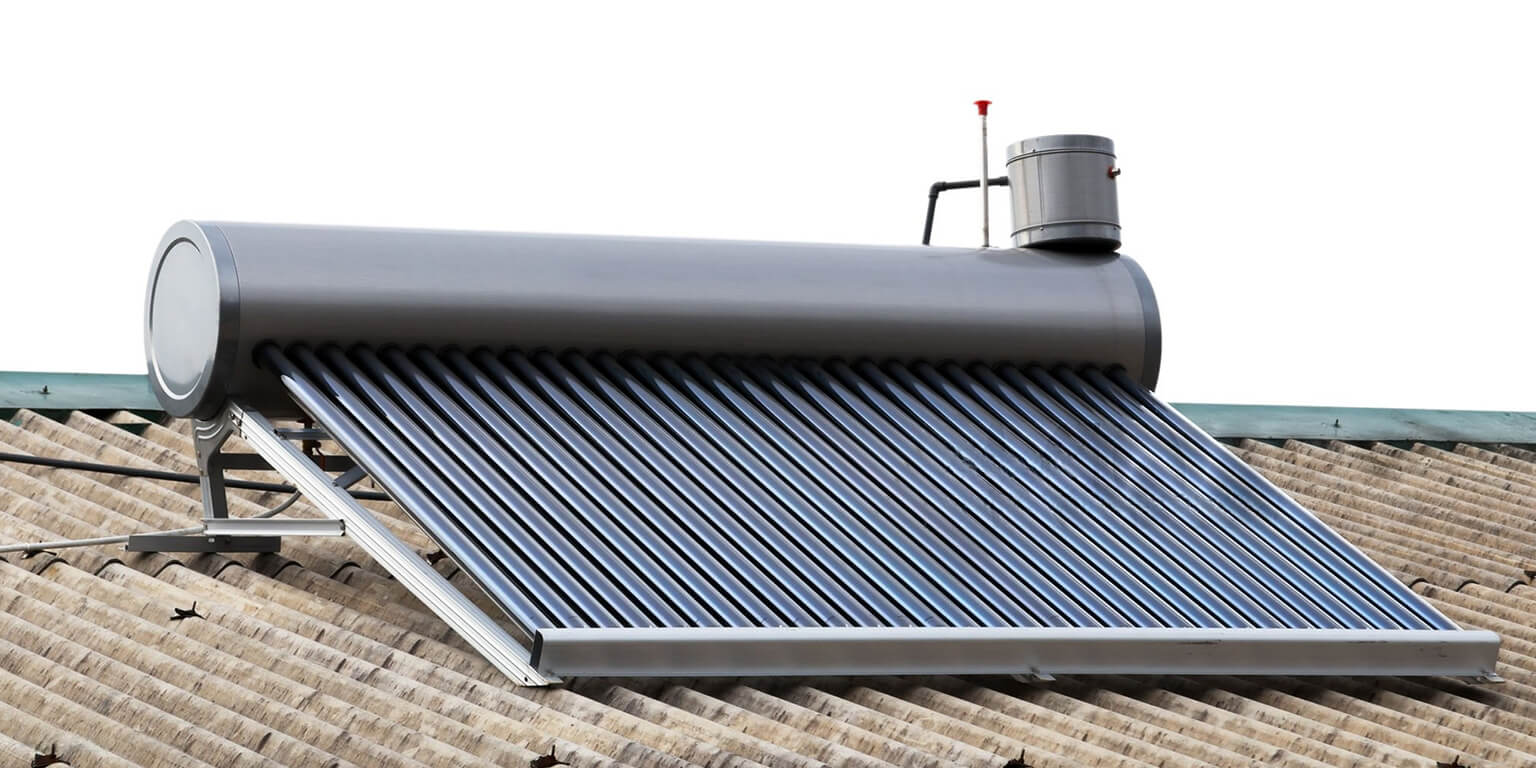
- Villas usually suit their own rooftop solar water heater, either a thermosiphon unit with the tank on the roof or a pumped system with the tank indoors.
- Individual apartments rarely can. The roof is common property, so solar in apartment buildings is normally a central system run by the building.
- Townhouses sit in between. Many newer ones already have rooftop solar, but roof space and shading are tighter than in detached villas.
- Who maintains the system changes completely. Villa owners look after their own, while central systems are maintained by the building’s management entity through service charges.
- Dubai Municipality calls for solar water heating in new villas and many other new buildings, so the choice is often made at design stage.
Villa or Apartment: The Short Answer
Solar water heaters work best on villas and townhouses, where the owner controls the roof and can install a dedicated system for the household. In apartments, individual solar heaters are rarely practical, because the roof is shared common property. Apartment buildings use central solar systems instead, designed into the building and maintained by its management entity.
So the real question isn’t which is better. It’s which arrangement your property allows.
For villa owners, that means choosing the right system, size and position. For apartment owners and tenants, it usually means understanding the building’s system, what it covers and who to call when it’s not working. Here’s how both sides compare.
Villas vs Apartments at a Glance
Why Solar Is Common on Dubai Villas
Dubai Municipality’s circular on solar water heating systems calls for solar water heating in new residential villas and many other building types, sized to supply at least 75% of the building’s hot water demand. That’s why rooftop collectors are a common sight across Dubai’s newer villa communities.
Villas also suit solar for practical reasons. There’s usually unshaded roof space, one household controls the system, and hot water demand is high enough, with several bathrooms and family showers, to make good use of the heat.
Thermosiphon or pumped?
Villa systems usually come in two forms.
Thermosiphon systems are simpler and have fewer parts to fail. Pumped systems keep the tank out of the sun and off the roof, which some owners and communities prefer for appearance. Either works well in Dubai when it’s sized correctly and kept clean.
What villa owners need to check
- Roof space and shading. Collectors need clear sun for most of the day. Neighbouring extensions, pergolas, trees and even new AC condensers can cast shadows.
- Sizing. The system should match the household’s daily hot water use and number of bathrooms, with the electric backup covering winter mornings and heavy-use days.
- Approvals. Visible changes to the roof or external appearance usually need approval from the master developer or community management before work starts.
- Maintenance. Dust and hard water are the main enemies, so plan for regular collector cleaning and a yearly service.
Townhouses: The Middle Ground
Townhouses behave like villas on paper, with private roofs and individual systems. In practice, roofs are smaller and rows of homes sit close together, so there’s less room for collectors and more chance of shading from neighbouring roofs.
Many newer townhouses already have rooftop solar fitted at handover. If yours does, the main job is keeping it working. If it doesn’t, check roof space and community rules before planning a retrofit.
How Solar Works in Apartment Buildings
In an apartment building, the roof isn’t yours. It’s part of the common property. Dubai’s Law No. 6 of 2019 on jointly owned real property says substantial alterations to a building’s structure or external appearance need approval from the master developer, the Dubai Land Department and the competent authority. Common parts are managed and maintained by the building’s management entity.
That’s why solar in apartment buildings is almost always a central system:
- Collectors on the roof, often in long rows, sized for the whole building
- Central storage, in large tanks or calorifiers in a plant room
- Circulation pumps that move hot water to each floor
- Backup heating, either centrally or through an electric heater in each apartment
In some buildings, the central system pre-heats water that then feeds a conventional electric heater in each apartment. In others, it supplies hot water directly to every unit. Our guide to commercial and central solar water heating explains how these larger systems are designed.
Water hygiene in central systems
Central hot water systems serve many people at once, so hygiene matters more. Dubai Municipality’s technical guidelines for Legionella control in water systems call for hot water to be stored at a minimum of 60°C, and for water heaters and calorifiers to be cleaned and disinfected at least twice a year, in the buildings they cover. That’s a building management responsibility, not something individual residents can arrange.
What apartment owners and tenants can do
If you live in an apartment, your options are mostly about the system you’ve got:
- Find out what you have. Ask building management whether hot water comes from a central solar system, an in-unit heater, or both.
- Report problems to the building, not a private contractor, if the central supply is lukewarm or inconsistent across floors.
- Look after your in-unit heater, if there is one. That part is usually your responsibility, or your landlord’s under the lease.
- Penthouses with private roof terraces are the rare exception, but even then, building and developer approvals apply before anything is installed.
For owners committees and building managers, solar plant belongs in the building’s maintenance scope. Our article on AMCs for owners associations and building management covers how shared systems fit into a building contract.
Which Option Fits Your Property?
If you’re weighing solar against a conventional heater for a villa, our comparison of solar and electric water heaters in Dubai covers running costs and payback in more detail.
Maintenance: Who Does What
The US Department of Energy puts the typical life of a solar water heater at around 20 years. In Dubai, reaching that depends heavily on the servicing above, whichever side of the table you’re on.
How We Help
We install, service and repair solar water heaters on villas, townhouses, low-rise buildings and shared residential and commercial systems across Dubai. For villa owners, that means advising on system type, size and position, then keeping it running with collector cleaning, descaling, valve and pump checks and backup element repairs. For buildings, it means working with the management team on the central plant. We provide documented service records, which help protect manufacturer warranties.
Find out more about our solar water heater installation and maintenance in Dubai, or book a solar water heater assessment with GeeM. You can also call us on 800 4336.
Disclaimer: This article is general guidance for homeowners, tenants, landlords and building managers. It isn’t legal or engineering advice. Approvals, community rules and Dubai Municipality requirements vary by property and can change, so confirm with your developer, building management or the relevant authority before installing. Solar water heater work involves pressurised hot water, electricity and rooftop access, and should only be carried out by trained, appropriately licensed professionals.
Frequently Asked Questions

Usually not, because apartment roofs are common property managed by the building, and alterations need developer, Dubai Land Department and authority approval. Apartment buildings that use solar normally have a central system serving all units.
Dubai Municipality’s circular on solar water heating calls for solar systems in new residential villas and many other new buildings, sized to meet at least 75% of hot water demand. Older villas built before the requirement may not have one.
Both work well in Dubai villas. Thermosiphon systems are simpler with fewer moving parts, while pumped systems keep the tank indoors and off the roof, which some owners and communities prefer.
A central solar system in an apartment building is maintained by the building’s management entity and funded through service charges. Residents remain responsible for any in-unit water heater under their ownership or lease terms.
Many townhouses have room for a compact rooftop system, and many newer ones already have solar fitted at handover. Smaller roofs and shading from neighbouring homes can limit the options, so a site check is worth doing first.
Table of content
- Extreme Heat and Overworking
- Poor Maintenance and Dirty Filters
- Incorrect Sizing of AC Units
- Low Refrigerant Levels
Recent Posts

Download our App





© 2026 GeeM.
