How Long Do Solar Water Heaters Last in Dubai? Lifespan and Warranty
Post Details
Key Takeaways
- A well-maintained solar water heater typically lasts around 20 years, and 10 to 20 years is a realistic range in Dubai depending on water quality and servicing.
- The parts don’t all wear at the same rate. Valves, anodes, pumps and the backup element need replacing during the system’s life, while the tank and collectors last longest.
- Manufacturer warranties are usually tiered: full cover for the first years, then cover for the tank and collectors only, often without labour.
- Warranties commonly exclude damage from poor water quality and expect the system to be installed and maintained correctly.
- Dated service records are your best protection when you need to make a warranty claim.
How Long Does a Solar Water Heater Last?
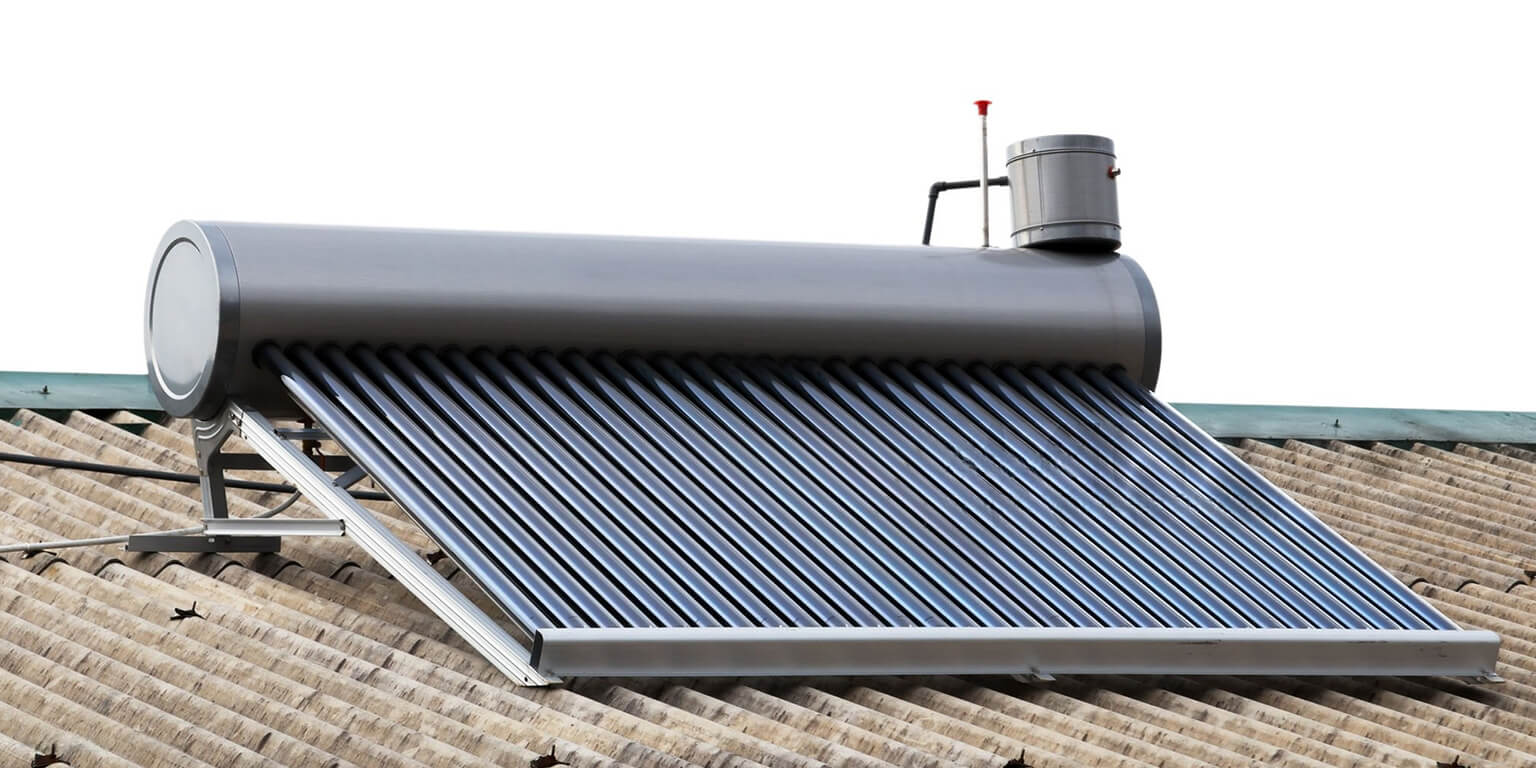
A solar water heater typically lasts around 20 years, according to the US Department of Energy, and in Dubai a well-maintained system usually lasts somewhere between 10 and 20 years. Where yours falls in that range depends mainly on water quality, how often it’s serviced, and whether worn parts such as valves and anodes are replaced on time.
That’s a long life for a home appliance. It’s also a range wide enough to matter. A system that gets a yearly service, clean collectors and an anode replaced when it should be can give you years more hot water than one that’s left alone on the roof.
This guide covers what wears out and when, what your warranty actually covers, and the habits that keep a system at the top of that range.
Lifespan Compared With Other Water Heaters
The US Department of Energy’s comparison of water heater types gives these typical lifespans:
On our solar water heater services page, we put the realistic range in Dubai at 10 to 20 years with proper maintenance. The lower end usually reflects systems that were never serviced. For the wider picture across electric and gas units, see our guide to how long water heaters last in Dubai.
Which Parts Wear Out First
A solar water heater isn’t one component with one lifespan. It’s a set of parts, and some are designed to be replaced along the way.
Manufacturer schedules give a sense of the timescales. Solahart’s thermosiphon owner’s manual, for example, recommends minor maintenance every six months, washing the collector glass at least every three months where there’s not enough rain to keep it clean, a major service every five years, and replacing the temperature and pressure relief valve at intervals of no more than five years. It also sets a maximum of eight years before the anode should be replaced on that model.
Other brands have their own schedules, so always check your system’s manual. But the pattern is the same: the big parts last if the small parts are looked after.
The Dubai Factor: Desalinated Water and Dust
Two things in Dubai push solar systems harder than the brochures assume.
Water quality
Dubai’s mains water is largely desalinated. Manufacturers pay close attention to water chemistry, because it affects how quickly anodes are used up, how fast scale builds and how long tanks last. The same Solahart manual advises inspecting the anode within five years in softened, desalinated or variable water supplies, and within three years where the water is very aggressive.
Scale is the other side of it. Mineral deposits build up on the backup element and at the bottom of the tank, and in direct systems they can narrow the collector channels. Regular flushing and descaling slows that down.
Dust and heat
Fine dust settles on collectors within weeks and cuts their output, which means the electric backup works harder and wears sooner. Roof-mounted tanks and pipes also sit in strong sun for months, which ages insulation, seals and valves. Neither will shorten the life of the tank by itself, but both add wear to the parts around it.
How Solar Water Heater Warranties Usually Work
Warranties vary a lot by brand, model and the distributor that sold the system in the UAE, so your own warranty document is the one that counts. But most manufacturer warranties follow a similar shape.
Two real examples show the range. Solahart’s manual describes cover for all components, including labour, in years one to five for complete new systems, then replacement of the cylinder or collectors only in years six to ten, with labour at the owner’s cost. Rheem’s domestic warranty terms for some premium solar models list seven years’ supply on the cylinder, five years on the collectors and one year on parts including labour.
Those are Australian terms for those brands. UAE warranties can differ, so check the paperwork from your supplier or developer.
What can void or limit a warranty
Read the conditions carefully. Common ones include:
- Water quality limits. Rheem’s terms say the warranty may not apply where the water has total dissolved solids above 2,500 mg/L, or is strongly scaling or corrosive by saturation index. Solahart’s manual sets similar limits.
- Correct installation. Many warranties apply only if the system was installed to the manufacturer’s instructions, and some apply only to single-family homes.
- Maintenance. Most manufacturers expect regular professional maintenance, and routine servicing costs are not covered by the warranty itself.
- Replacement parts. A replacement part usually carries only the balance of the original warranty, not a fresh one.
What to keep for a claim
Keep the purchase invoice, the installation date, the model and serial number, and dated service records. If a tank leaks in year seven, those records are what show the system was installed and maintained properly. We provide documented service records after every solar service for exactly this reason.
Signs Your Solar Water Heater Is Near the End
Age alone isn’t the deciding factor. These are:
- Water leaking from the storage tank itself
- Rusty or discoloured hot water, even after the anode has been checked
- Repeated failures of the backup element caused by heavy scale
- Collectors that are badly damaged, with many broken tubes or cracked panels
- Performance that keeps dropping even after cleaning, descaling and repairs
Most other faults are repairable. Valves, pumps, sensors, elements and insulation can all be replaced, and our guide to why a solar water heater stops heating covers the common causes and fixes.
If the tank itself is leaking, it usually needs replacing. On an older system, that’s often the point to look at the whole set-up.
How to Get the Longest Life From Your System
- Service it at least once a year. Heavily used systems may need more frequent checks.
- Keep the collectors clean. Wash them gently every few months, and after dust storms, early in the morning when the glass is cool.
- Replace the anode on schedule. It’s inexpensive, and it protects the most expensive part of the system.
- Have the relief and mixing valves checked. They’re safety parts as well as wear parts.
- Descale when needed. Especially in direct systems, where household water passes through the collectors.
- Fix leaks and insulation damage early. Small problems on a roof get bigger in the sun.
- Keep every record. It protects both your warranty and your resale value.
How We Look After Solar Water Heaters
We inspect collectors, tanks, valves, pumps, controllers, insulation and the backup element, clean the collectors, descale tanks and repair leaks. If something like a collector needs replacing, we explain what we’ve found and get your approval on the cost before going ahead. We work on the brands commonly fitted in Dubai, including Ariston, Zenith, VERA, MEGASUN, Kaltech and Green Thermal.
For electric backup elements, thermostats and conventional heaters, our water heater repair team can help too. When you’re ready, book a solar water heater service with GeeM, or call us on 800 4336.
Disclaimer: This article is general guidance for homeowners, landlords and property managers. Warranty terms quoted are examples from specific manufacturers’ published documents and may not match the terms that apply to your system in the UAE, so always check your own warranty. Solar water heater work involves pressurised hot water, electricity and rooftop access, and should only be carried out by trained, appropriately licensed professionals.
Frequently Asked Questions

Solar water heaters in Dubai typically last 10 to 20 years with proper maintenance, and around 20 years is the general figure given by the US Department of Energy. Water quality, dust and how often the system is serviced decide where a particular system falls in that range.
Solar water heater warranties vary by brand and supplier, but they often cover all components for the first few years and then the tank and collectors only for a longer period. Labour, routine maintenance and damage from poor water quality are commonly excluded, so check your own warranty document.
Yes, most manufacturers expect regular professional maintenance to keep a warranty valid, and routine servicing itself isn’t covered by the warranty. Keep dated service records so you can show the system was maintained.
Anode replacement depends on the manufacturer and the water supply, so follow your system’s manual. Solahart’s manual, for example, advises inspecting the anode within five years in desalinated water supplies and replacing it within eight years at most on its thermosiphon models.
It’s usually worth repairing a solar water heater if the tank is sound and the fault is in a replaceable part such as a valve, pump, sensor or backup element. If the tank is leaking or the collectors are badly damaged on an older system, replacement is often the better choice.
Table of content
- Extreme Heat and Overworking
- Poor Maintenance and Dirty Filters
- Incorrect Sizing of AC Units
- Low Refrigerant Levels
Recent Posts


Download our App





© 2026 GeeM.
