Home Maintenance Tips
& Expert Insights

Stay informed with expert advice, practical tips, and industry insights from Dubai's leading property maintenance professionals. Learn how to maintain your home, save on repairs, and keep your property in top condition year-round.

Thank you! Your submission has been received!
Oops! Something went wrong while submitting the form.
Blog categories
Thank you! Your submission has been received!
Oops! Something went wrong while submitting the form.
What Homeowners Should Know Before Upgrading Electrical Fixtures
Electrical Service
May 23, 2026

What Homeowners Should Know Before Upgrading Electrical Fixtures

Upgrading electrical fixtures isn't just a cosmetic change — it involves working with live circuits, wiring connections, and load capacity that all need to be assessed beforehand

Key Takeaways

  • Upgrading electrical fixtures isn't just a cosmetic change — it involves working with live circuits, wiring connections, and load capacity that all need to be assessed beforehand
  • Older Dubai properties in particular may have wiring that doesn't meet current standards, which affects what fixtures can safely be installed
  • DEWA's technical regulations set the framework for electrical installations in Dubai, and any upgrade should be compatible with those requirements
  • Switching to LED lighting, smart switches, or higher-rated fixtures changes the electrical demand on circuits in ways that aren't always obvious upfront
  • Some upgrades look straightforward but carry real risk when the existing wiring is aged, undersized, or incorrectly installed
  • A qualified electrician should assess the existing setup before any fixture upgrade begins, not after problems appear
  • Doing the work properly the first time is consistently cheaper than fixing a job that was done without the right checks

Changing a light fitting or replacing a set of switches sounds simple. And in many cases, the physical installation itself isn't complicated. But what sits behind the fixture — the wiring, the circuit rating, the condition of connections that may not have been touched in a decade — is where things get more involved than most homeowners expect.

We've seen this pattern repeatedly across Dubai properties. Someone decides to upgrade their lighting or install new smart switches, the job looks finished, and then months later there's a tripping breaker, a warm wall plate, or a flickering fitting that wasn't there before.

The upgrade wasn't the problem. The lack of a proper check before the upgrade was.

Start With the Wiring, Not the Fixture

Before you choose what you're installing, it's worth understanding what you're installing it into.

In many Dubai villas and apartments, especially those built more than fifteen years ago, the existing wiring may have been sized for a different load profile than what's in use today. Wiring that was adequate for the original fittings and appliances may be operating close to its rated capacity now, particularly during summer when AC systems are drawing heavily across the same circuits.

When you add a new fixture to an already loaded circuit, you're adding demand to a system that may not have much headroom left. In most cases this doesn't cause an immediate problem. But over time, consistently pushing circuits close to their limit degrades insulation, weakens connections at junction boxes, and increases the risk of faults that aren't visible from the surface.

So the starting question isn't "which fixture should I buy." It's "what is the current state of the wiring this fixture will connect to."

A qualified electrician in Dubai can assess that quickly and give you a clear answer before any work begins.

Understand What Your Existing Circuit Can Handle

Every circuit in your home has a rated capacity, expressed in amps. That rating determines how much load the circuit can carry safely before the breaker trips or, in a worst case, before the wiring overheats.

When you're upgrading fixtures, you need to know which circuit they're on and how much capacity that circuit has available. This is straightforward for a single light fitting. It becomes more relevant when you're replacing multiple fittings, installing recessed downlights across a large ceiling, or adding smart lighting systems that include control modules with their own power draw.

Switching to LED Isn't Always a Straight Swap

LED fittings use significantly less power than halogen or incandescent equivalents, which is generally a good thing for energy consumption. But there's a detail that catches people out: some LED drivers and dimmable LED fittings don't work correctly with older dimmer switches that were designed for higher-load incandescent bulbs.

The result is usually flickering, buzzing, or the dimmer not functioning properly across the full range. In some cases the LED driver can be damaged by an incompatible dimmer over time. If you're switching to LED and your existing switches are older dimmers, checking compatibility before installing is much easier than troubleshooting afterwards.

ESMA's energy efficiency labelling for lighting products provides guidance on rated performance for LED and other energy-efficient lighting in the UAE, which is worth understanding when selecting fittings.

Smart Switches and Home Automation: What to Check First

Smart switches are one of the more popular upgrades in Dubai homes right now, and for good reason. Being able to control lighting remotely, set schedules, and integrate with home automation systems adds genuine convenience.

But smart switches have specific wiring requirements that standard mechanical switches don't.

Most smart switches require a neutral wire at the switch position to function correctly. In older wiring installations, neutral wires weren't always run to switch positions because traditional mechanical switches don't need them. If your existing switches don't have a neutral, you either need a smart switch model that's designed to work without one (a smaller category, and not all perform equally well) or you need the wiring updated to bring a neutral to each switch position.

Finding this out after you've bought a set of smart switches is frustrating. Finding it out before means you can make an informed decision about which product to buy or whether to budget for a wiring update as part of the job.

This is exactly the kind of thing a quick inspection by a qualified electrician covers before any products are purchased.

Outdoor and Bathroom Fixtures Need the Right IP Rating

Not all electrical fixtures are rated for all environments. A fitting designed for a dry indoor space isn't appropriate for a bathroom, a covered outdoor area, or a kitchen directly above a sink.

Electrical fixtures are rated using an IP (Ingress Protection) code that describes how well they're protected against dust and moisture. For bathrooms, IEC 60364 zone requirements specify minimum IP ratings depending on how close a fitting is to water sources. Outdoor fittings in Dubai's climate also need to account for humidity, heat, and occasional dust ingress.

Installing a fitting with an insufficient IP rating in a wet or outdoor location is a safety issue, not just a compliance one. In a humid Dubai summer, moisture ingress into an inadequately rated fitting can create fault conditions that aren't immediately obvious but develop over time.

If you're upgrading fixtures in bathrooms, kitchens, balconies, or garden areas, checking the IP rating of what you're installing is a step that shouldn't be skipped.

Older Properties Need Extra Attention

Dubai has a significant stock of properties that were built during periods of rapid construction growth, and electrical standards and materials have evolved considerably since then. Wiring in some older buildings used materials or installation methods that don't meet current requirements and may have degraded meaningfully over time.

Before upgrading any fixtures in an older property, it's worth having the relevant circuits visually inspected. Discoloured insulation, connections that have been made without proper junction boxes, wiring that runs without conduit in areas where it should be protected — these are all things that affect whether an upgrade can be done safely on the existing infrastructure or whether some remedial work needs to happen first.

This isn't about making the job more complicated. It's about not installing new fittings onto a foundation that won't support them reliably.

As a home maintenance company in Dubai working across a wide range of property ages and types, we regularly find electrical conditions in older properties that the owner wasn't aware of until a proper inspection was carried out. The fixture upgrade becomes the opportunity to address issues that were already there.

What the Installation Process Should Include

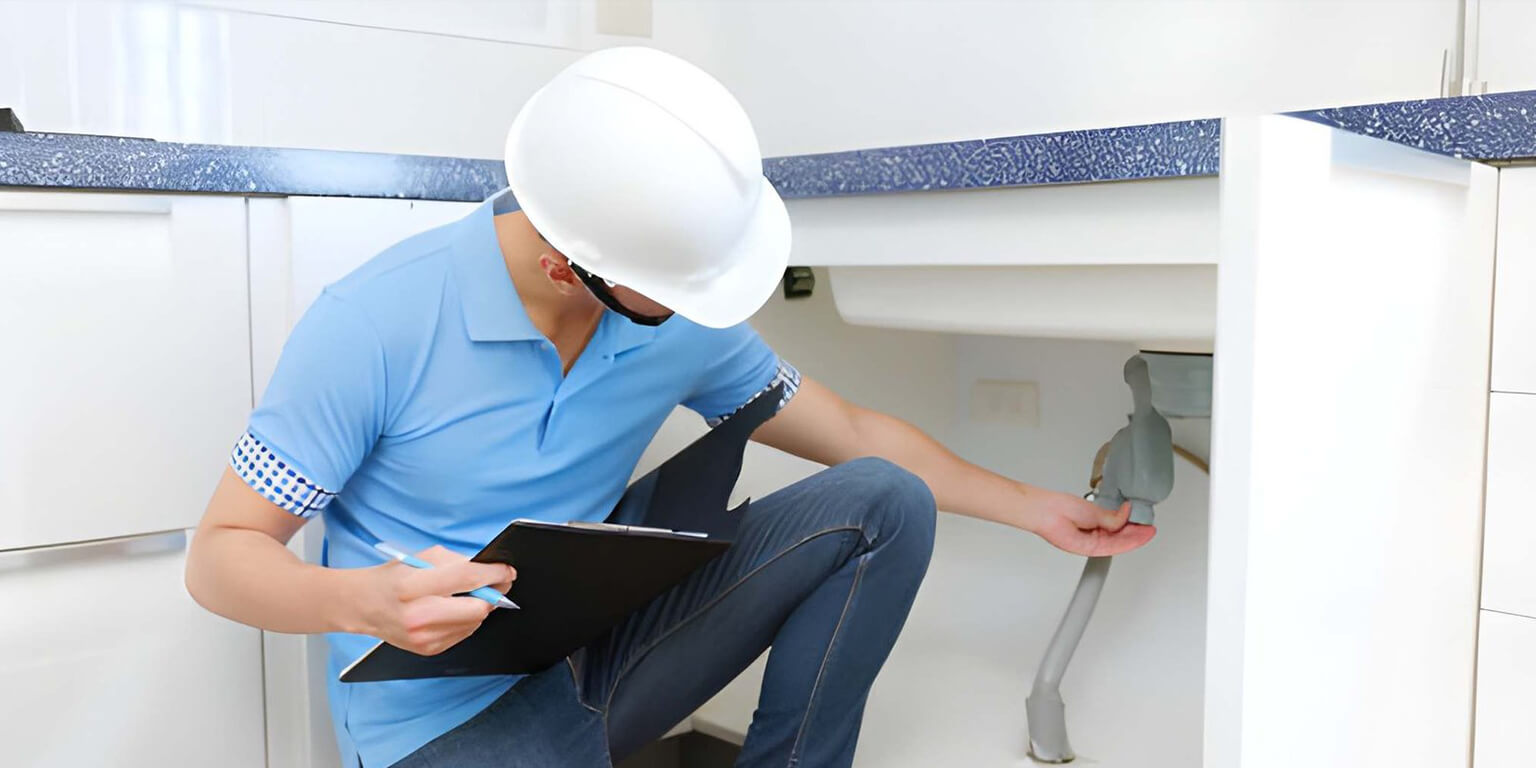
A proper fixture upgrade done by a qualified electrician isn't just the physical fitting of the new product. It should include:

  • Isolating the circuit correctly before any work begins, not just switching off the local switch
  • Checking the existing wiring condition at the connection point, including insulation, connection quality, and any signs of previous heat damage
  • Confirming the circuit rating is appropriate for the new fixture's load
  • Making connections using the correct terminal types and ensuring everything is secured properly before the fitting is closed
  • Testing the circuit after installation before the work is signed off

Shortcuts in any of these steps are where problems appear later. And in most cases, those problems are more expensive to fix than the original installation would have been to do correctly.

Our electrical services across Dubai cover all of this as standard, with a written record of what was inspected and what was done so you have documentation of the work carried out.

When to Combine an Upgrade With a Broader Inspection

If you're planning a fixture upgrade across multiple rooms or across an entire property, it's worth treating it as an opportunity for a broader electrical review at the same time. Having an electrician assess the condition of your distribution board, check circuit labelling and ratings, and identify any circuits that are operating close to their limits costs relatively little when it's done alongside the upgrade work.

For property owners managing villas or larger apartments, this kind of periodic review sits naturally within the scope of a broader Annual Maintenance Contract, where electrical, AC, and plumbing systems are all assessed on a regular schedule rather than only when something goes wrong.

Reactive maintenance is always more expensive than planned maintenance. That's not a new idea, but it's one that applies very directly to electrical systems where small issues compound quietly before they become visible.

If you're planning an electrical fixture upgrade and you'd like a qualified assessment before you start, get in touch with GeeM. We cover all Dubai communities and can arrange a visit at a time that works for you.

Frequently Asked Questions

What Is a Gate Barrier System
Gate Barriers & Parking
May 22, 2026

What Is a Gate Barrier System and How Does It Work?

A gate barrier system is an automated device that controls vehicle access to a property by raising and lowering a horizontal boom arm

Key Takeaways

  • A gate barrier system is an automated device that controls vehicle access to a property by raising and lowering a horizontal boom arm
  • Most systems consist of a barrier unit, motor, control board, vehicle detection loops, and an access method such as RFID, remote control, or ANPR cameras
  • Boom barriers are the most widely used type in Dubai across residential compounds, office buildings, parking facilities, and industrial sites
  • Access technology varies: remote controls suit simple setups, RFID works well for registered vehicle populations, and ANPR is better for high-traffic or visitor-heavy locations
  • Dubai's climate places specific demands on barrier hardware, making component quality and regular maintenance more important than in milder environments
  • Professional installation, including proper foundation work, electrical connections, and system calibration, directly affects long-term reliability
  • Gate barrier systems can be integrated with CCTV, intercoms, access control panels, and parking management software for a complete security setup

Most people have used a gate barrier system without giving it much thought. You pull up, something reads your tag or plate, the arm lifts, you drive through. Simple enough on the surface. But the hardware and logic behind that interaction is worth understanding properly, especially if you're responsible for choosing, installing, or maintaining one for a property in Dubai.

So let's go through it properly, from the basic components to how the different access technologies work and what actually goes into a good installation.

What Is a Gate Barrier System?

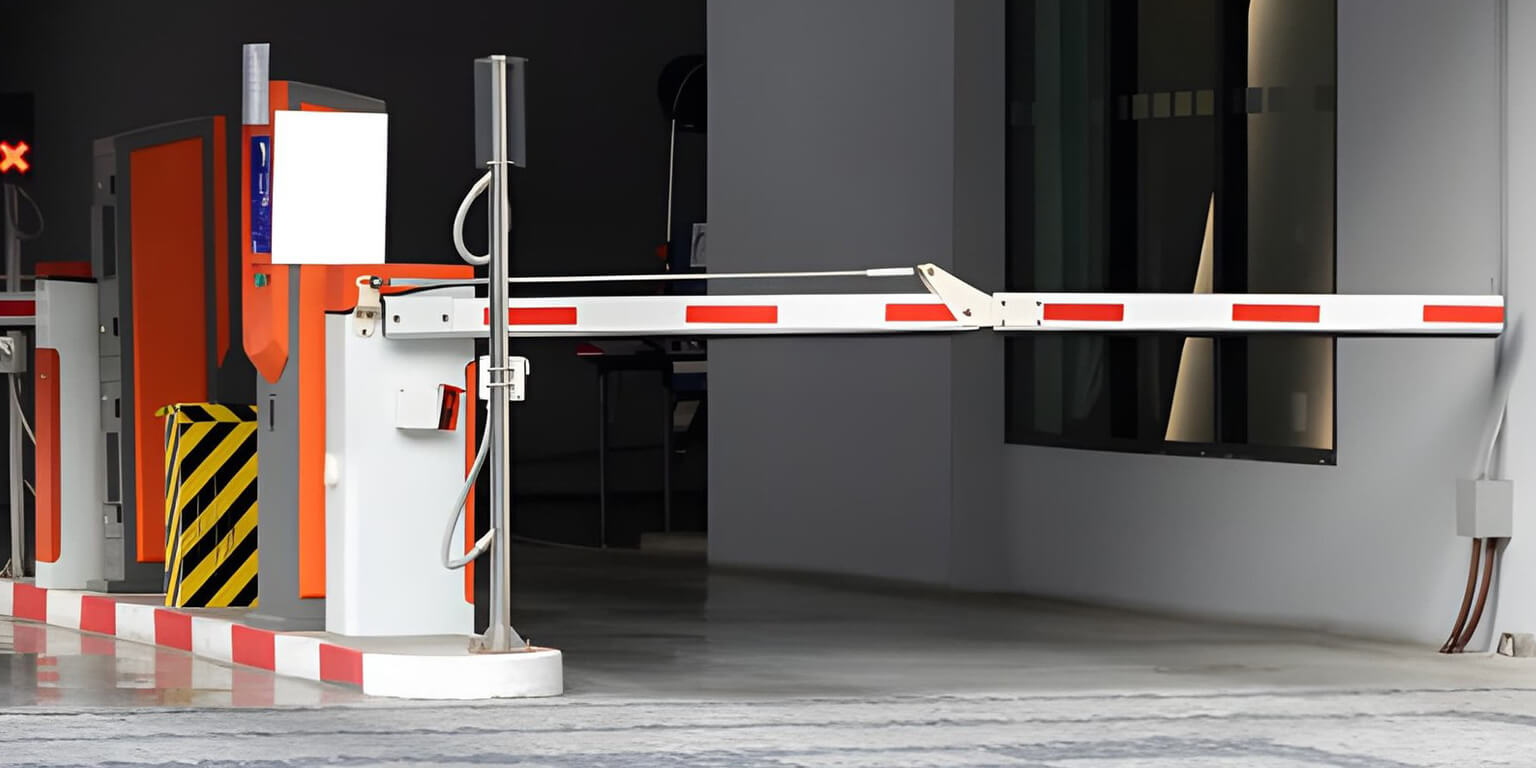
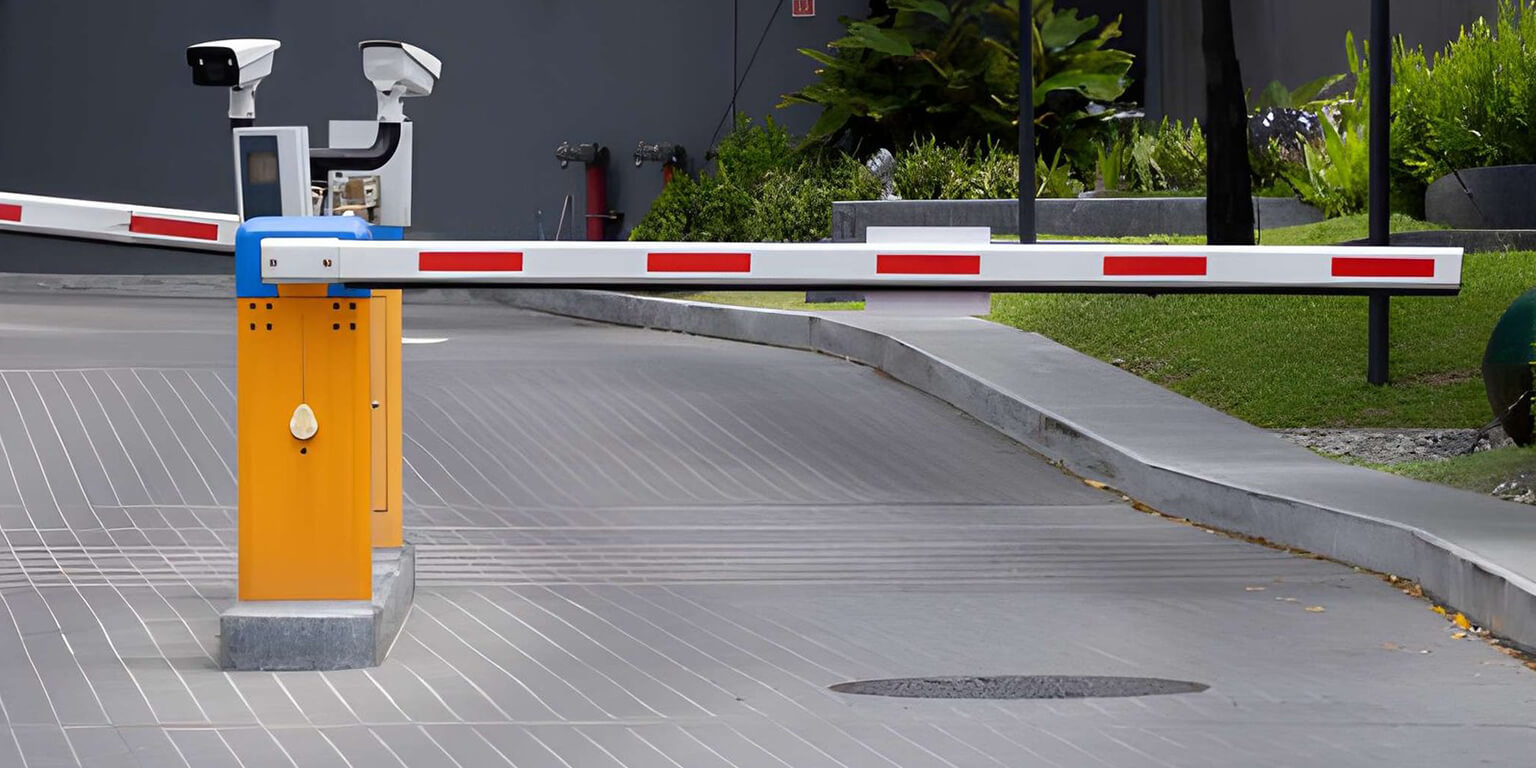
A gate barrier system is an automated device that controls vehicle entry and exit at a specific point. At its core, it's a motorised boom arm mounted on a post that rises to allow a vehicle through and lowers to block access. When a vehicle is authenticated as authorised, the arm lifts. When it isn't, it stays down.

That's the simple version. But the actual system doing that job includes several components working together, and understanding each one helps you make better decisions when you're specifying or reviewing a system for your property.

The Main Components of a Gate Barrier System

The Barrier Unit and Boom Arm

The barrier unit is the housing that contains the motor and mechanical components. It sits at the side of the access point, and the boom arm extends horizontally across the lane when closed. Boom arm lengths typically range from 3 metres for standard vehicle lanes up to 6 metres or more for wide industrial or commercial entrances.

Arm material matters more than it might seem. Aluminium arms are lighter and reduce motor load, extending motor life in high-cycle applications. Some arms include integrated LED lighting for visibility at night and to signal open or closed status to approaching drivers.

The Motor and Control Board

The motor is what physically raises and lowers the arm. Control boards manage the logic: when to open, how long to stay open, what to do if a vehicle is detected underneath when the arm tries to close, and how to communicate with the access control system.

Motor duty cycle is an important specification that's often overlooked. A system rated for standard residential use might open and close a few dozen times per day comfortably. A barrier at a busy commercial car park entrance might need to handle hundreds of cycles daily, which requires a heavy-duty motor rated for continuous or intensive use. Specifying the wrong duty cycle for your traffic volume is one of the more common mistakes we see, and it leads to premature motor failure.

Vehicle Detection Loops

Installed beneath the road surface at the entry and exit points, inductive loop detectors sense the presence of a vehicle by detecting the metal mass above them. They tell the control board when a vehicle is waiting, when it has cleared the barrier, and when it's safe to lower the arm again.

Without properly functioning loops, the system can't reliably prevent the arm from closing on a vehicle that hasn't fully passed through. This is a safety function, not just a convenience one.

Safety Sensors and Photocells

Photocells, which are infrared sensors positioned on either side of the boom arm path, detect any obstruction as the arm descends. If anything breaks the beam, the arm stops and reverses. Combined with vehicle detection loops, these form the safety layer that prevents the barrier from striking a vehicle or pedestrian.

Safety standards for automated vehicle barriers require these protective features as part of any properly installed automated access system.

How Does a Gate Barrier Open? The Access Methods

This is where systems differ most significantly. The barrier hardware is fairly consistent across most installations. The access method is what changes based on your property type and how you manage vehicle access.

Remote Control

The simplest method. Authorised users carry a handheld remote, press a button, and the barrier opens. Works well for very small residential applications or where only a handful of vehicles need access. Not practical for larger properties where issuing and managing individual remotes becomes operationally complex.

RFID Access

RFID (Radio Frequency Identification) uses a tag mounted in or on the vehicle and a reader installed at the barrier. When the vehicle approaches within range, the reader detects the tag's signal, checks it against the authorised list, and triggers the barrier to open.

Long-range RFID readers can authenticate vehicles from several metres away, which means the barrier can begin opening before the vehicle has fully stopped. For residents of a compound or staff at an office building, this is smooth and fast. Every authorised vehicle needs a registered tag, which makes visitor management slightly more involved for high-traffic locations.

ANPR Cameras

ANPR, or Automatic Number Plate Recognition, uses cameras to photograph and read each vehicle's license plate in real time. The plate is checked against a database, and access is granted or denied automatically. No physical tag is needed. The vehicle's plate is the credential.

This works particularly well for properties with high visitor volumes, where pre-registering plates is more practical than issuing RFID tags. Hotels, hospitals, and large commercial complexes often use ANPR for exactly this reason. ANPR technology is now widely used across commercial vehicle access applications globally and performs reliably when cameras are correctly specified and positioned.

Intercom and Push-Button Systems

For visitor management at smaller properties, an intercom allows a visitor to announce themselves to a guard or resident who then triggers the barrier remotely. Push-button systems give security personnel direct manual control. These are often used alongside RFID or ANPR rather than as standalone access methods.

Where Gate Barrier Systems Are Used in Dubai

Across Dubai, you'll find gate barriers in a wider variety of locations than most people initially consider.

Residential compounds and villa communities use them to control entry and exit for residents and log visitor access. Office buildings rely on them for staff parking management and visitor vehicle control. Shopping malls and retail centers use high-speed, heavy-duty barriers to handle large vehicle volumes efficiently. Hospitals need them to separate emergency vehicle lanes from general visitor access. Industrial facilities and warehouses use them to restrict entry to authorised vehicles only.

And that variety matters when specifying a system. A barrier suited to a quiet villa compound is not the same product as one installed at a busy commercial car park entrance handling hundreds of vehicles per day. Getting the duty cycle, access technology, and integration requirements right for your specific use case is what determines whether the system performs reliably over the long term.

Our gate barrier system installation in Dubai covers all of these property types, and we carry out a site assessment before specifying any system to make sure the recommendation fits the actual requirements of the site.

What Makes a Good Gate Barrier Installation?

The hardware is only part of the answer. How it's installed has a direct effect on how well it performs and how long it lasts.

Foundation work comes first. The barrier post needs a properly prepared concrete foundation to sit level and stable. A post that shifts or settles over time affects arm alignment and puts stress on the motor. Getting this right at installation avoids problems that are expensive to fix later.

Electrical connections need to be properly rated, weatherproofed, and routed to protect against Dubai's heat and occasional humidity. Loop detectors need to be installed at the correct depth and loop geometry to function reliably. Photocells need to be aligned precisely. And the whole system needs to be calibrated and tested under realistic traffic conditions before handover.

None of this is complicated when it's done by engineers who install these systems regularly. But cutting corners on any of it creates reliability problems that take months to properly diagnose and fix.

How Gate Barriers Integrate With Other Security Systems

A gate barrier operating as a standalone device does one job: it controls vehicle access at that point. But most modern property security setups connect barrier systems with other technologies to create a more complete picture.

CCTV integration means cameras at the barrier point are recording every entry and exit, providing visual records alongside the access log from the barrier controller. This is useful for investigating incidents and for general security monitoring.

Intercom integration allows two-way communication between a visitor at the barrier and a guard or resident inside the property. Combined with a camera at the intercom unit, this gives reception or security personnel visual confirmation of who is requesting access before granting it.

Access control panel integration means the barrier is part of a broader access management system covering both vehicle and pedestrian entry points. For larger commercial properties and residential developments, this kind of centralised management is increasingly standard.

Parking management software integration enables paid parking operations, occupancy tracking, overstay reporting, and revenue management. This is most common in commercial car parks, malls, and hospitality properties.

What Dubai's Climate Means for Gate Barrier Systems

This is worth its own section because it genuinely affects both product selection and maintenance planning.

Dubai's summer temperatures regularly exceed 45°C. UV exposure is intense for most of the year. Sand and dust intrusion into mechanical and electronic components is a constant factor. And the combination of daytime heat and cooler overnight temperatures creates thermal cycling stress on materials and electrical connections over time.

Not every gate barrier system on the market is built to handle this. Control boards that work reliably in a European climate may struggle with sustained heat exposure. Motor windings rated for standard ambient temperatures may overheat under continuous use in summer months. Housing that isn't properly sealed against dust ingress will have problems over time.

When we specify and install automatic gate barriers in Dubai, component selection accounts for UAE operating conditions specifically. And our maintenance programs through AMC packages include summer checks designed around the additional stress the climate places on these systems.

As a property maintenance company in Dubai with over 20 years of experience across residential, commercial, and industrial sites, we've seen the difference between systems that are properly specified for UAE conditions and those that aren't. It shows up clearly in the maintenance records over the first two or three years of operation.

Book Your Gate Barrier Assessment Today

Talk to Our Engineers Before You Commit to Anything

Whether you're planning a new installation, replacing an existing system, or trying to understand what's right for your property, a free site assessment is the most useful starting point. Our engineers evaluate your access points, traffic volumes, and integration requirements before recommending any specific system or technology.

Contact GeeM today to book your assessment or request a quotation. Call us toll-free on 800 4336 or reach us directly on WhatsApp. We cover all areas across Dubai and can arrange a site visit within 24 to 48 hours of your enquiry.

Frequently Asked Questions

Apartment Painting in Dubai
Painting & Wallpaper
May 22, 2026

Apartment Painting in Dubai: Complete Guide for Homeowners and Tenants

Apartment painting in Dubai involves different considerations for owners versus tenants, particularly around who's responsible and when.

Key Takeaways

  • Apartment painting in Dubai involves different considerations for owners versus tenants, particularly around who's responsible and when.
  • Gypsum partition walls, common in Dubai apartments, need proper priming before painting to prevent flaking and poor adhesion.
  • Interior paint in Dubai apartments generally lasts 5 to 7 years, though kitchens, bathrooms, and high-traffic areas show wear faster.
  • Under Dubai tenancy norms, landlords are typically responsible for providing a freshly painted property before a tenant moves in. Tenants are expected to maintain condition during the lease.
  • Move-out painting is one of the most common sources of security deposit disputes in Dubai. Understanding your actual obligations before you move out protects your money.
  • Low-VOC paint is worth considering for enclosed, air-conditioned apartments where off-gassing from paint lingers longer than in naturally ventilated spaces.
  • Surface preparation, including crack filling, sanding, and priming, determines how long the paint job actually lasts, regardless of the brand used.

Whether you've just signed a lease, you're preparing to move out, or you simply want to refresh walls that haven't been touched in five years, apartment painting in Dubai comes with a few specifics that don't apply everywhere else. The climate, the building materials, and the rental regulations all shape how a painting project should be approached.

This guide covers all of it, from choosing the right paint for gypsum walls to understanding what you're actually obligated to do as a tenant before handing back the keys.

Understanding Your Apartment's Walls

Most apartments in Dubai use gypsum partition walls for internal divisions. Unlike concrete or brick, gypsum is lighter and easier to install, but it behaves differently under paint. If it hasn't been properly sealed with a primer before painting, the surface absorbs paint unevenly, leading to patchy colour and earlier wear. When we assess an apartment for painting, the wall type and its current condition are the first things we look at. A previously painted gypsum wall that's in decent shape is a straightforward job. One that's been repainted badly before, or has moisture damage near the bathroom, needs more careful preparation.

Dubai's AC-heavy environment also creates a specific indoor condition worth understanding. The constant cycle of cool, dry air against walls creates subtle thermal stress over time. Micro-cracks develop. Paint that wasn't primed correctly or applied in sufficient coats starts to show it within a year or two. Getting the prep right from the start is what separates a paint job that looks great for five years from one that starts peeling by year two.

Tenant vs Owner: Who's Responsible for What?

This is where a lot of confusion starts.

In Dubai, governed by the Dubai Tenancy Law, landlords are responsible for the initial painting before the tenant moves in. During the tenancy, tenants are responsible for day-to-day upkeep, including minor maintenance and touch-up painting. When the tenancy ends, tenants are expected to return the property in a similar condition, except for normal wear and tear.

So what does "normal wear and tear" actually mean in practice? It generally covers gradual fading over time, minor scuffs in lower-traffic areas, and light marks that accumulate with everyday use. What it doesn't typically cover is large holes in walls, significant staining, paint that's been deliberately changed to a non-standard colour without landlord approval, or damage caused by negligence.

Unauthorised alterations, like painting or major renovations, generally require landlord approval. Always communicate with your landlord about any changes or repairs you wish to make.

If you're considering painting your apartment a different colour, get written permission first. Verbal agreement isn't enough to protect your deposit if the landlord later disputes the change.

What Happens at Move-Out?

Move-out painting is one of the most common and contested points in Dubai rental disputes, and in most cases, tenants overpay because they're not clear on what's actually required.

Dubai tenancy law doesn't automatically require tenants to repaint the entire apartment when moving out. The actual requirement is to return the property in the same condition as when you moved in, accounting for normal wear and tear.

Practically speaking, though, it may be advisable to repaint the walls before vacating. It is less expensive to repaint yourself than to have the landlord do so and deduct the fees from your security deposit. Use neutral colours such as white or off-white, and if you moved into a property with a specific colour, confirm with the landlord before choosing something different.

So the sensible approach is to document the apartment's condition thoroughly when you move in, including photos, and then make a reasonable judgment at move-out about what actually needs touching up. Spot-painting in areas with visible damage is often sufficient. A full repaint may only be needed if the walls are significantly worse than when you moved in.

If a dispute does arise, the Dubai Land Department's Rental Dispute Settlement Centre is the formal channel for resolution between landlords and tenants.

Choosing the Right Paint for a Dubai Apartment

Not all interior paint performs equally in Dubai's conditions.

The air conditioning here runs almost year-round, which means interiors are sealed for most of the day. Low-VOC paints are a practical choice for this reason, since they off-gas less in enclosed spaces where ventilation is limited. Most major brands now offer low-VOC options across their full colour range, so it's not a compromise on aesthetics.

For the finish, the room matters:

  • Living rooms and bedrooms: Matte or eggshell finishes work well. Matte hides surface imperfections better and creates a softer look, though it's harder to wipe clean than higher-sheen options.
  • Kitchens and bathrooms: Satin or semi-gloss. These resist moisture and are easier to wipe down regularly, which matters in wet areas of Dubai apartments where humidity from cooking and showers accumulates.
  • Hallways and children's rooms: Satin is generally the practical choice. It holds up to more frequent cleaning without losing its finish as quickly as matte.
  • Ceilings: Flat white is standard. High ceilings in some Dubai apartments can be tricky to coat evenly, so this is an area where a professional makes a visible difference.

For apartments near the coast, in areas like Dubai Marina, JBR, or Palm Jumeirah, paint with anti-mould or anti-fungal properties is worth considering for bathrooms, as salt air and humidity combine in ways that affect interior surfaces more than in inland communities.

What a Professional Apartment Painting Job Covers

A proper apartment painting job isn't just rolling paint on walls. When done correctly, it includes a site visit and surface assessment first, cleaning walls of dust and grease before anything is applied, filling cracks and holes with appropriate filler, sanding surfaces where needed, applying primer to bare or repaired areas, and then painting in two coats with a final quality check.

Furniture and floors should be protected throughout. Any professional painting team worth hiring will handle this as a matter of course, not as an add-on you have to negotiate.

One thing we always flag to apartment owners and tenants: if you have water stains on the walls, painting over them without treating the source first is a short-term fix that won't last. The stain will bleed through the new paint within weeks. The underlying cause, whether a leak from upstairs or condensation around a duct, needs to be addressed before the walls are repainted. Our home maintenance services cover exactly this kind of investigation, so we can assess and fix the root issue as part of a broader painting project rather than treating symptoms that'll come back.

How Long Does Apartment Painting Take in Dubai?

Timelines depend on the size of the apartment and its condition.

In general terms, an empty studio or one-bedroom apartment can typically be completed in one to two days by a professional team. A furnished two-bedroom may take two to three days, since additional time is needed to cover and protect belongings and work around furniture. Larger apartments or ones that require significant preparation work before painting, like crack repairs, moisture treatment, or heavy sanding, will take longer.

If you're on a tight move-out timeline, it's worth booking in advance rather than leaving it to the last few days. The final week before lease end tends to be stressful enough without rushing a painting job.

What Does Apartment Painting Cost in Dubai?

Costs vary depending on apartment size, wall condition, paint quality, and whether preparation work is needed. As a rough reference, full apartment painting costs vary by property size: studio painting starts around AED 449, a one-bedroom roughly AED 799, and a two-bedroom around AED 1,299 and above. Single room painting can cost around AED 399, though the final price depends on room size and whether the painters supply the paint.

These are starting estimates, and the final cost will depend on what the walls actually need. An apartment with smooth walls that just needs two fresh coats will be at the lower end. One with patchy old paint, multiple cracks, or moisture stains will require more preparation time and material, which affects the overall price.

Always get a written, itemised quote before work begins. Any professional contractor should be able to break down labour, materials, and preparation separately, so you know exactly what you're paying for.

How Painting Fits Into Broader Apartment Maintenance

Painting doesn't happen in isolation. When we visit an apartment for a painting job, we sometimes find things worth flagging: a slow drip behind a tile that's caused a wall stain, a window seal that's letting in moisture, or a bathroom exhaust that isn't functioning properly and is causing humidity buildup. These aren't problems you want to discover after you've just painted the walls.

As a property maintenance company with over 20 years of experience across Dubai, GeeM approaches apartment painting as part of a full property picture. Our painting services in Dubai cover apartments, villas, and commercial spaces, with same-day bookings available and a service satisfaction guarantee. For apartment owners who want structured ongoing care, our apartment maintenance contracts include regular inspections that catch surface issues before they become bigger problems.

Ready to Book Your Apartment Painting?

Whether you're refreshing walls before moving in, preparing for move-out, or simply overdue for a repaint, contact GeeM to arrange an assessment. We'll visit, look at the surface condition, advise on what's needed, and give you a clear quote before any work begins.

Frequently Asked Questions

Furniture Assembly Dubai
Handyman
May 21, 2026

Furniture Assembly Dubai: Why Hire a Professional

Flat-pack furniture assembly in Dubai takes significantly longer than most people expect, especially for larger pieces like wardrobes and bed frames with storage

Key Takeaways

  • Flat-pack furniture assembly in Dubai takes significantly longer than most people expect, especially for larger pieces like wardrobes and bed frames with storage
  • Incorrectly assembled furniture carries real safety risks, including tipping and structural failure, particularly in homes with children
  • IKEA's own assembly guidelines warn that tall freestanding pieces must be anchored to the wall to prevent tip-over, which requires wall drilling and the correct anchors for your specific wall type
  • Missing or misidentified parts, incorrect step sequence, and over-tightened fasteners are common DIY mistakes that shorten furniture lifespan
  • Professional handymen complete assembly faster, work through a full list of pieces in a single visit, and leave with all packaging removed
  • Combining furniture assembly with TV mounting, shelf installation, and other setup tasks in one booking is significantly more cost-effective than separate visits
  • Booking a professional for a full move-in setup saves an entire weekend and gets your home functional from day one

You've just taken delivery of six boxes from IKEA, two from Home Centre, and a flat-pack wardrobe that seems to have more pieces than the room it's going into. Sound familiar?

Furniture assembly in Dubai is one of the most frequently requested handyman jobs we handle, and the reason is simple. People buy the furniture, open the boxes with the best of intentions, and then hit a wall, sometimes literally, when they realise the job is bigger, more time-consuming, and more physically awkward than the packaging suggested.

Here's an honest look at why professional assembly makes sense for most Dubai residents.

It Takes Much Longer Than You Think

A single IKEA PAX wardrobe with two doors takes the average person between two and four hours to assemble, without any previous experience. A MALM bed frame with storage drawers is a similar story. An entire bedroom set across multiple boxes can easily consume a full day, and that's assuming nothing goes wrong.

Most people attempting furniture assembly underestimate the time by a factor of two or three. Part of the reason is that the instruction manuals, while visual and generally well-designed, assume you're familiar with the process, have the right tools, and can identify each component quickly from the hardware bags. For someone doing it the first time, sorting through several dozen different screws, dowels, and cam locks before a single panel goes up takes longer than the actual assembly.

A professional handyman who assembles furniture regularly can often complete in 30 to 40 minutes what takes a first-timer two hours.

The Safety Risks Are Real

This is the part most people don't think about until something goes wrong.

IKEA's own product safety guidance is explicit on this point: tall freestanding furniture including wardrobes, bookcases, and storage units must be secured to the wall using the tip-over restraint provided with the product. Their instructions carry direct warnings that serious and fatal injuries have occurred from furniture tip-over, particularly involving children climbing on or pulling at drawers and doors.

But here's the complication. Anchoring furniture to a wall in Dubai requires drilling into either concrete or gypsum board, using the correct wall plugs for the material, and ensuring the anchor is rated for the load. This is not something you can do with a basic household screwdriver and a set of soft-wall plugs from the packaging.

If the restraint isn't properly installed because the wall anchoring wasn't done correctly, the safety device provides no real protection. A professional assembler who understands Dubai's wall types arrives with the right hammer drill and anchor selection to do this properly, not as an afterthought, but as a standard part of the job.

Incorrect Assembly Shortens the Life of Your Furniture

Flat-pack furniture from brands like IKEA, JYSK, and Home Centre is engineered to specific tolerances. The joints, cam locks, and dowels are designed to hold under normal use when assembled in the correct sequence and to the correct tension.

Over-tightening cam locks cracks the particleboard around them. Under-tightening creates loose joints that work progressively looser under daily use. Fitting a back panel before completing the main frame alignment locks in a twist that makes doors and drawers bind for the life of the piece.

And assembling steps out of sequence, which happens more than you'd expect when someone skips ahead or misreads a diagram, can mean taking apart an hour's work to correct one panel installed the wrong way. Professional assemblers follow the correct sequence every time because they've done it hundreds of times before, which means your furniture is built to last rather than built to be replaced sooner than it should.

Wardrobes and Beds Are the Hardest Pieces to Get Right

Not all furniture is equal in complexity. A side table or a simple bookcase is manageable for most people with patience and a screwdriver. A large sliding-door wardrobe, a hydraulic storage bed, or a modular shelving system is a different category entirely.

Wardrobes are the most frequently misassembled piece we see.

Sliding door alignment requires precise track fitting across the full width of the unit. Interior rail systems for hanging clothes need to be anchored at the correct height. Panel alignment across multiple sections of a wardrobe system affects whether doors open and close cleanly. Getting all of this right the first time requires experience with the specific system being built, not just general optimism and a YouTube tutorial.

Storage beds with hydraulic lift mechanisms are similarly unforgiving. The gas struts need to be fitted at specific points with the frame fully assembled, and any misalignment in the base structure means the lift either doesn't work smoothly or puts stress on the mechanism over time.

What Happens When Something Goes Wrong Mid-Assembly

Parts go missing. Packaging gets thrown away before the piece is finished. A section gets assembled and then needs to come apart because a step was skipped. A screw strips because it was driven at an angle.

These situations are frustrating enough when you're in your own home on a free weekend. They're genuinely costly when you've taken time off work for a move-in day and half the bedroom is still in boxes.

A professional handyman who assembles furniture regularly has encountered all of these situations. They know how to work around a missing dowel without compromising the joint. They know when a cam lock needs to be backed out and reseated rather than forced. And they know when a problem needs to be flagged before the piece is fully built, rather than discovered once everything is tightened.

The Packaging Disposal Issue

It's a small thing that adds up considerably.

When you assemble furniture yourself, you're left with flattened boxes, polystyrene sheets, cardboard inserts, plastic bags of hardware, and protective foam pieces for every single item. In a Dubai apartment or villa after a full move-in, that can amount to a substantial pile that needs to be broken down and disposed of.

Professional handymen remove and dispose of all packaging as standard. Your home is clear when they leave, which matters far more than it seems on a busy moving day when you're already managing a dozen other things at once.

Combining Assembly With Your Full Move-In List

Furniture assembly on its own is rarely the only job that needs doing in a new home.

TV mounting, curtain rod installation, picture and mirror hanging, shelf fitting, and minor repairs all typically happen at the same time as furniture setup. Booking our handyman services in Dubai for a full move-in visit means a skilled team works through your complete list in one appointment, which is significantly more efficient and cost-effective than arranging separate visits for each task.

A well-organised move-in visit typically covers wardrobe and bed assembly, TV wall mounting, curtain installation, and any hanging or drilling tasks, all in a single half-day or full-day booking. You go from boxes on the floor to a fully functional living space without spending your first week in your new home surrounded by flat-pack cardboard.

What We Handle for Furniture Assembly in Dubai

Our carpentry handyman team assembles all major brands purchased in Dubai, including IKEA, Home Centre, Pan Emirates, Danube Home, and JYSK, as well as furniture ordered online from platforms like Amazon and Noon.

Jobs we regularly handle include:

  • Wardrobes of all types, sliding door, hinged, and PAX modular systems
  • Bed frames including storage beds, hydraulic lift models, and bunk beds
  • Office furniture including desks, ergonomic chairs, and workstation setups
  • Dining tables, chairs, and outdoor furniture
  • TV units, media consoles, and floating shelves
  • Children's furniture and study sets
  • Wall anchoring for tip-over restraints on all tall furniture

We also handle furniture disassembly when you're moving out, and reassembly after relocation, which matters a great deal in Dubai where residents move between communities frequently.

For properties with ongoing maintenance needs beyond furniture, our annual maintenance contracts cover recurring jobs throughout the year under a single agreement, which is significantly more cost-effective for villa and apartment owners who need regular support from a home maintenance company in Dubai.

What to Have Ready When You Book

To get the most out of a furniture assembly visit, it helps to have the following sorted before the handyman arrives:

  • All boxes present and in the room where the furniture will be assembled, or as close to it as possible
  • The assembly instructions either in the box or downloaded from the manufacturer's website
  • A clear sense of which wall the wardrobe or tall piece will sit against, for wall anchoring
  • Your full list of other jobs for the visit, including TV mounting or hanging tasks, so the team brings everything needed

A quick note: for pieces ordered online, check that all boxes in a multi-box item have arrived before booking. Discovering a missing box mid-assembly is one of the most common causes of a job that can't be finished on the day.

Book Your Furniture Assembly in Dubai Today

Get Your Home Set Up Without the Stress

Whether it's one piece or a full home setup after a move, our team handles everything from unpacking to wall anchoring, leaving your space clean and ready to use.

Contact GeeM today to book your furniture assembly visit or get a quote. Call us toll-free on 800 4336 or reach us on WhatsApp. Same-day bookings are available across Dubai.

Frequently Asked Questions

What an Electrical Load Calculation Is and Why It Matters for Your Property
Electrical Service
May 20, 2026

What an Electrical Load Calculation Is and Why It Matters for Your Property

An electrical load calculation determines how much power your property's electrical system needs to safely handle all connected appliances and circuits at once

Key Takeaways

  • An electrical load calculation determines how much power your property's electrical system needs to safely handle all connected appliances and circuits at once
  • Without a proper load calculation, properties are at risk of overloaded circuits, frequent breaker trips, overheating wiring, and in serious cases, electrical fires
  • Dubai's high AC demand makes load calculations especially important, since cooling systems account for a large share of total electrical load in most homes
  • DEWA's technical standards set requirements for electrical installations in Dubai properties, and load calculations are a core part of compliance
  • Renovations, new appliance installations, and property fit-outs all require a fresh load assessment to make sure the existing system can handle the added demand
  • An overloaded system doesn't always fail dramatically — in many cases it degrades slowly, affecting efficiency and safety long before anything obvious goes wrong
  • Getting a load calculation done by a qualified electrician is the starting point for any serious electrical upgrade or inspection

Most people don't think about electrical load until something goes wrong. A breaker trips during summer when the AC, washing machine, and oven are all running at once. Lights dim when a high-draw appliance switches on. A socket feels warm to the touch for no obvious reason.

These aren't random events. In most cases, they're symptoms of a system that's handling more than it was designed for.

An electrical load calculation is how you find out exactly where your system stands — and whether it's safe.

What an Electrical Load Calculation Actually Is

At its core, a load calculation is an assessment of the total electrical demand a property places on its wiring, circuits, and distribution board at any given time. A qualified electrician works through every circuit in the property, accounts for the power rating of all connected equipment and appliances, and determines whether the existing system has the capacity to handle that demand safely and consistently.

It's not a rough estimate.

A proper load calculation considers both the connected load (the total of everything that could run simultaneously) and the demand load (a realistic picture of what actually runs at the same time, factoring in usage patterns). Both figures matter, because an electrician needs to understand not just whether the system can handle everything in theory, but whether it can handle the realistic peak demand without pushing circuits beyond safe limits.

In Dubai properties, that peak demand almost always includes multiple AC units running simultaneously alongside the rest of the home's electrical load. That combination is what makes load calculations in this climate particularly important.

Why It Matters More in Dubai Than in Most Places

Dubai's electrical demand profile is different from most of the world. For large parts of the year, and especially through the summer months, air conditioning isn't occasional — it runs continuously, often across multiple units in a single property. Each unit draws significant power, and when you stack several of them against everything else a modern home runs, the total load is substantial.

Properties that were originally designed and wired for a certain level of demand can become undersized over time as residents add appliances, upgrade AC systems, install EV chargers, or carry out renovations that change how the space is used. What was adequate wiring for a property ten years ago may not be adequate for the same property today.

And the problem is that electrical systems don't always announce when they're being pushed too hard.

DEWA's regulations for electrical installations set the technical framework for how residential and commercial properties in Dubai should be wired and what safety standards apply. Load calculations sit within that framework as a fundamental part of making sure an installation is both safe and compliant.

What Happens When There's No Proper Load Assessment

So what actually goes wrong when a property's electrical load hasn't been properly calculated or reviewed?

In the short term, you get nuisance tripping. Circuit breakers trip because a circuit is asked to carry more than it can handle, and the breaker does its job by cutting the supply. Annoying, but the system is working as intended.

The longer-term risks are more serious. When circuits are consistently overloaded — even without tripping — the wiring heats up. Over time, that heat degrades insulation, weakens connections, and increases the risk of arcing. Electrical arcing is one of the leading causes of property fires, and it often develops inside walls where it's invisible until the damage is already done.

Warm sockets, discoloured switch plates, a persistent burning smell near electrical fittings — these are warning signs that a circuit may be carrying more than it should. They're not things to leave and monitor. They need a qualified electrician in Dubai to assess properly.

When You Actually Need a Load Calculation Done

Not every property needs one urgently. But there are specific situations where getting one done isn't optional.

Before a Renovation or Fit-Out

Any renovation that adds rooms, changes the layout of a property, or introduces new high-draw appliances changes the electrical demand on the system. A kitchen upgrade with a new oven, hob, and extractor. A home office with workstations and dedicated cooling. An additional bedroom with its own AC split unit. Each of these adds load that the original wiring may not have been sized for.

Before any of this work begins, a load calculation tells you whether the existing system can support it or whether the distribution board, wiring, or supply capacity needs to be upgraded first. Doing the renovation first and the electrical review later is the order that leads to problems.

When Adding Large Appliances

EV chargers are a good example. A home EV charger draws a significant and consistent load, often over an extended period. Installing one without checking whether the existing circuits can handle it is a genuine risk, both to the system and to compliance with DEWA's connection requirements.

The same applies to additional AC units, large water heaters, or commercial-grade kitchen equipment in a residential property.

When Buying or Taking Over a Property

If you're moving into a villa or apartment — especially an older one — you don't automatically know what condition the electrical system is in or how the load has been distributed across circuits. A load assessment as part of a broader electrical inspection gives you a clear picture of the system's current state and whether it needs any attention before you start using it at full capacity.

Our electrical services in Dubai include full property electrical inspections with written reports, which is exactly what this situation calls for.

When You're Experiencing Repeated Electrical Issues

Frequent breaker trips, flickering lights, warm outlets, or unexplained spikes in your DEWA bill can all point to a system that's under more load than it's designed for. A load calculation is part of the diagnostic process that helps identify whether the issue is a capacity problem, a fault, or both.

What the Calculation Process Involves

Depending on the property size and complexity, a load calculation can take anywhere from an hour to a full day. A qualified electrician will typically:

  • Inspect the distribution board and identify all circuits, their ratings, and their current condition
  • List all connected loads including AC units, lighting, kitchen appliances, water heaters, and any other fixed equipment
  • Apply demand factors to arrive at a realistic peak load figure
  • Compare that figure against the rated capacity of the existing wiring and supply
  • Identify any circuits that are operating close to or beyond safe limits
  • Recommend whether the system needs upgrading, redistribution, or simply better circuit protection

The output isn't just a number. It's a working picture of whether your property's electrical infrastructure is correctly sized for how the property is actually being used.

The Connection to Ongoing Property Maintenance

A load calculation isn't a one-time exercise and then forgotten. Properties change. Appliances get added. AC systems get upgraded. Usage patterns shift as families grow or commercial spaces get repurposed.

For property owners managing villas, apartments, or commercial spaces across Dubai, keeping the electrical system reviewed and maintained as part of a broader maintenance plan is what prevents small issues from becoming expensive ones. That's the approach we take with the properties we look after through our Annual Maintenance Contracts, where electrical checks sit alongside AC servicing, plumbing inspections, and the rest of what keeps a property performing correctly.

As a home maintenance company in Dubai, we see the difference between properties that get regular professional attention and those that only get looked at when something breaks. The electrical system is where that difference shows up most clearly, because the consequences of getting it wrong aren't just inconvenient. They're a genuine safety risk.

If you'd like your property's electrical system assessed, a load calculation carried out, or any electrical fault inspected and resolved, get in touch with GeeM. We cover all Dubai communities and can arrange a visit at a time that suits you.

Frequently Asked Questions

How to Choose the Best Painters in Dubai and Avoid Costly Mistakes
Painting & Wallpaper
May 19, 2026

How to Choose the Best Painters in Dubai and Avoid Costly Mistakes

A DET (Department of Economy and Tourism) trade licence is the minimum legal requirement for any painting contractor operating in Dubai. Always verify it.

Key Takeaways

  • A DET (Department of Economy and Tourism) trade licence is the minimum legal requirement for any painting contractor operating in Dubai. Always verify it.
  • The cheapest quote rarely reflects actual value. Low bids typically mean shortcuts on surface preparation, inferior paint brands, or inexperienced workers.
  • Surface preparation makes up around 70% of what determines how long a paint job lasts. If a contractor doesn't mention it, that's a warning sign.
  • Ask to see a written, itemised quote before agreeing to anything. Vague verbal quotes often lead to unexpected costs once work has started.
  • Avoid paying the full amount upfront. A reasonable deposit is normal; structured payments tied to progress are standard practice with reputable contractors.
  • Online reviews, past project photos, and verifiable references are all worth checking before you book.
  • A good painting contractor will ask about your property, assess the surface condition, and recommend paint suited to your space rather than offering a one-size-fits-all solution.

Hiring painters in Dubai shouldn't be complicated. But it often turns into a frustrating experience, and in most cases, the problems could have been avoided with a bit more scrutiny before the work started.

We see it regularly. A property owner hires a low-cost team, gets a fast job, and within 18 months the paint is peeling, the edges are messy, or the colour has faded faster than it should. By that point, fixing it properly costs more than doing it right the first time would have.

So what should you actually be looking for?

Check for a Valid Trade Licence First

This is where most people skip straight past, and it's genuinely one of the most important steps.

Any painting contractor legally operating in Dubai needs a valid trade licence issued by the Department of Economy and Tourism (DET). Contracting companies in Dubai are limited to companies licensed by the DED and authorised to practise contracting activities in Dubai by the Registration and Licensing Committee, after meeting the required conditions and standards. You can verify a business licence through the UAE Government's official verification portal.

An unlicensed contractor might quote you a lower price, but you take on all the risk if something goes wrong during the job. There's no recourse, no accountability, and no insurance to fall back on. It's not worth it.

Ask any contractor you're considering to provide their trade licence number before any further discussion. A legitimate company won't hesitate.

Don't Let Price Be the Main Filter

Not the only filter, anyway.

Getting multiple quotes is smart. But if you're comparing three quotes and your instinct is to pick the cheapest one without asking why it's cheaper, you're likely setting yourself up for a redo. Low price often means inferior painting materials, low-grade surface preparation, unskilled painters, and rushed jobs. A professional paint job is about 70% preparation and only 30% actual paint application.

When you receive a quote that's significantly lower than others, ask what's included. What brand of paint are they using? How many coats? What prep work is in scope? Will they fill cracks and apply primer? Will they protect your furniture and floors during the job?

If those questions are met with vague answers or the contractor seems unsure about the prep process, that tells you plenty.

Ask Specifically About Surface Preparation

This is the single biggest factor in how long any paint job lasts.

Proper preparation means cleaning the surface of dust, grease, and old flaking paint. It means filling cracks and holes, sanding surfaces smooth, and applying the right primer for the wall type and paint being used. In Dubai's climate, where walls are exposed to AC-driven humidity cycling, dust accumulation, and thermal stress, these steps aren't optional extras. They're what separates a result that holds for five years from one that starts showing problems in twelve months.

Ask the contractor to walk you through their preparation process before they start. If a painter skips wall sanding, crack filling, primer application, and proper wall cleaning, the paint won't stick to the wall surface. Dubai's humidity and dust require even more careful surface preparation to prevent bubbling or peeling.

A contractor who can explain their prep process clearly and confidently is one who actually does it.

Request a Written, Itemised Quote

Verbal quotes lead to disputes. Written quotes protect both parties.

A proper written quote should break down labour, materials, surface preparation, the number of coats, cleanup, and the project timeline. If a contractor gives you a single round number with no detail, push back. Ask what that number includes. Any reputable painting company should be able to produce a clear breakdown without hesitation.

Also clarify what paint brand and product they're planning to use. In Dubai, climate-appropriate paints from established brands hold up significantly better than generic alternatives. If they can't tell you what they're using, that's a concern worth taking seriously before work starts rather than after.

Look at Reviews and Ask for References

Every contractor will tell you they do great work. Not every one of them can prove it.

Google reviews are a reasonable starting point, but look for patterns rather than individual comments. A contractor with consistently detailed, positive feedback across multiple jobs over time is more reassuring than one with a handful of recent five-star ratings. Check whether negative reviews exist, and if so, how the company responded.

Beyond that, ask if they can point you to past projects similar to yours. A painting team experienced with villa exteriors in Dubai's climate will understand different challenges than one that mainly paints single rooms. For exterior work especially, it's worth asking whether they've worked in your community before, since some have specific colour approvals and community standards.

Understand the Payment Structure

One common mistake is paying the entire project payment upfront before work starts. A small initial deposit is normal, but full payment upfront reduces accountability. Structured payments tied to project milestones, such as a deposit before work, a midway payment, and a final payment after a quality check, are the more appropriate approach.

This matters because the final payment is your main point of leverage for ensuring the work is finished properly. If you've already paid in full, the incentive to address touch-ups or correct any issues drops significantly.

A reputable contractor won't ask for everything upfront. If they do, treat it as a red flag.

Confirm What's Included After the Job

Will they move furniture? Cover your floors and fixtures? Clean up once they're done? These aren't minor questions.

A painting job is a messy process, and the difference between a professional team and an unreliable one is often most visible at the end. Ask in advance what the clean-up process looks like and whether furniture protection is part of the job. Get it in writing if you can.

Also ask about the warranty or touch-up policy. Most reputable painters offer some form of workmanship warranty, typically covering defects that appear within a defined period after completion. If a contractor won't commit to any follow-up support, that's worth factoring into your decision.

Why Experience in Dubai Specifically Matters

Not all painting experience is equal.

Working in Dubai means understanding how heat, dust, UV exposure, and air conditioning collectively affect different surfaces and paint products. A contractor who's mainly worked in other climates won't necessarily know which exterior coatings hold up best here, or how to handle gypsum walls that have developed micro-cracks from years of thermal cycling. Local experience matters, especially for exterior work or larger renovation projects.

When you reach out to us, our team assesses the surface condition before making any product recommendations. We don't offer a one-size-fits-all approach because properties in Dubai have genuinely different needs based on age, surface type, location, and how much direct sun or coastal exposure they get.

Where Painting Fits Into Broader Property Care

A painting project often surfaces alongside other maintenance needs. An exterior that needs repainting may also have waterproofing concerns or facade cracks worth addressing at the same time. Approaching these together is generally more cost-effective and less disruptive than handling them separately across multiple contractor visits.

As a home maintenance company with over 20 years of experience across Dubai, we look at the full picture when assessing a property. Our painting services in Dubai cover everything from single-room interior painting and apartment move-out preparation to full villa exterior repaints, with the same attention to surface prep and material selection across every project size.

For property owners who want a more structured approach to ongoing upkeep, our annual maintenance contracts include scheduled inspections that catch paint and surface deterioration before it becomes a bigger problem. For villa owners specifically, our villa maintenance programs are built around the particular demands of standalone properties in Dubai's climate.

Ready to Get a Proper Assessment?

If you're planning a painting project and want a team that handles the process correctly from the first visit to the final coat, get in touch with GeeM. We'll come out, look at the surface condition, explain what's involved, and give you a clear, written quote with no vague numbers or hidden extras.

Frequently Asked Questions

Gate Barrier System Cost in Dubai
Gate Barriers & Parking
May 18, 2026

How Much Does a Gate Barrier System Cost in Dubai?

Gate barrier system costs in Dubai generally range from AED 3,500 for basic automatic systems to AED 20,000 or more for fully integrated setups with RFID and ANPR

Key Takeaways

  • Gate barrier system costs in Dubai generally range from AED 3,500 for basic automatic systems to AED 20,000 or more for fully integrated setups with RFID and ANPR
  • The type of system, boom arm length, access technology, and site conditions are the biggest cost variables
  • Installation, civil works, and cabling are separate cost components that many people overlook when budgeting
  • An Annual Maintenance Contract (AMC) adds predictable annual cost but significantly reduces the risk of expensive emergency repairs
  • Cheaper systems may appear cost-effective upfront but often cost considerably more over a 5-year period when repairs and downtime are factored in
  • A proper site assessment before purchase is essential because pricing can't be accurately confirmed without evaluating your specific site conditions
  • GeeM provides transparent, itemised quotations after a free site survey with no commitment required

One of the first questions we hear from property managers and building owners is: "How much is this going to cost me?" And it's a fair question. But the honest answer is that gate barrier system pricing in Dubai isn't a fixed number you can pull from a catalogue. There are too many variables involved.

What we can do is break down exactly what those variables are, give you realistic price ranges based on what's typical in the Dubai market, and help you understand where the money actually goes. So when you do get a quote, you know whether it reflects what you actually need.

What Affects the Cost of a Gate Barrier System in Dubai?

Before we get into numbers, it's worth understanding what's actually driving the price. A gate barrier quote isn't just for a piece of equipment sitting on a pole. It covers hardware, installation, civil works, electrical connections, access technology, and in many cases, integration with other systems already on your property.

System Type and Duty Cycle

Not all gate barriers are built for the same workload. A basic automatic boom barrier suited for a small residential compound runs a different duty cycle than a heavy-duty system installed at the entrance of a shopping mall or industrial facility handling hundreds of vehicles per day.

Light-duty systems, typically for residential use with moderate traffic, sit at the lower end of the price range. Heavy-duty systems designed for continuous high-frequency operation, where the barrier opens and closes hundreds of times daily, require more robust motors, stronger control boards, and more durable components. They cost more, and for good reason.

Boom Arm Length

Boom length directly affects both the motor requirements and the hardware cost. Shorter arms of 3 to 4 metres are standard for most residential and light commercial applications. Longer arms extending to 6 metres or more, used for wide vehicle lanes in industrial or high-traffic commercial settings, require stronger motors and counterbalancing, which adds to the price.

Access Control Technology

This is often where the price difference between a basic system and a premium setup becomes most noticeable. A standard remote-control barrier costs considerably less than one integrated with RFID long-range readers, ANPR (Automatic Number Plate Recognition) cameras, or face recognition systems. And it's not just the hardware cost. The software licensing, cabling, and configuration work for ANPR-based parking management systems can add significantly to the total.

So what's the difference? RFID systems authenticate vehicles using cards or long-range tags, which works well for registered residents and staff. ANPR systems use license plate recognition cameras to grant or deny access automatically based on registered plates, which is more suitable for high-traffic locations or visitor-heavy environments. The right choice depends on your property type and traffic patterns, not just your budget.

Site Conditions and Civil Works

This one surprises people.

Installation on a finished concrete surface where all cabling routes are clear is one thing. Installation on a site that requires breaking up tarmac, laying conduit, pouring new foundations, or running power from a distant distribution board is something else entirely. Civil works are often priced separately and can add meaningfully to the total cost depending on your site.

This is exactly why we don't quote gate barrier systems without a site assessment first. Two properties requiring the same system can have very different installation costs based purely on ground conditions and existing infrastructure.

Typical Gate Barrier Costs in Dubai: Price Ranges

Based on market pricing in Dubai, here's a general overview of what different system types typically involve. These are ranges only. Actual pricing for your site will depend on all the factors above.

Basic Automatic Boom Barrier (Remote Control Only) Entry-level automatic systems suitable for small residential compounds or low-traffic areas generally start from around AED 3,500 to AED 5,000 for supply and installation. These are straightforward setups without access control integration.

Mid-Range Systems with RFID Access Systems that include RFID card readers or long-range tag readers for hands-free vehicle authentication typically range from AED 6,000 to AED 10,000 depending on the reader type and number of access points.

Full-Featured Systems with ANPR and Parking Management ANPR-based systems with license plate recognition cameras, integrated parking management software, and multi-lane setups for commercial properties are generally priced from AED 10,000 upward, and can go well beyond AED 20,000 for complex multi-entry installations.

Heavy-Duty Industrial Systems High-speed, heavy-duty barriers for warehouses, logistics facilities, or high-frequency commercial sites sit at the higher end of the range. These systems are built for durability under continuous use and are priced accordingly.

It's worth noting that these ranges reflect the full cost including equipment and standard installation. Civil works, electrical upgrades, or integration with existing access control infrastructure will be quoted separately after site assessment.

The Real Cost of Choosing the Cheapest Option

This is something we see more often than we'd like.

A property manager selects the lowest-priced system available, it looks fine on paper, and six months later the motor has failed, the control board needs replacing, and the barrier is sitting open. Meanwhile, the supplier has no local support, spare parts take weeks to arrive, and what looked like a saving has turned into a considerably more expensive situation.

Industry data suggests that property owners who select budget gate barrier systems can spend significantly more on repairs and replacements over a 5-year period compared to those who invest in quality systems from the start. Dubai's climate is demanding. Temperatures exceeding 45°C in summer, sand intrusion, and UV exposure all accelerate wear on components that aren't built for these conditions.

Quality systems from established manufacturers like CAME, FAAC, BFT, and NICE are engineered with these environmental factors in mind. Local spare parts availability and certified technical support matter as much as the equipment itself when something goes wrong at 10pm on a Thursday.

At GeeM, we install and service systems from these brands because they perform reliably in UAE conditions and because we can properly support them long after installation. You can learn more about our gate barrier system installation in Dubai and the range of solutions we offer.

What Does an Annual Maintenance Contract Cost?

Most property owners focus on the upfront installation cost and don't think carefully enough about ongoing maintenance. But this is where the real long-term cost of ownership is determined.

An AMC for a gate barrier system covers scheduled service visits, motor and control board health checks, sensor testing, lubrication, and priority breakdown support. In most cases, an AMC for a single gate barrier system is considerably less expensive per year than one emergency callout for a motor replacement.

Gate barrier AMC costs vary depending on the number of access points, system complexity, and what's included in the contract. At GeeM, our AMC packages cover gate barriers as part of broader property maintenance contracts, which often makes them more cost-effective for building managers looking after multiple systems simultaneously.

Whether you manage a residential villa community or a commercial property, factoring in AMC cost from day one gives you a much more accurate picture of what the system will actually cost over time.

Hidden Costs to Budget For

Not sure what you might be missing? Here are the items that often catch people off guard when budgeting for a gate barrier system.

Cabling and Conduit Running power and signal cables from the distribution board to the barrier location, and from the barrier to any RFID readers or ANPR cameras, requires conduit installation. On sites where this isn't already in place, it's a meaningful additional cost.

UPS and Battery Backup Dubai properties require barrier gates to function during power outages. A UPS or battery backup unit ensures the system operates and can be safely managed when mains power fails. This is a separate hardware item not always included in base quotes.

Loop Detectors and Safety Sensors Vehicle detection loops installed in the ground beneath the barrier, along with safety photocells that prevent the arm from closing on a vehicle, are standard safety features. Confirm whether these are included in any quote you receive.

Software Licensing ANPR-based parking management systems often involve annual software licensing fees. This recurring cost should be factored into your total cost of ownership calculation from the start.

How to Get an Accurate Quote

Honestly, the only way to get a reliable price for your specific site is a proper site assessment.

We offer free site surveys across Dubai where our engineers evaluate your access points, ground conditions, power availability, traffic volumes, and any existing systems that need to be integrated. From that assessment, we produce a clear, itemised quotation that separates equipment, installation, civil works, and any optional extras so you can make an informed decision.

There's no commitment required to get a quote, and we don't price over the phone without seeing the site first because it wouldn't be accurate.

If you're comparing quotes from multiple suppliers, make sure you're comparing like for like. A lower quote that excludes civil works, loop detectors, or UPS backup isn't actually a lower quote for the same job. Our property maintenance team has been working across Dubai for over 20 years, and transparent pricing is something we're consistent about.

Get a Quote for Your Gate Barrier System

Talk to Our Team Today

If you're planning a new gate barrier installation in Dubai or looking at upgrading an existing system, we'd be glad to assess your site and give you a clear, honest quotation.

Contact GeeM today to book your free site survey. Call us toll-free on 800 4336 or reach us directly on WhatsApp. Our engineers cover all areas across Dubai, and we can typically arrange an assessment visit within 24 to 48 hours of your enquiry.

Frequently Asked Questions

TV Mounting in Dubai
Handyman
May 18, 2026

TV Mounting in Dubai: What to Know Before You Book

Dubai properties have two main wall types: concrete and gypsum board, and the installation method differs significantly between them

Key Takeaways

  • Dubai properties have two main wall types: concrete and gypsum board, and the installation method differs significantly between them
  • Your TV bracket must match your television's VESA pattern (the distance in millimetres between the four mounting holes on the back of the screen) to be compatible
  • Bracket type, fixed, tilt, or full-motion, affects both the cost and the viewing experience, so it's worth choosing before you book
  • The right viewing height depends on your seating position, not just the size of your TV
  • Cable management should be discussed upfront, as it affects both the finish and whether additional work is needed inside the wall
  • A professional handyman arrives with a hammer drill, stud finder, and the correct anchors for your specific wall type
  • TV mounting is almost always best combined with other jobs in a single booking to save time and cost

Getting a new TV is exciting right up until you realise it needs to be on the wall. Then comes the bracket research, the wall questions, the cable situation, the height debate, and eventually the decision about whether to attempt it yourself or call someone in.

If you're in Dubai, there are a few things that make TV mounting genuinely more complex than it looks on YouTube tutorials filmed in apartments with drywall. Concrete walls, gypsum partitions, and the lack of easily accessible sockets all require a more specific approach than you might expect.

Here's what you actually need to know before you book.

Understand Your Wall Type First

This is the single most important variable in any Dubai TV mounting job.

Most Dubai apartments and villas have two different wall types depending on which wall you're looking at. External walls, the ones facing outward toward the building's facade or balcony, are typically solid reinforced concrete. Internal partition walls, the ones dividing rooms within an apartment, are often gypsum board, which is a lightweight panel material that looks and feels similar to concrete but behaves completely differently when drilled.

Mounting a large TV on a gypsum wall without the correct approach is one of the most common mistakes we see. Standard wall plugs won't hold in gypsum the way they would in concrete. A bracket that appears secure on the day can work loose under the weight of a large screen over time, particularly if it's a heavier full-motion bracket that extends the TV away from the wall.

For gypsum walls, the right approach involves either locating and drilling into the metal studs behind the panel, or using specialist hollow-wall anchors rated for the weight of your screen and bracket combined. For concrete walls, a hammer drill with masonry bits is required, along with the correct anchor type for the load.

Not sure which type of wall you have? Knock on it. Concrete sounds solid and dull. Gypsum sounds hollow. If you're still unsure, mention it when you book and a professional handyman can assess on arrival.

Choose Your Bracket Type Before the Appointment

There are three main bracket types, and the choice affects more than just aesthetics. It affects the installation method, the cost, and how you'll actually use your TV day to day.

Fixed Brackets

A fixed bracket holds the TV flat against the wall with no movement. It's the simplest to install, the most stable, and generally the lowest cost option. If your TV goes on a wall directly facing your main seating area and you won't need to adjust the angle, a fixed bracket is often the right choice. It also sits the TV closer to the wall, which looks cleaner.

Tilt Brackets

A tilt bracket allows the TV to angle downward or upward from the wall. Useful when the TV needs to be mounted higher than ideal, such as above a fireplace or on a wall without a natural eye-level position from seated. Tilting lets you correct the viewing angle without moving the mounting position.

Full-Motion Brackets

Full-motion or articulating brackets extend from the wall on an arm and allow the screen to swivel left, right, tilt, and pull forward. They're more flexible but considerably heavier than fixed or tilt options, which makes the anchor selection and wall assessment more critical. On a gypsum wall particularly, a full-motion bracket carrying a large TV needs careful installation to distribute the load correctly.

Before you book, decide which bracket type suits your space and confirm whether you're supplying the bracket yourself or whether the handyman will bring one. If you're supplying it, check the packaging for the maximum TV weight and the VESA compatibility range.

Check Your TV's VESA Pattern

This trips people up more than it should.

VESA stands for Video Electronics Standards Association, and the VESA pattern refers to the distance in millimetres between the four mounting holes on the back of your TV. Most TV wall mounts are designed to fit a range of VESA sizes, but the bracket and the TV need to be compatible before installation can happen.

Finding your TV's VESA size is straightforward. Check the user manual, or look up the TV model on the manufacturer's website. Alternatively, measure the distance between the mounting holes on the back of the screen horizontally and vertically. Common VESA sizes include 200x200 for smaller TVs, 400x400 for mid-size screens up to around 60 inches, and 600x400 for larger screens above 65 inches.

If you've already bought a bracket, check that its listed VESA compatibility range covers your TV's pattern. A mismatch means the bracket won't attach correctly, and discovering that on the day of installation wastes everyone's time.

Think About Viewing Height Before Anything Goes on the Wall

Once a TV is mounted, the height is fixed. Adjusting it means new holes, replastering, and repainting. So getting it right before the handyman arrives saves a significant amount of hassle.

A common reference point is that the centre of the screen should sit roughly at eye level when you're seated. For most standard seating arrangements, that puts the bottom of the TV screen somewhere between 90cm and 110cm from the floor, depending on your sofa height and room layout. But this varies based on your specific furniture, ceiling height, and how far back you're sitting.

The best way to confirm is to sit in your usual position and have someone hold a piece of cardboard or the TV box against the wall at different heights. When it looks comfortable from where you actually watch from, that's your height.

Above fireplaces and high on feature walls can look stylish but often cause neck strain over time, especially during longer viewing sessions. A tilt bracket can help compensate if height is a constraint, but it's worth thinking through before committing to a position.

The Cable Situation Deserves Attention Upfront

A TV mounted cleanly on a wall with cables dangling down to a socket looks unfinished. Most people want the wiring managed, but the options and costs vary depending on your wall type and socket position.

On concrete walls, cables can be chased into a channel cut in the wall and then plastered over, which gives a completely flush finish. On gypsum walls, cables can be run inside the wall cavity between the TV and a socket behind or below it, provided the routing is clear of any hidden obstacles. Where in-wall routing isn't practical, surface cable trunking is a neater alternative that runs cables in a slim plastic channel along the wall.

The position of your power socket and aerial or HDMI connections relative to where the TV will sit determines which option is viable. If the socket is more than a metre away from the mounting position, discuss this when you book. Our handyman services in Dubai include cable management as part of TV mounting visits, and knowing the layout in advance means we can arrive with the right materials.

What a Professional Handyman Brings That DIY Doesn't

Let's be direct about this.

The tools required for a proper TV mounting job in Dubai's concrete walls include a hammer drill, masonry drill bits in the correct size for the chosen anchors, a spirit level, a stud finder for gypsum walls, and the right anchor type for the wall material and bracket weight. Most residents don't own all of these, and buying them for a one-time use rarely makes financial sense.

Beyond tools, there's the experience factor. Knowing which anchor to use in a hollow gypsum wall versus a solid concrete wall, how deep to drill without hitting reinforcement or cabling, and how to check that a bracket is truly level before committing to final fixing, these are things that come from doing the job regularly, not from watching a video.

A failed DIY mounting attempt also typically costs more to fix than a professional installation would have cost in the first place. Damaged walls, brackets that need repositioning, and screens that need to be dismounted and remounted all add up quickly.

Combine TV Mounting With Your Other Job List

TV mounting is one of the most commonly booked handyman jobs in Dubai, and it's almost always worth combining it with other tasks that need doing in the same visit.

Curtain rod installation, picture and mirror hanging, shelf fitting, and furniture assembly all follow the same drilling and fixing logic and can be worked through efficiently in a single appointment. Booking a handyman for two or three hours to handle a full list is considerably more cost-effective than separate single-job visits for each item.

If you've just moved in and have a full setup list, tell us when you book and we'll send the right team with everything needed to work through all of it in one go. As a property maintenance company in Dubai with over 20 years of experience, we handle these combined move-in visits regularly across villas, apartments, and offices throughout the city.

What to Tell Your Handyman When You Book

The more detail you give upfront, the smoother the visit goes. Here's what's useful to have ready:

  • Your wall type if you know it, or a description of which wall the TV is going on
  • The TV size in inches and the VESA pattern if known
  • Whether you're supplying the bracket or need one provided
  • Your preferred bracket type: fixed, tilt, or full-motion
  • The approximate height you want the bottom of the screen
  • Where the nearest power socket and any other connections are
  • Whether you want cable management and what kind of finish you're hoping for
  • Any other jobs to be combined in the same visit

For anything involving electrical work, such as adding a new socket closer to the mounting position, that can be handled by our handyman electrician team and coordinated as part of the same appointment where practical.

Book Your TV Mounting Service in Dubai

Get It Done Right the First Time

Our handymen handle TV mounting across all wall types throughout Dubai, arriving with all the tools needed for concrete and gypsum installations, along with cable management options to match your setup.

Contact GeeM today to book your TV mounting visit or get a quote. Call us toll-free on 800 4336 or reach us on WhatsApp. Same-day appointments are available across Dubai.

Frequently Asked Questions

Why Your Electricity Bill Increases During Dubai Summers
Electrical Service
May 17, 2026

Why Your Electricity Bill Increases During Dubai Summers

AC is the single largest driver of summer electricity bills in Dubai, accounting for more than half of a typical home's total consumption during peak months

Key Takeaways

  • AC is the single largest driver of summer electricity bills in Dubai, accounting for more than half of a typical home's total consumption during peak months
  • DEWA uses a tiered billing structure where higher consumption pushes you into more expensive slabs, so the increase compounds as summer progresses
  • A poorly maintained AC system doesn't just cool less effectively — it draws significantly more power to do the same job
  • Faulty wiring, overloaded circuits, and ageing appliances all add to consumption quietly in the background
  • Peak load hours between 12pm and 6pm are when the combined draw of AC and other appliances hits hardest on your bill
  • Many households see their bills spike not because of one big cause, but because of several small inefficiencies stacking on top of each other
  • Understanding why the bill goes up is the first step to actually doing something about it

Every summer, the same thing happens. The temperature climbs, the AC runs longer, and a few weeks later the DEWA bill arrives looking nothing like it did in January. For most people living in Dubai, this has become an accepted part of the season.

But accepted doesn't mean understood.

There's a real difference between knowing your bill goes up and knowing why it goes up. And in most cases, the answer isn't just "it's hot." It's a combination of factors, some obvious and some that quietly compound in the background without any visible sign.

We've worked as a property maintenance company in Dubai across thousands of villas, apartments, and commercial properties, and the same root causes come up again and again. Here's what's actually driving that summer spike.

DEWA's Tiered Billing Means Higher Usage Costs More Per Unit

Start here, because this is the part most people don't fully understand.

DEWA's residential electricity tariff is structured in consumption tiers. The more electricity you use in a month, the higher the rate you pay per kilowatt-hour for the units that fall into those upper brackets. So during summer, when your consumption increases because the AC is running longer, you don't just pay for more units. You pay more per unit on the portion that tips into the higher slabs.

That compounding effect is why the jump from a March bill to a July bill can feel disproportionate to the change in usage. You've crossed into a more expensive bracket, and every unit above that threshold costs more than the ones below it.

So if you're looking at your summer bill and thinking it went up more than it should have, you're probably right. And that's before accounting for any inefficiency in your systems.

AC Is Running Harder Than You Realise

In Dubai, air conditioning isn't a seasonal appliance. But summer takes it to a different level entirely.

When outdoor temperatures consistently sit above 40°C, your AC system has to work against a much larger temperature differential to maintain a comfortable indoor environment. The compressor runs longer cycles. It switches off less frequently. And in older or poorly maintained units, it runs at higher load to compensate for reduced efficiency.

Most households don't change how they use their AC between spring and summer. But the system itself is working significantly harder to deliver the same result. That increase in effort shows up directly as increased power draw.

What Happens When the AC Is Underserviced

Here's where it gets compounded. A unit that hasn't been professionally serviced is already operating below its designed efficiency before summer even begins.

Clogged filters restrict airflow, forcing the fan motor to work harder. Dirty coils reduce the system's ability to transfer heat properly. Low refrigerant levels mean the compressor has to run longer cycles to reach the set temperature. Any one of these issues on its own adds to consumption. All three together can push energy use substantially higher than a well-maintained system running the same hours.

DEWA's own guidance recommends cleaning AC filters at least once a month during summer for exactly this reason. But filter cleaning is the baseline. For the deeper issues — coil condition, refrigerant levels, electrical connections inside the unit — you need a professional service.

Our AC repair and servicing team in Dubai carries out full system checks that address all of these points, not just the surface-level ones.

Peak Load Hours Stack Multiple Appliances at Once

Between 12pm and 6pm during Dubai's summer, DEWA identifies peak load hours when grid demand is at its highest. During this window, the AC is running at its hardest because outdoor temperatures are at their peak.

But it's not just the AC. Most households are also running the washing machine, the dishwasher, the oven, water heaters, and multiple screens simultaneously during parts of this window. That combined draw is what pushes consumption into the higher billing tiers fastest.

The AC alone might sit at a manageable level. But stack it with several other high-draw appliances running at the same time, and the cumulative effect on your bill is meaningful.

Shifting heavy appliance use to early morning or evening hours — before 12pm or after 6pm — doesn't require any changes to your home or your systems. It's a scheduling habit. And for most households, it makes a noticeable difference to where monthly consumption lands across those upper billing slabs.

Your Property May Be Losing Cool Air

An AC working perfectly in a leaky home still works too hard.

If there are gaps around windows or doors, if window seals have degraded over time, or if sun-facing rooms have no shading against direct heat, the indoor temperature rises faster than the AC can manage it. The result is longer and more frequent cooling cycles, higher power draw, and a bigger bill at the end of the month.

This is especially common in older Dubai villas and apartments where window seals and door frames haven't been checked or replaced in years. It's also worth looking at whether sun-facing windows have any kind of shading, because direct solar gain through glass can significantly raise indoor temperatures in rooms that are otherwise well-insulated.

Electrical Faults Add to the Bill Without Showing Any Obvious Sign

This is the one that catches people off guard.

Not every contributor to a high electricity bill is related to the AC. Faulty wiring, loose connections, overloaded circuits, and ageing appliances with degraded components can all increase your home's total power draw in ways that don't produce obvious symptoms. A slightly warm switch plate, a circuit that trips occasionally, lights that flicker once in a while — these are easy to dismiss. But they can indicate underlying electrical issues that are quietly adding to your consumption every day.

If you've looked at your AC usage, you've adjusted your habits, and the bill still doesn't make sense, it's worth having your electrical system checked by a qualified electrician in Dubai. In our experience working across Dubai properties, electrical inefficiencies are a more common hidden contributor to high bills than most homeowners expect.

Our electrical services in Dubai cover full property inspections and fault diagnosis. Every issue found is documented in a written report so you have a clear picture of what's happening inside your walls, not just what's visible on the surface.

Ageing Appliances Draw More Power Than Their Replacements Would

AC gets most of the attention in summer billing conversations, and rightly so. But other appliances matter too.

Refrigerators, washing machines, water heaters, and older air conditioning units that are beyond their optimal lifespan all tend to draw more power than newer equivalents with current energy efficiency ratings. According to ESMA's energy efficiency standards, newer appliances rated at higher efficiency tiers can reduce consumption significantly compared to older models in the same category.

For AC specifically, DEWA notes that units older than ten years should be considered for replacement, as the efficiency loss by that point is often substantial. If your unit is old and your summer bills are high, the unit's age may be contributing more than you'd expect.

Our team handles AC installation and replacement in Dubai across all property types and can advise on what makes practical sense for your specific setup.

It's Rarely Just One Thing

That's the honest answer most people don't hear.

When a summer electricity bill is significantly higher than expected, it's usually a combination of factors working together: the compounding effect of DEWA's tiered tariff, an AC system that's working harder than it needs to because it hasn't been serviced, peak hour appliance use, some heat gain through poorly sealed windows, and possibly a low-grade electrical issue that nobody's looked at yet.

Addressing one of these helps. Addressing all of them makes a real and lasting difference to what you pay every month through the summer period.

If you'd like a professional assessment of your AC system or electrical setup, get in touch with GeeM. We cover all Dubai communities and can arrange a visit that works around your schedule.

Frequently Asked Questions