Preventive Maintenance for Shopping Mall Operations
Post Details
Key Takeaways
- Reactive maintenance in a mall doesn't just cost more per repair; it creates compounding operational and reputational damage that affects tenants, footfall, and occupancy rates
- HVAC systems are the single highest-risk asset in any Dubai shopping centre. An unplanned chiller failure during summer peak can exceed an entire annual preventive maintenance budget in one incident
- Predictive and preventive maintenance models in Dubai's retail sector have reduced equipment breakdowns by 35% and lowered energy costs by 25% through optimised HVAC and lighting controls
- Dubai Municipality (DM) and Dubai Civil Defence (DCD) mandate ongoing compliance documentation. Without structured maintenance records, a mall is operating at regulatory risk
- A structured Planned Preventive Maintenance (PPM) programme, delivered under a facility AMC, converts unpredictable repair costs into manageable, budgeted operations
- Preventive maintenance has a direct relationship with tenant satisfaction and long-term occupancy performance
Most facility managers understand, in principle, that preventive maintenance is better than reactive. But when budgets are being set and trade-offs are being made, the case for structured preventive programmes doesn't always win the argument. Reactive maintenance feels cheaper. You spend money when you need to, and not before.
The problem is that this logic falls apart inside a live retail environment.
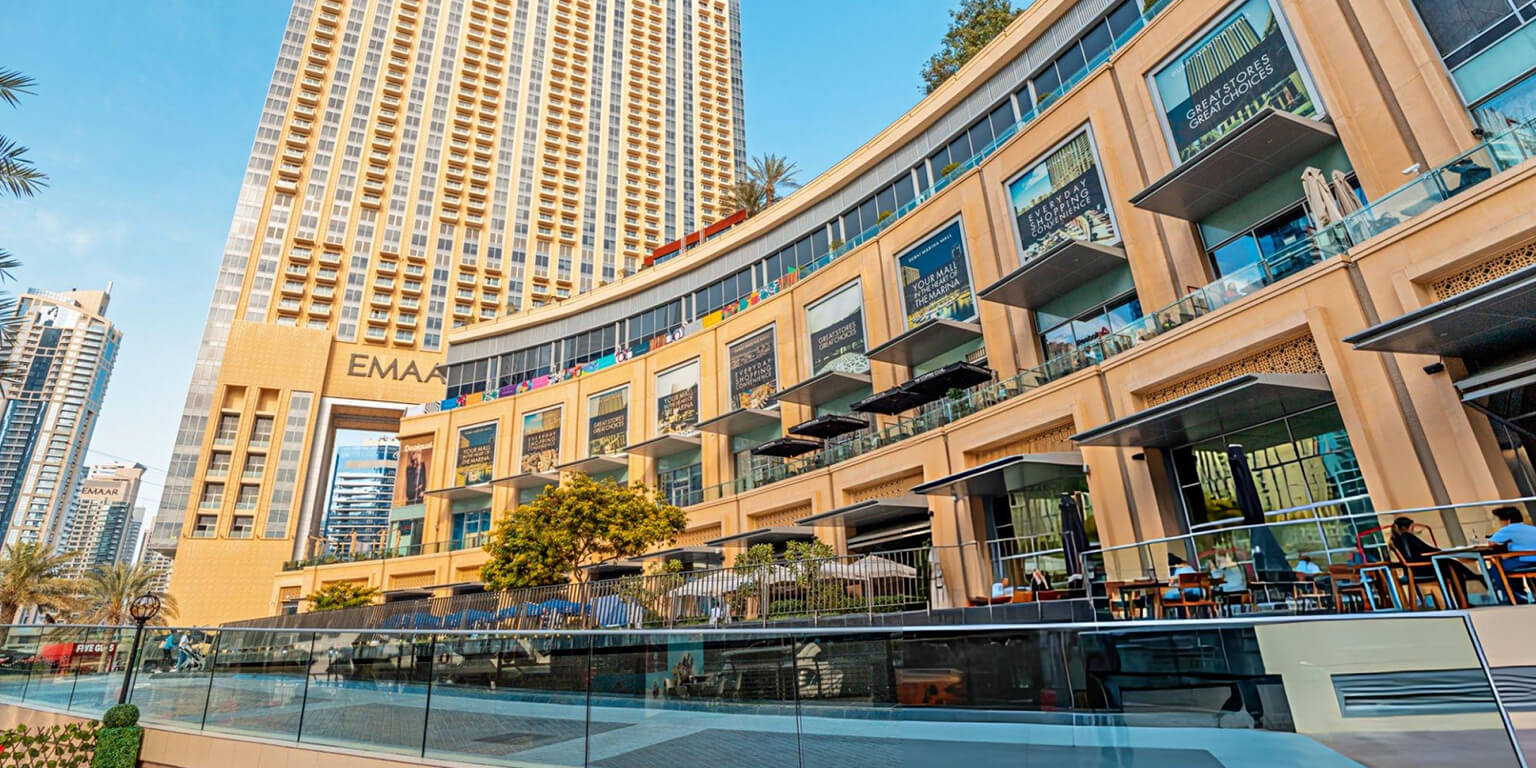
A shopping mall isn't an office building that can absorb a day of HVAC downtime without significant consequence. It's a high-footfall, multi-tenant operation that runs up to 16 or more hours a day, where every failure is visible, every breakdown inconveniences paying customers, and every complaint from a tenant has a direct line back to occupancy risk. The real cost of deferred maintenance in a mall context isn't just the repair bill. It's everything around it.
Why Malls Are Different From Other Commercial Properties
In Dubai's retail sector, prime assets report occupancy rates that can average 98%, and maintaining this performance, particularly when super-regional mall rents can reach AED 2,000 per square foot, depends on proactive upkeep that prevents failures.
That's a lot riding on a maintenance strategy.
And the operating environment here makes it harder than most. The UAE's climate, high ambient temperatures, humidity cycles, and significant dust loading place extreme stress on HVAC systems and accelerate the degradation of mechanical and electrical components. A cable or fitting that lasts two decades in a temperate climate is under far more stress in Dubai. So is an AC unit running continuously through six months of intense summer heat.
Most retail malls operate long hours, sometimes 16-plus hours daily, which puts immense pressure on HVAC systems, escalators, and cleaning teams. Scheduling maintenance without disrupting business becomes a major challenge. Major works, system overhauls, and noisy tasks are generally restricted to overnight windows between midnight and 8am. That's a narrow margin to work within, and it demands a maintenance team that plans precisely, not one that shows up when things break.
The Real Cost of Reactive Maintenance in a Retail Environment
Here's what most budget conversations underestimate.
In a reactive model, the bill rarely stops at the repair itself. Malls also absorb call-out premiums, after-hours attendance, emergency permits, management time, tenant complaints, and follow-on damage if the first fault affects finishes or nearby services. In Dubai's climate, a single HVAC or drainage failure can also create comfort, odour, or hygiene issues quickly, especially in food and fashion zones.
An unplanned chiller failure during peak summer hours can incur costs in emergency repairs and business disruption that exceed the entire annual preventive maintenance budget for that same asset.
Read that again. One failure. One incident. More than a year's preventive budget.
And the cost doesn't stop at the financial line. A single escalator breakdown during peak hours can cause significant congestion, introduce safety hazards, and negatively impact the visitor experience. A plumbing failure or non-functional fixture in washrooms is not a minor issue; it is a direct cause of customer and tenant complaints.
Tenants in Dubai's retail market have expectations closer to hospitality than conventional commercial property. When those expectations aren't met consistently, renewal conversations become harder.
What Preventive Maintenance Actually Protects in a Mall
Let's be specific about the asset categories that carry the most operational risk.
HVAC and Chiller Systems
This is the highest-stakes system in any Dubai shopping centre. Cooling isn't a comfort feature here. It's what keeps the building occupiable. A partial chiller failure in July can render entire sections of a mall uninhabitable within minutes, which means immediate tenant revenue loss and significant operational disruption.
Preventive HVAC maintenance involves regular coil cleaning, filter replacement, refrigerant checks, drive servicing, and performance testing calibrated to seasonal load. None of it is complicated in isolation. But skipping any of it during a high-load summer period turns a manageable service call into an emergency.
Electrical Infrastructure
Electrical faults in a mall don't just cause inconvenience. They carry fire risk, safety risk, and the potential for wide-area disruption affecting multiple tenants simultaneously. Regular thermographic inspections can identify hotspots in distribution boards and cable joints before they develop into active problems. It's one of the clearest examples of preventive maintenance paying for itself.
We include electrical services as a core component of every facility maintenance programme we manage, including thermographic inspection as a standard scheduled activity rather than an optional add-on.
Plumbing and Drainage
Drainage issues in a mall don't stay contained. A blocked system or failed fitting in a food court affects multiple tenants, creates hygiene problems, and generates complaints fast. Scheduled plumbing inspections, drain clearing, and water system checks are straightforward when planned. When they're reactive, the access requirements alone cause disruption.
Our plumbing services team works within the operational constraints of retail environments, including overnight scheduling for any work that would affect trading hours.
Vertical Transportation and Building Fabric
Escalators and elevators require manufacturer-aligned preventive schedules and daily operational checks. For vertical transportation, SLA benchmarks in well-managed retail assets typically mandate a minimum uptime of 99.5% or higher during operational hours, because any downtime directly impacts visitor flow, accessibility, and tenant revenue.
Flooring, fixtures, and façade elements also need planned attention. The constant abrasion from heavy daily footfall accelerates wear in ways that aren't always obvious until the damage becomes expensive.
Compliance: The Regulatory Dimension Most Operators Underestimate
Preventive maintenance isn't only about asset performance. In Dubai, it's also a compliance function.
Both Dubai Municipality and Dubai Civil Defence set mandatory standards for commercial properties. Dubai Municipality requirements cover sanitation, ventilation, water quality, and structural safety. DCD requirements govern fire detection systems, suppression equipment, and emergency infrastructure. Non-compliance with either body can result in financial penalties or, in serious cases, operational shutdowns.
Proactive management ensures continuous compliance with DM and DCD regulations. The FM provider must maintain a meticulous digital and physical archive of all certificates, inspection reports, and maintenance logs, and the operational framework should be audit-ready at all times.
Water tank cleaning certificates are required by DM on a semi-annual basis. Fire system servicing records require quarterly and annual documentation from a DCD-approved contractor. If those records aren't current and accessible, the gap isn't just an administrative inconvenience. It's an active risk exposure.
You can read more about what PPM maintenance involves in Dubai and how it maps to these compliance requirements in our dedicated guide.
Structuring Preventive Maintenance for a Mall: The AMC Approach
In most cases, the most practical delivery model for mall preventive maintenance is a facility Annual Maintenance Contract. An AMC structures the full scope of planned maintenance activities, defines response time commitments for reactive work, and provides the documentation trail needed for regulatory compliance, all under a single managed contract.
A comprehensive AMC, despite its higher upfront cost, incentivises the provider to invest in high-quality preventive work to protect their own profit margin. It transforms the contract from a simple expense into a tool for asset protection and operational stability.
A well-structured AMC for a mall should cover, at minimum:
- HVAC and chiller maintenance with seasonal servicing schedules
- Electrical preventive maintenance including thermographic inspection
- Plumbing and drainage scheduled inspections
- Fire and life safety system servicing to DCD standards
- Water tank cleaning and water quality certification
- CCTV and security system checks
- Pest control on a defined programme
- Gate, barrier, and access control maintenance
The ISO 41001 standard for facility management provides a recognised framework for structuring FM systems and processes, including the kind of planned maintenance regimes that mall operations depend on.
Our facilities management service in Dubai covers all of these areas across residential, commercial, and mixed-use retail properties. With 50-plus certified technicians, 20-plus years of experience across Dubai, and 24/7 emergency support, we're structured to manage the full operational rhythm of a retail environment, not just the straightforward jobs.
For shopping centres and retail properties specifically, we also offer a dedicated facility AMC and an AMC for retail shops designed around the operating demands of commercial retail spaces.
Get in Touch About Your Mall's Maintenance Programme
Whether you're reviewing an existing FM contract or building a preventive maintenance programme from scratch, the structure and scope of that programme will have a direct impact on operating costs, tenant relationships, and compliance standing.
If you'd like to understand how we approach facility maintenance for shopping malls and retail properties, we're happy to assess your property and recommend the right programme. Contact the GeeM team to start the conversation.
FAQ
.svg)
Preventive maintenance protects the high-value assets that shopping centres depend on: HVAC, electrical infrastructure, plumbing, vertical transportation, and fire safety systems. In a high-footfall retail environment, equipment failures don't just cost money to fix. They disrupt tenant operations, damage the visitor experience, and can create compliance issues with Dubai Municipality and Dubai Civil Defence. A structured preventive programme reduces the frequency and severity of unplanned failures and converts unpredictable repair costs into budgeted, manageable expenses.
The most critical systems include the centralised HVAC and chiller plant, electrical distribution networks, plumbing and drainage infrastructure, escalators and lifts, fire detection and suppression systems, water tanks, CCTV and access control systems, and pest control programmes. Each requires scheduled attention at intervals defined by manufacturer recommendations and operational demand.
By identifying and addressing developing issues before they become failures, preventive maintenance avoids the compounding costs of reactive repairs: emergency call-out premiums, after-hours labour, expedited parts, follow-on damage, and the business disruption costs borne by tenants. In general terms, reactive repairs in commercial properties tend to cost significantly more per incident than equivalent planned maintenance work.
Dubai Municipality requires regular maintenance and certification for water tanks, ventilation systems, and sanitation infrastructure. Dubai Civil Defence mandates quarterly and annual servicing records for fire systems from approved contractors. Maintenance documentation must be current and accessible for inspection at any time. Non-compliance carries financial penalties and, in serious cases, can result in operational restrictions.
A facility Annual Maintenance Contract (AMC) is a structured service agreement that covers planned preventive maintenance across all building systems, alongside defined response times for reactive work and compliance documentation. For shopping malls, it provides a single managed framework for maintaining the full asset base, which reduces coordination complexity and ensures consistent service standards across all systems.
In most cases, HVAC systems in Dubai commercial properties require servicing every one to three months, depending on the system type, size, and load demands. Dubai's extreme heat and dust loading mean that coils, filters, and air-handling unit components degrade faster than in cooler climates, so servicing frequency is generally higher than international norms. Chiller plants serving large retail assets typically require more frequent inspection and specialist servicing given their operational criticality.
Yes, directly. Tenant satisfaction in retail environments is closely tied to the consistency of operational conditions: temperature comfort, working escalators and lifts, functional washrooms, clean common areas, and reliable power. Repeated failures in any of these areas erode tenant confidence in the asset management team and, over time, affect renewal decisions. A well-maintained mall is a more attractive environment for tenants and shoppers alike, which has a measurable effect on long-term occupancy performance.
Table of content
- Extreme Heat and Overworking
- Poor Maintenance and Dirty Filters
- Incorrect Sizing of AC Units
- Low Refrigerant Levels
Recent Posts

Download our App







© 2026 GeeM.
.svg)