Dubai Ramadan 2026: Full Timings, Key Dates & How to Prepare Your Home

Post Details
Ramadan 2026 in Dubai began on Wednesday, 18 February. Over the next 30 days, the rhythm of the city shifts. Schedules reverse, homes fill with family, and kitchens come alive long after midnight. Here is everything you need: the complete Suhoor and Iftar timetable for Dubai, plus a clear-eyed look at what the holy month demands from your property.
Ramadan 2026 Dubai timings are based on official UAE prayer calculations. This year, fasting hours span roughly 13 hours per day, starting before the Fajr call and ending at Maghrib, when the call to prayer signals Iftar. As the month progresses from late February into March, Suhoor gradually begins a little earlier each day and Iftar arrives a little later, reflecting the natural shift in sunrise and sunset.
If you are a homeowner or property owner in Dubai, this guide does double duty. It gives you accurate Dubai Ramadan timings 2026 at a glance, and it walks you through the one conversation most residents skip entirely, which is what the holy month actually does to your home infrastructure.
Ramadan 2026 Dubai: Start Date, End Date and Key Facts
When Does Ramadan 2026 Begin and End in Dubai?
Ramadan 2026 in the UAE officially began on the evening of Tuesday, 17 February 2026, following the confirmed sighting of the crescent moon. The first fast was observed on Wednesday, 18 February 2026. The holy month runs for 30 days, concluding on Thursday, 19 March 2026, with Eid Al Fitr celebrations expected to begin on the evening of 19 March, subject to moon sighting.
How Many Hours Will Muslims Fast in Dubai This Year?
Because Ramadan 2026 falls in late winter, fasting hours are among the shorter ones in the annual cycle. Muslims in Dubai will fast for approximately 13 hours per day, significantly less than the 15 or more hours observed during summer Ramadans. The fast begins at Imsak before Fajr and breaks at Maghrib. Timings shift by a few minutes each day as sunrise and sunset change throughout the month.
Complete Dubai Ramadan Timings 2026: Suhoor and Iftar Schedule
How to Read This Timetable
The table below shows all 30 days of Ramadan 2026. Suhoor (Imsak) is the time by which you must stop eating and drinking before the fast begins. Iftar (Maghrib) is when the fast breaks at sunset. All other daily prayer times are included for reference. These timings align with official UAE prayer calculations issued specifically for Dubai.
Note: Timings may vary by 1 to 2 minutes between Dubai and other emirates. Eastern emirates such as Fujairah record slightly earlier times, while western emirates including Abu Dhabi fall slightly later. Always confirm with your local mosque for the most precise schedule on any given day.
Source: UAE official Dubai Ramadan Calendar 2026. Times are specific to Dubai and may vary 1 to 3 minutes across other emirates. Verify with your local mosque for precise daily timings.
How Does Ramadan Change Daily Life in Dubai?
Working Hours, Mall Hours and Public Behaviour
During Ramadan, government and private sector working hours are officially reduced across the UAE. Many offices operate from 9 AM to 3 PM. Malls and restaurants typically extend evening hours well into the night to accommodate the post-Iftar social culture, with many venues staying open until 2 AM or later. Taraweeh prayers are held nightly at mosques after Isha and form a significant part of the Ramadan routine for Muslim residents across Dubai.
Non-Muslims in Dubai are expected to refrain from eating, drinking, and smoking in public during daylight fasting hours. This is not merely etiquette. It is a legal requirement. Dress conservatively and greet those observing the fast respectfully. "Ramadan Kareem" is always appreciated and welcomed throughout the holy month.
The Social Rhythm of Ramadan and What It Means for Your Home
Here is what many property owners overlook. Ramadan does not reduce the demands on your home. It reverses when those demands arrive. Suhoor preparation happens before 5 AM. Iftar gatherings run from shortly after 6 PM through to midnight. Extended family visits fill apartments and villas that may normally see light use. Your AC, kitchen plumbing, electrical load, and water pressure are all working on a different schedule and, in most cases, at higher sustained intensity than at any other point in the year.
Ramadan does not reduce pressure on home systems. It reverses the hours at which that pressure arrives.
Why Ramadan Is the Right Time to Check Your Home Systems
Your Kitchen Infrastructure Works Harder in Ramadan
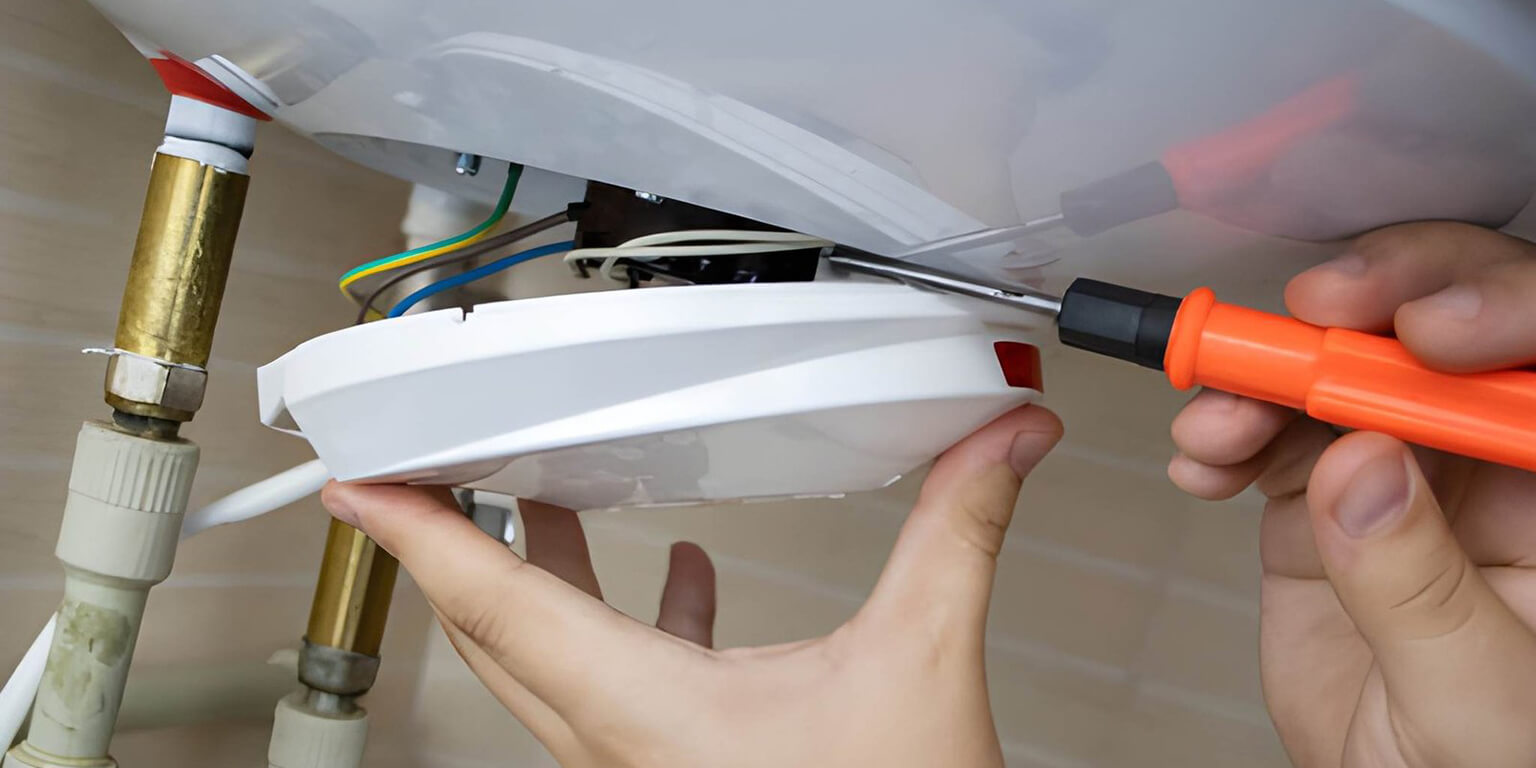
Two major meal cycles per day, Suhoor before dawn and a full Iftar spread at sunset, mean your kitchen sees more intensive use during Ramadan than at any other point in the year. Drainage systems take on sustained loads. Hot water demand spikes in the late evening and again before 5 AM. Minor plumbing issues that go unnoticed during regular routines, such as slow drains, a weeping fitting under the sink, or a water heater that takes too long to warm up, become active inconveniences during the holy month.
Our plumbing services in Dubai are available around the clock precisely because these issues do not observe business hours. A small intervention before Ramadan begins is almost always easier, faster, and less disruptive than an emergency call at midnight on the 15th of the month.
Late-Night Gatherings Mean More Demand on AC and Electrical Systems
Families gathering for Iftar and staying well into the night mean more bodies in the room, more cooking heat, and more devices drawing power simultaneously. According to regional estimates, around 60 to 70 percent of household electricity in Dubai is consumed by cooling systems alone. During Ramadan, that load does not decrease. It shifts later and often runs longer into the night than on any regular evening.
An AC system with a dirty filter, low refrigerant, or worn components does not fail gradually. It fails at the worst possible moment. Ensuring your climate systems are properly serviced before Ramadan is not precaution. It is standard operational logic. Our team provides AC repair in Dubai with same-day availability, because we understand what it means for a household to lose cooling during a full Iftar gathering.
Is Your Property Ready for Ramadan 2026?
What Home Systems Should I Check Before Ramadan?
The systems you rely on most, at hours you are least prepared to deal with a failure. Practically, that means your AC units including filters, refrigerant levels, and drain lines. It means your kitchen plumbing, covering under-sink connections, drainage, and the water heater. And it means your electrical panel, particularly if your home regularly runs a high overnight load. A pre-Ramadan walkthrough by a qualified home maintenance company in Dubai takes less than a morning and protects the entire month.
Should I Book AC or Plumbing Service During Ramadan?
Yes, and we are available throughout the month. Many residents assume service companies operate reduced hours during Ramadan. We do not. Emergency 24/7 AC repair in Dubai is available throughout the holy month, as is emergency plumbing support. Booking proactively before Ramadan begins gives you better scheduling flexibility, no disruption to your Iftar routine, and time to resolve anything that needs attention before your first guests arrive.
Does Ramadan Affect Property Maintenance Schedules?
It can, if you are unprepared. Coordinating property access, arranging technician visits around prayer times, and managing work in a household running on a reversed schedule all require a maintenance partner who understands the rhythm of Ramadan. Our teams are experienced in scheduling work thoughtfully during the holy month, and our annual maintenance contracts in Dubai ensure that scheduled visits happen on your terms, not ours.
How GeeM Keeps Dubai Homes Running Through the Holy Month
24/7 Emergency Cover When You Need It Most
Your AC does not fail on a quiet Tuesday morning. It fails the evening you have twenty people arriving for Iftar. That is the nature of home systems under sustained load, and it is precisely why 24/7 emergency home maintenance in Dubai is not a luxury. It is infrastructure.
Whether it is an AC fault during Suhoor preparation or a plumbing issue discovered mid-Iftar, our response times are built around real-life urgency, not office hours.
The Peace-of-Mind Case for an Annual Maintenance Contract
Ramadan makes one thing very clear to property owners: reactive maintenance is expensive, and it is always poorly timed. An annual maintenance contract in Dubai replaces that anxiety with a structured, proactive schedule. AC serviced before demand peaks. Plumbing inspected before intensive use begins. Electrical systems assessed before overnight load increases. Everything handled. Everything documented.
For villa owners, our villa AMC covers the full range of systems that make a large property liveable throughout the year. For apartment residents, our apartment maintenance contracts in Dubai offer the same level of proactive coverage scaled to your property type.
Final Thoughts
Ramadan 2026 in Dubai runs from 18 February to 19 March. Fasting hours average approximately 13 hours per day, with Suhoor beginning between 4:57 AM and 5:24 AM and Iftar arriving between 6:18 PM and 6:33 PM depending on the day. The holy month is a time of spiritual focus, community, and generosity, and the last thing any household needs is a home system failure disrupting that experience.
The properties that navigate Ramadan without stress are the ones that were prepared before it began. A properly serviced AC that runs quietly through late-night gatherings. Plumbing that handles peak kitchen loads without incident. Electrical systems stable enough for an extended family under one roof. That is the standard we work to every month, not just this one.
To schedule a pre-Ramadan home inspection or to discuss an annual maintenance contract in Dubai, contact us today on 800 4336 or visit geem.com. Ramadan Kareem.
Frequently Asked Questions About Ramadan 2026 in Dubai
.svg)
Iftar time in Dubai during Ramadan 2026 falls at Maghrib prayer, which begins at 6:18 PM on the first day of fasting and gradually moves later throughout the month, reaching 6:33 PM by the final day on 19 March 2026. The exact time for each day is listed in the full timetable above. Iftar officially begins the moment the Maghrib call to prayer is heard, signalling that the day's fast has been completed. It is always recommended to confirm the exact timing through your local mosque or an official UAE prayer time app, as minor adjustments of one to two minutes may apply depending on your specific location within Dubai.
Suhoor ends at Imsak, which is the time by which all eating and drinking must stop before the fast begins. In Dubai during Ramadan 2026, Imsak starts at 5:24 AM on the first day of fasting and moves progressively earlier as the month progresses, reaching 4:57 AM by Day 30 on 19 March. Imsak is set a few minutes before the Fajr prayer call to give a clear buffer before the fast officially begins. For those who prefer additional caution, stopping eating a few minutes before Imsak is a widely followed practice among residents in Dubai and across the UAE.
Yes. Professional home maintenance services in Dubai operate throughout Ramadan, including emergency call-outs for AC breakdowns, plumbing faults, and electrical issues. Reliable maintenance companies maintain 24/7 availability during the holy month precisely because household demands shift rather than reduce. Iftar gatherings, late-night social events, and early Suhoor preparation all place continued and sometimes increased load on home systems. Booking a pre-Ramadan inspection is the most efficient approach, as it prevents disruption during the month itself. If an issue does arise unexpectedly, prompt emergency service remains available across all 30 days of Ramadan.
Muslims in Dubai will fast for approximately 13 hours per day during Ramadan 2026. This is because Ramadan this year falls in late February and March, when daylight hours are shorter compared to the summer months. On the first day of fasting, 18 February, the fast runs from around 5:24 AM at Imsak to 6:18 PM at Maghrib, covering roughly 13 hours. By the final day on 19 March, fasting spans from 4:57 AM to 6:33 PM, approximately 13.5 hours. This makes Ramadan 2026 one of the shorter fasting periods in the current annual cycle, with significantly fewer hours than summer Ramadans which can exceed 15 hours of fasting per day.
Non-Muslims in Dubai are required by law to refrain from eating, drinking, and smoking in public spaces during daylight fasting hours throughout Ramadan. This applies to streets, public transport, shopping areas, and open spaces. Most restaurants and cafes either close during the day or operate from screened-off areas designated for non-fasting individuals. Dress code expectations are also more conservative during the holy month, with shoulders and knees covered in public being the standard recommendation for both men and women. Playing loud music in public is discouraged, and overall behaviour is expected to reflect awareness and respect for those who are fasting. Non-Muslims are warmly welcome to participate in the spirit of the month by attending Iftar gatherings and engaging respectfully with the wider community throughout Ramadan.
Table of content
- Extreme Heat and Overworking
- Poor Maintenance and Dirty Filters
- Incorrect Sizing of AC Units
- Low Refrigerant Levels
Recent Posts

Download our App







© 2026 GeeM.
.svg)